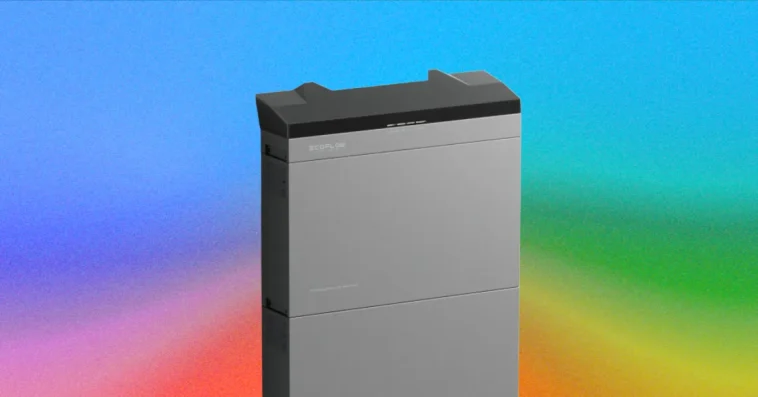
Unlocking Energy Independence: The Strategic Imperative of Home Batteries
Amidst the volatility of global energy markets and the relentless ascent of electricity costs, the home battery has transcended from a niche luxury to a strategic imperative for modern households. These sophisticated energy storage systems offer homeowners unprecedented control over their power consumption, allowing them to harness excess solar generation or strategically purchase electricity during off-peak hours for later use when rates are at their premium. While the rapidly expanding market can appear daunting, understanding the core principles and critical considerations is key to unlocking long-term energy resilience and significant cost savings.
As a senior tech journalist deeply immersed in this transformative sector, my extensive research, detailed discussions with current users, and personal experience with a home battery installation have illuminated the path forward for prospective adopters. The insights gathered are invaluable for anyone looking to navigate this burgeoning landscape and secure their energy future.
The Compelling Case for Home Battery Integration
The motivations for investing in a home battery system are multifaceted, converging on themes of economic advantage, environmental stewardship, and enhanced security. These benefits are often synergistic, amplifying the overall value proposition.
Storing surplus energy from rooftop solar panels is a primary driver, maximizing the return on investment for renewable installations by preventing valuable electricity from being sold back to the grid at suboptimal rates. Beyond solar, home batteries empower consumers to capitalize on time-of-use tariffs, purchasing energy when it’s cheapest and discharging it during peak pricing periods, leading to substantial savings on monthly utility bills. For those seeking true autonomy, a well-sized battery system is fundamental to achieving off-grid living, completely decoupling from centralized utility infrastructure. Crucially, home batteries provide an essential safeguard against power outages, offering peace of mind and uninterrupted essential services during grid disruptions.
Furthermore, the proliferation of residential energy storage is a profound benefit for the broader electrical grid. By acting as distributed energy resources, home batteries can perform vital grid-balancing functions such as peak shaving and frequency regulation, absorbing excess renewable generation and releasing it when demand is high. This capability is critical for integrating intermittent renewable sources like solar and wind more effectively, fostering a more stable, efficient, and sustainable national energy infrastructure.
Deconstructing Home Battery Technology
At its core, a home battery functions as a robust power bank for your entire residence. While traditional lithium-ion technology is prevalent in portable electronics, stationary home batteries overwhelmingly favor lithium iron phosphate (LFP or LiFePO₄) chemistries. LFP batteries offer superior safety, enhanced durability, and a significantly lower propensity for thermal runaway events, making them a more secure and reliable choice for large-scale residential applications.
Emerging chemistries, such as sodium-ion (Na-ion) batteries, are also gaining traction. Na-ion technology promises lower material costs, a reduced environmental footprint due to the abundance of sodium, and potentially better performance in colder climates. However, current iterations often present trade-offs in terms of physical size and cycle life compared to LFP. The automotive sector, particularly the rapid advancement in electric vehicles (EVs), is a powerful catalyst for battery innovation. This includes the exploration of vehicle-to-grid (V2G) and vehicle-to-home (V2H) technologies, which could theoretically allow EV batteries to serve as temporary home storage, although practical considerations like vehicle availability and battery degradation remain. Looking ahead, solid-state batteries, currently a holy grail in battery research, offer the promise of even higher energy density, improved safety without liquid electrolytes, and extended lifespans, likely revolutionizing both EV and stationary storage within the coming decade.
Most modern home battery systems are designed with modularity in mind, enabling homeowners to scale capacity according to their evolving needs. These systems invariably require an inverter to convert the direct current (DC) power stored in the battery cells into the alternating current (AC) power utilized by household appliances. For homes with or planning solar installations, a hybrid inverter is an indispensable component, capable of seamlessly managing and converting power flow from both solar panels and the battery, optimizing energy utilization and storage.
Inverter power ratings, measured in kilowatts (kW), are crucial as they dictate the maximum amount of power the system can deliver at any given moment. A 3.6 kW inverter may suffice for modest households with typical loads, but it imposes a continuous draw limit. Households with high-demand appliances, such as electric vehicle chargers, heat pumps, or multiple large electrical loads operating concurrently, will require an inverter with a higher continuous output, typically 5 kW or more, potentially ranging up to 10 kW for larger homes and more extensive battery banks, to avoid tripping circuits or experiencing performance limitations.
Key Considerations for Prospective Buyers
Navigating the home battery market requires a careful evaluation of several critical technical specifications to ensure the chosen system aligns with your specific energy goals and budget.
- Capacity (kWh): Measured in kilowatt-hours, this metric indicates the total amount of energy the battery can store. It directly correlates with how long your home can run on battery power.
- Power Output (kW): Expressed in kilowatts, this specifies the maximum rate at which the battery and its accompanying inverter can deliver energy. This is vital for simultaneously powering multiple or high-demand appliances.
- Depth of Discharge (DoD): This percentage signifies how much of the battery’s total capacity can be safely utilized without compromising its long-term health and lifespan. A higher DoD means more usable energy, but repeatedly exceeding recommended limits can shorten the battery’s life.
- Efficiency: Represented as a percentage, efficiency measures the ratio of usable energy extracted from the battery to the energy initially put into it. Energy is inherently lost during charging and discharging cycles, so higher efficiency translates to greater real-world savings and performance.
- Warranty: This critical document provides a guarantee of minimum performance over a specified period or number of charging cycles. Manufacturers often stipulate both years and cycles (e.g., 15 years or 6,000 cycles, whichever comes first) and guarantee a certain percentage of original capacity retention (e.g., 70 percent). A thorough review of warranty terms is essential for understanding expected degradation and long-term investment protection.
Beyond these core metrics, consider factors such as the system’s physical footprint, its operating temperature range, and its integration capabilities with existing smart home ecosystems or energy management platforms for optimized control and monitoring.
Sizing Your Home Battery System
Determining the ideal home battery capacity is a nuanced exercise, heavily dependent on your intended use case. For homeowners primarily concerned with safeguarding against power outages or living entirely off-grid, a comprehensive energy audit is paramount. This involves meticulously calculating both your average daily energy consumption (kWh) and your peak instantaneous power demand (kW) to ensure the system can adequately supply all essential loads. Failure to match the inverter’s power output to your peak demand could mean certain high-draw appliances cannot operate simultaneously.
For individuals like myself, whose primary goal is to leverage time-of-use tariffs by purchasing electricity at lower rates for later consumption, any added battery capacity offers a benefit. However, maximizing financial returns often means aligning battery capacity with the duration of your off-peak rate window. For instance, if you have a six-hour overnight cheap rate, the ideal scenario is to store enough energy to cover your consumption for the subsequent 18 hours. Given the significant upfront installation costs associated with home battery systems, a strategic decision to acquire as much capacity as feasible from the outset is often economically advantageous. While modular systems allow for future expansion, adding components later may incur additional professional installation fees and potentially impact existing warranties.
Regulatory Landscape and Installation Requirements
The integration of a home battery system into your existing electrical infrastructure necessitates careful planning and adherence to local regulations. The battery unit will connect directly to your main electrical panel via dedicated cabling. Depending on your current setup, this may require upgrades to your existing service, such as the installation of a secondary breaker box to accommodate the new circuits.
Beyond physical installation, regulatory approval is often a prerequisite. Many jurisdictions require permission from your electric distribution utility or local distribution company for grid-tied energy storage systems. For example, in Scotland, network operators must approve inverter installations. While smaller systems (e.g., up to 3.6 kW) may permit installation with subsequent notification, larger inverters typically demand prior approval. Homeowners should always consult with qualified electricians and their local utility provider early in the planning process to understand all necessary permits, approvals, and interconnection agreements. Navigating these requirements ensures compliance, maintains safety standards, and preserves the validity of warranties and potential grid service incentives.
#TrendingNow #Innovation #FutureIsNow #TechRevolution #AI #GamingCommunity #DigitalLife #SpaceExploration #HealthyLiving #Mindfulness #TravelGoals #SustainableFuture
Artificial Intelligence, Cloud, Cybersecurity