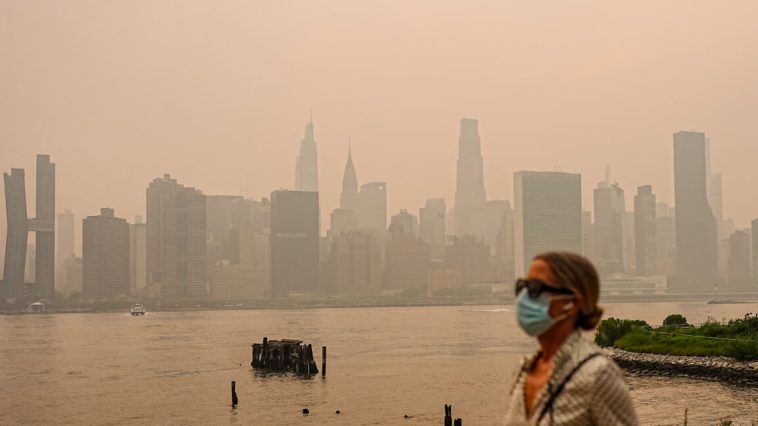
The Shifting Sands of Air Quality: From Industrial Smog to Wildfire Blight
Decades ago, a prescient warning echoed through the highest echelons of power. In 1965, a presidential advisory panel issued a seminal report, unequivocally stating that widespread chemical and carbon pollution posed grave threats to environmental health and was actively altering the global climate. This critical foresight paved the way for landmark legislation, culminating in President Richard Nixon’s signing of the Clean Air Act five years later.
A Legacy of Environmental Stewardship
The Clean Air Act of 1970, alongside its subsequent amendments, stands as a testament to effective environmental policy. This foundational law spurred a monumental effort to curb industrial and vehicular emissions, yielding remarkable results. Since its enactment, combined emissions of a half-dozen key harmful air pollutants have plummeted by nearly 80 percent, dramatically improving air quality across the nation and safeguarding public health. These legislative victories showcased the profound impact that strategic regulation can have on mitigating pervasive environmental challenges.
The Unforeseen Threat: Wildfire Smoke
Yet, as often happens with progress, new challenges emerge to test our resolve. Mounting evidence now indicates that the burgeoning crisis of wildfire smoke is rapidly eclipsing these hard-won air-quality gains. The unchecked combustion of fossil fuels continues to drive a warming planet, creating drier, more volatile conditions that fuel increasingly intense and destructive wildfires. These conflagrations not only devastate ecosystems but also blanket vast communities in toxic smoke, a pollutant proven to be significantly more harmful than traditional industrial and vehicular emissions.
Future Implications and the Path Forward
This alarming trend underscores a critical paradox: our historical successes in curbing conventional pollution are being undermined by a climate crisis that amplifies a new, formidable air quality threat. The pervasive nature of wildfire smoke demands innovative and integrated approaches, transcending traditional air pollution controls. Future strategies must prioritize aggressive decarbonization efforts, alongside enhanced forest management, early detection systems, and community resilience programs. The health and economic well-being of populations increasingly depend on our ability to adapt and confront this evolving environmental landscape head-on, ensuring that the legacy of clean air endures.
#SocialMediaTips #DigitalMarketing #ContentCreation #TrendingNow #MarketingStrategy #EngagementBoost #SEO #AudienceGrowth #ViralContent #InstaTips #FacebookMarketing #LinkedInGrowth
Artificial Intelligence, Cloud, Cybersecurity