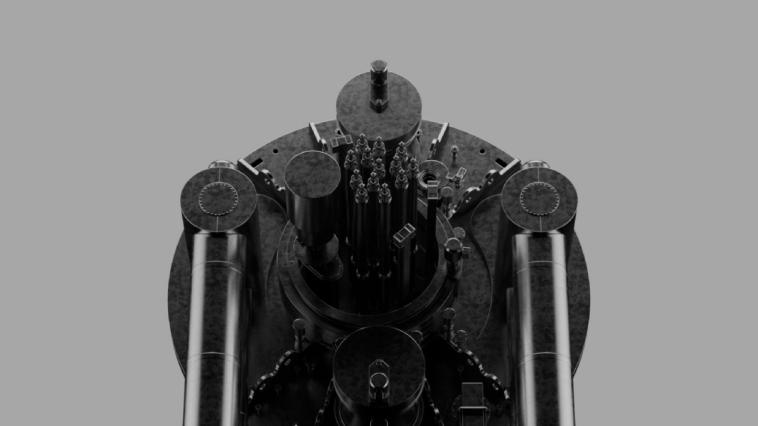
Nuclear Power Emerges as a Critical Solution for AI’s Insatiable Energy Demands
The artificial intelligence revolution, while transformative, is creating an unprecedented energy crisis for data centers worldwide. These power-hungry facilities, the backbone of AI operations, demand not just vast quantities of electricity, but a level of consistent, always-on power that traditional grids struggle to provide. In response, a new generation of nuclear power startups is stepping forward, pitching their advanced reactors as the definitive antidote.
TerraPower Leads the Charge with Innovative Solutions
Among the frontrunners is TerraPower, the Bill Gates-founded nuclear innovation company, which is poised to announce its inaugural data center project this year. This strategic move follows a significant agreement in January where Meta committed to procuring energy from up to eight of TerraPower’s groundbreaking Natrium power plants. The initial data center project, slated to break ground in 2027, will mark TerraPower’s second plant, building on the momentum of its first facility already under construction in Kemmerer, Wyoming. This demonstrates a clear industry signal: nuclear power is no longer just an alternative but a vital component of the future energy landscape for hyperscale computing.
The AI Energy Conundrum: Volatile Loads and Grid Strain
AI workloads, particularly during intensive training phases or rapid inference, are characterized by wildly fluctuating power demands. These dramatic spikes and troughs are placing immense strain on existing electrical infrastructure, even leading to equipment failures in conventional power sources like natural gas turbines. The sheer scale of demand is staggering; a single large data center can consume as much electricity as 50,000 homes, with some AI campuses projected to rival the power consumption of major cities. This volatility necessitates expensive, large-scale battery storage solutions for data centers to smooth out power curves and maintain operational integrity.
Overcoming Traditional Nuclear Limitations
While nuclear reactors boast an impressive capacity factor, operating at maximum power more than 90% of the time, traditional designs are inherently inflexible. They are slow to ramp up or down, typically adjusting output by only about 5% per minute. Even newer small modular reactors (SMRs), while faster at around 10% per minute, face economic hurdles. Running at reduced capacity is financially suboptimal for nuclear plants, which are burdened by the highest capital expenditures among all generation technologies. The promise of mass-manufactured SMRs to lower costs remains a long-term aspiration, making continuous, full-capacity operation crucial for early deployments.
TerraPower’s Natrium Reactor: A Paradigm Shift in Flexibility
TerraPower’s 345-megawatt (MWe) Natrium reactor, a sodium fast reactor coupled with an advanced molten salt energy storage system, directly addresses these critical challenges. The innovation lies in its ability to decouple the continuous operation of the nuclear reactor from the variable demands of the grid or data center. Instead of altering the reactor’s power output, excess heat generated during periods of low demand is efficiently stored in a large reservoir of molten sodium.
When power demand surges, this stored thermal energy can be rapidly tapped to generate additional steam, spinning the turbines and boosting electricity output to as much as 500 MWe for over five hours. This ingenious mechanism allows the reactor to consistently operate at its optimal, full-power state, maximizing efficiency and amortizing capital investments over more operational hours.
Future Implications and Market Outlook
The Natrium reactor’s molten salt storage capability offers unprecedented operational flexibility, making it an ideal partner for highly intermittent loads like those found in AI data centers, and equally adept at complementing variable renewable energy sources like wind and solar. This approach not only provides the reliable, carbon-free baseload power essential for AI but also offers the rapid dispatchability needed to manage the extreme fluctuations in demand.
TerraPower’s pioneering strategy, backed by significant investments from tech giants like Meta, signals a pivotal shift in how the world approaches sustainable and resilient energy for critical digital infrastructure. As the demand for AI continues its exponential growth, advanced nuclear solutions with integrated energy storage, such as the Natrium reactor, are poised to become indispensable in ensuring both grid stability and the uninterrupted evolution of artificial intelligence. This technological synergy not only secures the energy future for AI but also provides a blueprint for a more robust and decarbonized global energy landscape.
#TrendingNow #ExplorePage #ViralContent #InstaDaily #ReelsInstagram #TikTokFamous #MotivationMonday #TravelGram #FitnessJourney #FoodieAdventures #OOTD #TechTrends
Artificial Intelligence, Generative AI, Cloud