The Unprecedented Ascent: Navigating Space’s Golden Era Amidst a Hidden Crunch
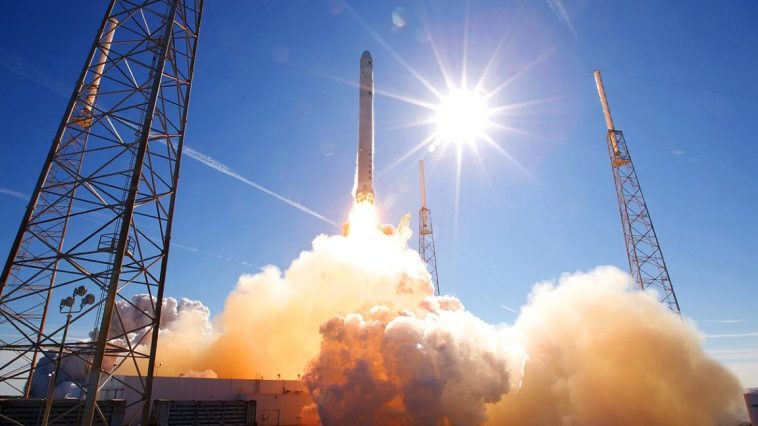
The current era should rightfully be celebrated as a golden age for orbital launches. Over the past three years, our planet has witnessed an astonishing average of 270 rockets ascending to space annually, marking a more than threefold increase compared to a mere decade ago. This remarkable surge is backed by compelling metrics: launch prices have never been more competitive, liftoffs are more frequent than ever, and access to the cosmos has become exceptionally rapid, democratizing space for a broader range of innovators and nations.
Unpacking the Paradox of Plenty
Despite this impressive boom, a curious and increasingly pressing paradox has emerged: a growing crunch in launch availability. While the sheer volume of missions has skyrocketed, the demand for specific orbital slots, optimal launch windows, and dedicated payload opportunities is outstripping the current capacity. This bottleneck is exacerbated by several factors, including the proliferation of massive satellite constellations requiring precise deployment schedules and the consolidation of launch services around a few dominant providers.
The consequence for many satellite operators, particularly those in the burgeoning “New Space” sector, is significant. Despite the overall increase in launch options, securing a timely and cost-effective ride can be challenging, leading to delays in mission timelines and hindering the speed-to-market crucial for innovative ventures. This dynamic creates a disparity where, on one hand, space access is abundant, yet on the other, tailored access remains a premium commodity.
Future Trajectories and Strategic Imperatives
Looking ahead, this paradoxical crunch necessitates strategic adjustments across the entire space ecosystem. We can anticipate an accelerated drive towards diversifying launch vehicles, with a greater emphasis on small and medium-lift rockets designed for dedicated missions or specific orbital planes. Innovation in launch infrastructure will also be paramount, including the development of new launch sites and more efficient ground operations to minimize turnaround times.
Furthermore, the industry will likely see a push for enhanced rideshare aggregation services, allowing multiple payloads to share a single launch more effectively, alongside sophisticated scheduling and logistics solutions. For policy makers and regulators, streamlining processes to enable more flexible and frequent launch operations will be key to sustaining growth. This golden era, while brimming with opportunity, demands foresight and adaptability to ensure that the promise of accessible space is fully realized for all.
#Innovation #Tech #AI #Future #Gaming #Science #Health #Fitness #Travel #Motivation #Art #Music
Artificial Intelligence, Cloud, Cybersecurity