# FBI Seeks Nationwide Real-Time License Plate Reader Network
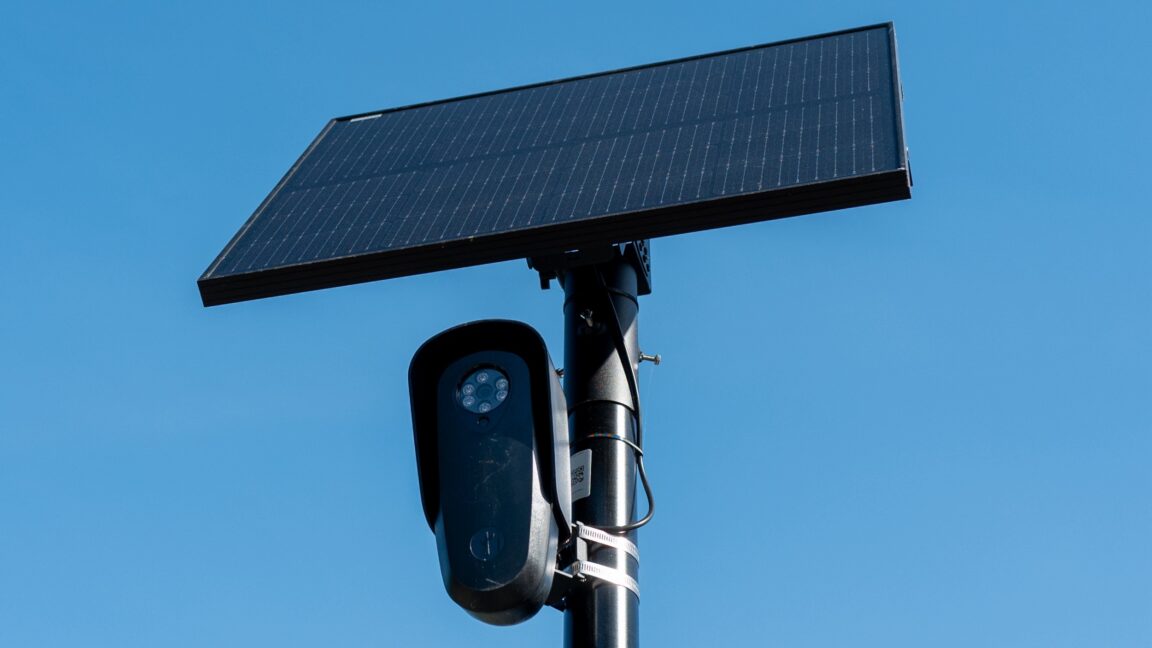
The Federal Bureau of Investigation has announced a significant strategic move, declaring its intention to procure nationwide access to a vast network of license plate readers (LPRs). This initiative marks a considerable expansion of federal surveillance capabilities, promising “near real-time” intelligence from cameras across the United States. The proposed contract falls under the purview of the FBI’s Directorate of Intelligence.
## The FBI’s Ambitious LPR Initiative
In a Request for Proposals (RFP) published on May 14, the FBI explicitly outlined its need for professional service firms. These firms must be capable of providing LPR data for “tracking subjects on roads and highways over the US and its territories” to effectively “evaluate and manage threats to personal safety, property, and law enforcement.” The RFP mandates that the selected vendor or vendors supply law enforcement and/or commercial license plate reader data via their existing platforms, requiring coverage for an impressive 75 percent of locations nationwide.
## Technical Specifications and Operational Scope
The technical specifications are robust, requiring the system to facilitate searches for license plate information alongside other critical descriptive data. This includes vehicle descriptions, specific time and date criteria, and precise geo-location information. Crucially, the FBI’s future system must deliver search result notifications and maintain the ability to access and query cameras across the entire United States and its territories, all while providing data in “near real time.” This capability signifies a powerful leap in potential investigative and intelligence-gathering operations.
## Broader Implications: Surveillance and Civil Liberties
This widespread implementation of LPR technology by a federal agency like the FBI raises profound questions regarding privacy and civil liberties. While the stated goal is to enhance national security and law enforcement capabilities, the pervasive nature of such a network could lead to concerns about mass surveillance and the potential for tracking ordinary citizens without specific suspicion. The balance between public safety and individual freedoms will undoubtedly become a focal point of public and legislative debate as this system rolls out.
## The Future of Law Enforcement Technology
The FBI’s pursuit of a national LPR network underscores a broader trend towards integrating sophisticated digital surveillance tools into law enforcement strategies. This move highlights a future where AI-driven analytics, vast datasets, and interconnected camera systems become standard, offering unprecedented capabilities for tracking and identifying individuals. As these technologies evolve, ensuring robust oversight, clear legal frameworks, and transparency will be paramount to maintaining public trust and safeguarding constitutional rights in an increasingly monitored society.
#SocialMediaTips #DigitalMarketing #ContentMarketing #MarketingStrategy #EngagementBoost #TrendingNow #ViralContent #InstaTips #GrowthHacking #OnlineMarketing #SocialMediaSuccess #MarketingTrends
Generative AI, Artificial Intelligence, Cloud