The Unprecedented Auction of Ferrari’s Electric Future
Monterey Car Week, a prestigious event synonymous with automotive excellence, recently witnessed a historic moment that sent ripples through the luxury car market. Ferrari’s inaugural electric vehicle, the Luce (VIN 0), designed by the celebrated Jony Ive, shattered all expectations at auction. Anticipated to fetch around $1.1 million, the white-on-white EV ultimately sold for a staggering $40 million to Florida billionaire Herbert Wertheim, an 87-year-old inventor and investor. This record-setting sale marks the highest price ever paid for a new car at auction.
The Ferrari Luce’s debut in May was met with considerable controversy, eliciting polarized reactions from long-time Ferrari enthusiasts, discerning customers, and even former company executives. This internal and external skepticism manifested in an 8 percent decline in Ferrari’s share price following the unveiling. The sale’s outcome, however, suggests a complex narrative emerging for luxury electric vehicles and the power of scarcity.
Despite the initial market apprehension and fervent debate surrounding Ferrari’s pivot towards electrification, Wertheim’s audacious purchase highlights a significant shift. It underscores the potential for ultra-luxury EVs to command extraordinary valuations, particularly when endowed with historical significance and limited-edition status. This transaction could redefine the perceived value and investment potential within the high-end electric automotive segment, signaling a robust future for exclusive, technologically advanced vehicles.
Herbert Wertheim: A Philanthropic Force with a Penchant for the Extraordinary
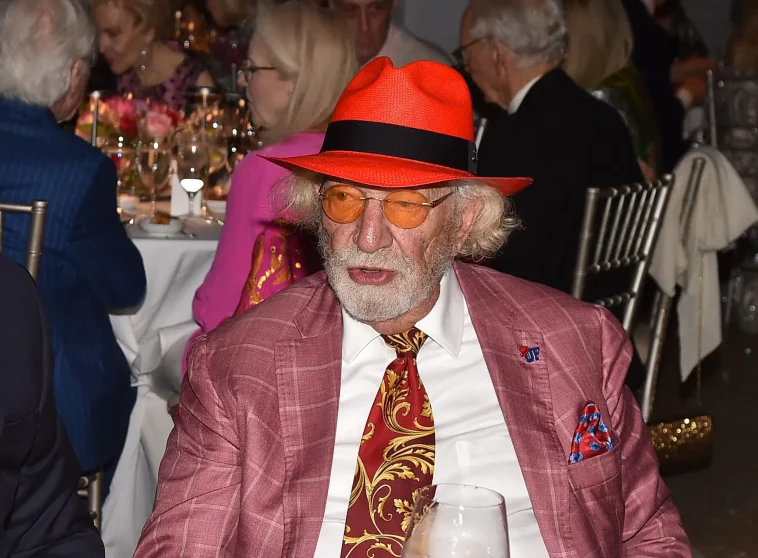
The billionaire at the center of this monumental transaction, Herbert Wertheim, is known for his distinctive personal style, reportedly favoring patterned loafers and a signature red fedora. His presence at high-profile events, including Mar-a-Lago where he reportedly has special permission to wear his hat indoors, speaks to a unique blend of entrepreneurship and social engagement. Such details paint a picture of a man unburdened by conventional expectations, even when making globally impactful purchases.
Wertheim’s readiness to invest such a substantial sum in the Ferrari Luce, particularly given the vehicle’s initial contentious reception, underscores not only his considerable wealth but also a keen eye for unique assets. His previous luxury car acquisitions for charitable causes demonstrate a consistent strategy of leveraging high-value purchases for philanthropic impact. This approach merges his personal interests with a broader commitment to giving back, a rare intersection in the world of ultra-high-net-worth individuals.
From Humble Beginnings to Billion-Dollar Visionary
Wertheim’s journey to immense wealth is a quintessential rags-to-riches narrative. Born in Miami in 1939 to German immigrant parents who owned a bakery, his early life was marked by hardship and resilience. After a challenging youth, he chose to join the Navy at 16, a pivotal decision that set the stage for his remarkable career.
During his military service, Wertheim immersed himself in the studies of electronics and medicine, laying the groundwork for a multidisciplinary expertise. Post-Navy, he contributed his skills to NASA before embarking on an entrepreneurial path that revolutionized ophthalmology. In 1969, he made a critical discovery regarding the detrimental effects of ultraviolet light on cataracts and retinal health, leading to the development of innovative colored lenses designed to mitigate these risks.
Wertheim holds numerous patents related to lens tints and chemical formulations, a testament to his inventive spirit. His company, Brain Power Inc., boasts hundreds more, solidifying his legacy as a prolific innovator. This foundation of scientific and technological advancement allowed him to strategically reinvest profits into public markets, significantly building his estimated $4.7 billion fortune. His substantial stake in aerospace parts manufacturer Heico, where he is the largest individual shareholder, exemplifies his astute investment acumen and long-term financial vision.
Strategic Philanthropy and the Intricate Dance of Tax Incentives
Beyond his business prowess, Herbert Wertheim is a prolific philanthropist. Through his family foundation, he has channeled millions of dollars into various charitable organizations and educational institutions. Notable beneficiaries include UC Berkeley’s School of Optometry, Florida State University, and the Baptist Health Foundation, reflecting a broad commitment to advancing health and education.
His charitable giving extends to unique, high-profile purchases at auction. The Ferrari Luce sale echoes a previous acquisition at RM Sotheby’s Monterey auction, where he paid $26 million for a Ferrari Daytona SP3, with proceeds also directed to charity. This year, the $40 million from the Luce auction is earmarked for the Ferrari Foundation, specifically supporting its M-TECH Alfredo Ferrari educational center in Maranello, Italy, alongside ongoing educational initiatives in the U.S. This strategic use of high-value auctions not only supports noble causes but also leverages the visibility of such events.
These significant charitable contributions also carry potential tax benefits for Wertheim. Given that the Luce sold for over 35 times its approximate $630,000 MSRP, he may be eligible to deduct a substantial portion of the amount paid above the car’s fair-market value. The IRS typically classifies such transactions at charity auctions as “quid pro quo contributions,” allowing for deductions on the portion exceeding the goods or services received. While immediate deductions may be subject to limits based on adjusted gross income (often up to 60 percent), unused deductions can typically be carried forward for up to five years, providing a substantial, long-term financial incentive for his generosity. The specific tax implications for Ferrari, depending on how it structured the donation of VIN 0, remain less clear but could also be significant.
The Road Ahead: What This Sale Means for Luxury EVs and High-Stakes Philanthropy
Herbert Wertheim’s acquisition of the Ferrari Luce is more than just a record-breaking car sale; it’s a potent symbol of evolving trends at the intersection of luxury, technology, and philanthropy. It signals a critical inflection point for the perception and valuation of electric vehicles within the ultra-luxury segment. While the initial market reaction to Ferrari’s EV venture was mixed, this unprecedented auction result could galvanize other high-end automakers to accelerate their electrification efforts, confident in the market’s capacity for extraordinary investment.
Furthermore, this event highlights a sophisticated model of philanthropic giving that strategically employs high-value asset acquisitions. Wertheim’s approach showcases how individuals of immense wealth can merge personal passions with significant charitable impact, often with the added benefit of substantial tax incentives. This method not only provides critical funding for educational and charitable causes but also generates considerable public attention for both the donor and the beneficiaries. The implications for luxury EV manufacturers, high-net-worth individuals, and charitable foundations will undoubtedly resonate for years to come, shaping future strategies in innovation, investment, and giving.
#TrendingNow #DailyInspiration #MotivationMonday #TechGadgets #TravelAdventures #FoodieLife #FitnessJourney #ArtLovers #SustainableLiving #Bookworms #FashionStyle #PetsofInstagram
Artificial Intelligence, Cloud, Generative AI