
# Apple’s Unavoidable Price Hikes Signal a New Era of “Memflation” in Consumer Tech
Cupertino, CA — In a move reverberating across the technology landscape, Apple today announced significant price increases across a substantial portion of its product catalog. The adjustments, impacting popular Mac and iPad lines, reflect a deepening crisis within the semiconductor market, specifically driven by surging memory costs. This development underscores a pivotal shift in consumer electronics pricing, where foundational component expenses are increasingly dictating end-user costs.
## The Escalation of Apple Product Costs
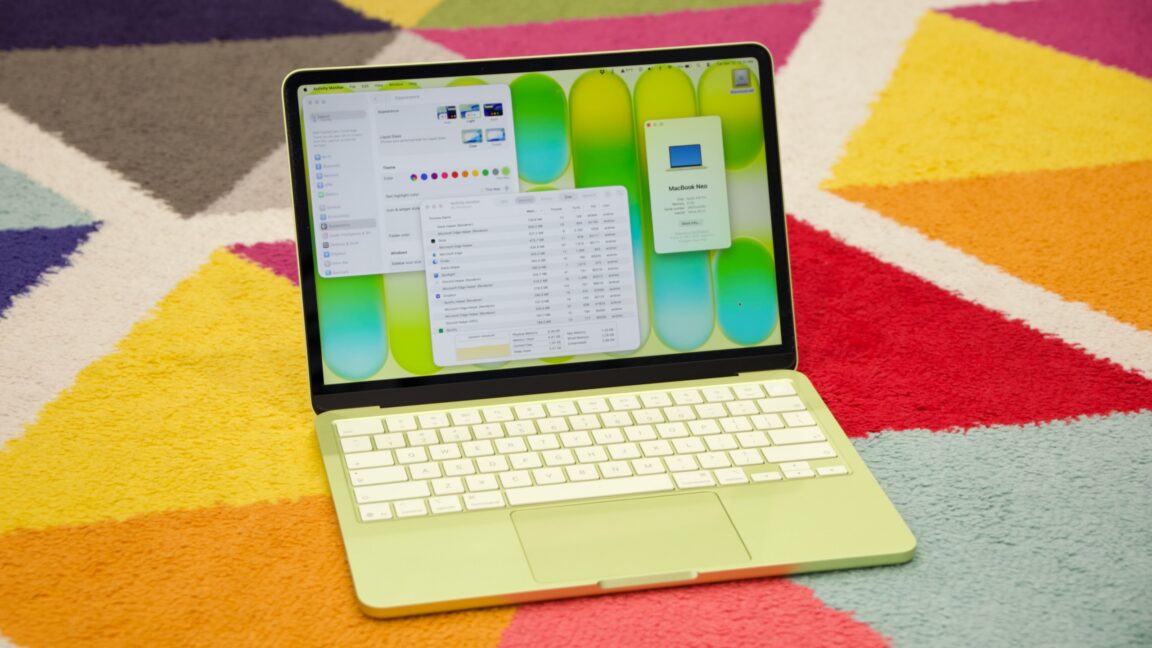
Consumers looking to acquire new Apple hardware will now face considerably higher price tags. The entry-level MacBook Neo, previously accessible at $599, has jumped to $699. Similarly, the iMac sees its price climb from $1,299 to $1,499. For professional users, the M5 MacBook Pro rises from $1,699 to $1,999, while the high-end M3 Ultra Mac Studio, featuring 96GB of memory, experiences a formidable $1,300 increase, reaching $5,299.
Beyond the Mac lineup, the iPad series is also affected, with price hikes ranging from $100 to $200 depending on the specific model. More modest increases have been applied to devices such as the Apple TV and HomePod. Notably, iPhone prices currently remain stable, a strategic decision that analysts are closely monitoring.
## Memory: The Core Culprit Behind Rising Prices
Apple CEO Tim Cook attributed these “unavoidable” price increases to the soaring cost of memory, in a recent interview with The Wall Street Journal. Cook stated, “We’re doing our best to mitigate the huge increases that are being passed to us, and we’ve been trying to shield our customers from the increases, but the situation has become unsustainable.” This candid admission highlights the immense pressure even industry giants face from volatile supply chains.
Indeed, market analysis corroborates Cook’s assessment. The global memory market has entered an “AI-driven supercycle,” characterized by unprecedented price volatility. Gartner projects that in 2026, annual prices for DRAM will surge by 125%, while NAND flash could see an astonishing 234% increase. This phenomenon, dubbed “memflation,” is a structural market shift, with meaningful pricing relief not anticipated until late 2027.
## The AI Boom’s Profound Impact on Component Supply
The primary driver behind this dramatic surge is the insatiable demand for memory stemming from the explosion of artificial intelligence computing power. AI data centers are projected to consume approximately 70% of high-end DRAM in 2026, diverting manufacturing capacity away from conventional consumer electronics memory. Major memory manufacturers such as Samsung, SK Hynix, and Micron are actively reallocating their production to higher-margin High-Bandwidth Memory (HBM) and enterprise-grade storage solutions, further tightening the supply for devices like PCs and smartphones.
Quarter-over-quarter data reveals the severity of this shift, with conventional DRAM contract prices soaring by a record 90-95% in Q1 2026 alone. This reorientation of manufacturing priorities creates a critical supply imbalance, directly impacting the cost structure of virtually all memory-dependent devices.
## Broader Market Implications and Consumer Impact
Apple’s price adjustments are a stark indicator of a broader trend affecting the entire consumer electronics industry. Gartner forecasts a significant slowdown in worldwide PC and smartphone shipments in 2026, expecting declines of 10.4% and 8.4% respectively, largely due to escalating memory costs. The firm also estimates that PC prices will rise by 17% and smartphone prices by 13% compared to 2025 levels, effectively pushing entry-level devices out of viability. It is predicted that the sub-$500 entry-level PC segment will essentially disappear by 2028.
This situation forces manufacturers, including Apple, to accept unit volume declines to maintain profitability, rather than eroding margins to chase price-sensitive buyers. For consumers, it means longer upgrade cycles and a greater focus on premium devices, which offer higher margins and where buyers may be less price-sensitive.
## Looking Ahead: Navigating a Shifting Landscape
While Apple’s formidable scale and financial reserves typically allow it to secure long-term supply agreements, insulating it somewhat from market volatility, even the tech giant is now feeling the brunt. The company’s strategic decision to potentially maintain iPhone pricing while increasing Mac and iPad costs suggests a calibrated approach to manage consumer expectations and preserve market share in its most crucial product category. Analysts suggest Apple may concentrate price hikes on its premium models, where consumers are less sensitive to cost increases, thereby protecting margins while striving to keep entry-level device pricing competitive to grow its vast ecosystem.
However, the “memory winter” is expected to persist through at least late 2027, demanding a fundamental shift in procurement and budgeting strategies for technology companies. As the industry continues to grapple with this unprecedented structural shortage, proactive supply chain management, diversification, and potentially innovative product design to reduce reliance on high-priced components will be paramount for sustained success. The current landscape is not merely a cyclical fluctuation but a testament to the profound and lasting impact of AI on the fundamental economics of consumer technology.
#TrendingNow #Innovation #TechNews #DailyMotivation #FitnessGoals #TravelInspiration #FoodieLife #Fashionista #ArtLovers #SustainableLiving #Mindfulness #ProductivityHacks
Artificial Intelligence, Cloud, Cybersecurity