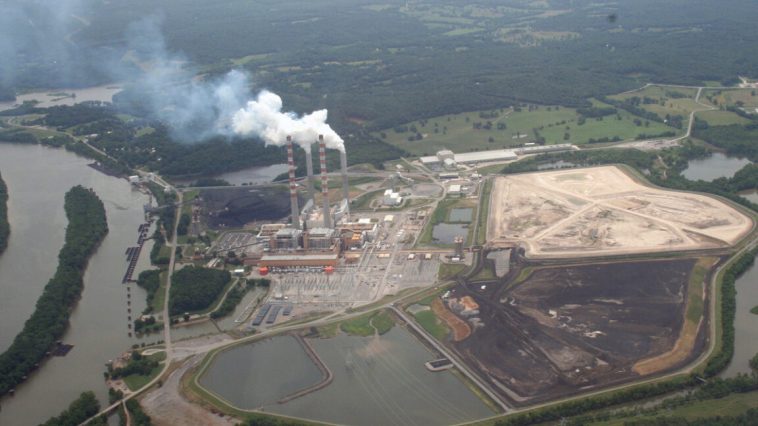
Cumberland Fossil Plant: A Troubling Reversal in Energy Policy
The Cumberland Fossil Plant in Tennessee, a long-standing symbol of both power generation and environmental contention, was on a clear path to decommissioning. Following years of documented pollution, repeated equipment failures, and mounting public health concerns, the coal-fired facility operated by the Tennessee Valley Authority (TVA) was scheduled for closure, with units slated to cease operation by 2026 and 2028. This planned retirement represented a significant step towards a cleaner energy future for the region.
A History of Non-Compliance and Environmental Strain
The Cumberland plant’s operational history is marred by a consistent struggle with environmental regulations. As early as 2011, TVA entered into a multibillion-dollar settlement after failing to implement crucial pollution control technology a decade prior. Despite this significant intervention, the plant continued to accrue violations, with regulators citing it for additional air pollution breaches in both 2017 and 2023. These persistent issues underscored the plant’s challenges in meeting modern environmental standards and its continued impact on air quality.
The Abrupt Pivot: Political Intervention and Extended Lifespan
However, the carefully laid plans for Cumberland’s retirement have been abruptly overturned. In a recent and controversial move, the Trump administration replaced four members of the TVA board, leading to an immediate reversal of the agency’s commitment to shutter the plant. This swift change in leadership and policy direction has now been cemented by a federal pledge of $46 million, specifically allocated to extend Cumberland’s operational lifespan. This funding is part of a broader, nationwide initiative by President Donald Trump to sustain older coal-fired power plants across the United States.
Broader Implications for Energy Transition and Public Health
This decision carries significant implications, not only for the local communities surrounding the Cumberland plant but for the nation’s broader energy transition goals. Extending the life of an aging coal facility runs counter to the global imperative to decarbonize energy grids and mitigate climate change impacts. It raises critical questions about the balance between energy security, economic stimulus for traditional industries, and the pressing need for sustainable environmental stewardship. The continued operation of such plants also perpetuates public health risks associated with air and water pollution, potentially undermining progress in these vital areas.
The Path Forward: A Divisive Energy Future
The reversal at Cumberland Fossil Plant exemplifies the ongoing political and economic tensions surrounding energy policy in the United States. While proponents argue for the reliability and economic benefits of existing infrastructure, critics highlight the environmental costs and the imperative to invest in renewable alternatives. As the nation navigates its energy future, decisions like these will profoundly shape the pace of innovation, the health of its citizens, and its commitment to global climate action. The debate over coal’s role in the national energy mix remains far from settled, with the Cumberland plant serving as a potent symbol of this enduring struggle.
#TrendingNow #ExplorePage #ViralContent #InstaDaily #TechTrends #FitnessGoals #TravelBug #FoodieLife #FashionStyle #MotivationMonday #ArtDaily #DIYProjects
Artificial Intelligence, Cloud, Cybersecurity