Mastering the Strands: A Deep Dive into the New York Times’ Latest Word Challenge
The New York Times Games suite continues its innovative expansion with “Strands,” a captivating addition that reimagines the classic word search. As digital puzzle enthusiasts increasingly seek fresh mental challenges, Strands offers a unique blend of thematic discovery and linguistic dexterity, quickly establishing itself as a staple in many daily routines. Its distinct approach to word puzzles exemplifies the evolving landscape of digital entertainment, pushing players beyond simple recognition into deeper conceptual understanding.
Decoding Strands: The Gameplay Mechanics
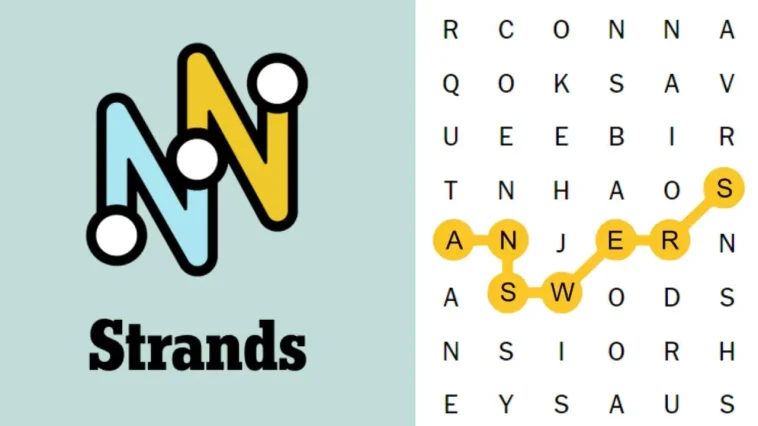
At its core, Strands presents players with a grid of letters, tasking them with unearthing hidden words that all relate to a central, often cryptic, theme. Unlike traditional word searches where words can be found in any direction, Strands requires words to be formed by connecting adjacent letters. The ultimate goal is to identify every themed word, culminating in the discovery of the “spangram” – a special word or phrase that spans across two sides of the board and offers a more explicit clue to the day’s overarching subject. This innovative mechanic adds layers of complexity, transforming a simple search into a genuine test of deduction and pattern recognition.
The strategic depth of Strands lies in its nuanced hint system. Players can opt for clues that highlight letters, guiding them toward undiscovered words. However, judicious use is key, as hints are limited. This balance between assistance and independent problem-solving encourages players to develop more sophisticated search strategies, scrutinizing the grid not just for individual words but for interconnected linguistic patterns that unlock the puzzle’s full potential.
Today’s Thematic Challenge: “Just Relax”
For today’s Strands puzzle, the theme invites players into a world of tranquility and self-care: “Just relax.” This seemingly straightforward prompt often conceals a sophisticated array of related terms, requiring solvers to think broadly about the various facets of relaxation and rejuvenation. The initial hint provided points towards “The activities one engages in when going to a special place designed for treating oneself to rest and relaxation,” further narrowing the conceptual field. This type of thematic guidance is crucial, helping players pivot their mental frameworks to align with the puzzle’s specific intent.
Navigating these themed grids demands both a sharp eye for letter combinations and an intuitive grasp of the chosen subject. The beauty of Strands lies in its ability to connect disparate terms under a single umbrella, forcing players to consider synonyms, related concepts, and even idiomatic expressions that fit the daily theme.
Unveiling Today’s Solutions
For those still navigating the labyrinthine letters, here are today’s solutions. Spoilers ahead for the June 24th, 2026 Strands puzzle.
Today’s pivotal spangram, weaving its way across the grid and encapsulating the essence of the theme, is: SPA TREATMENT.
The complete list of themed words to uncover includes:
- FACIAL
- AROMATHERAPY
- ACUPUNCTURE
- MASSAGE
These words collectively paint a vivid picture of the “Just relax” theme, each representing a distinct facet of a spa experience. The careful curation of these terms showcases the thoughtful design behind each Strands puzzle.
Strategic Insights and Future Implications
Today’s puzzle presented a unique challenge, primarily due to the length and often circuitous nature of its hidden words. Terms like “AROMATHERAPY” and “ACUPUNCTURE” require significant visual scanning and mental persistence, as they often snake through the grid, folding over themselves in unexpected ways. Even the spangram, “SPA TREATMENT,” initially posed a minor hurdle, tempting players to consider plural forms before settling on the singular, definitive phrase. Identifying the spangram early is often a critical breakthrough; it solidifies the theme and provides a powerful anchor for locating the remaining words.
The New York Times’ continued investment in sophisticated word games like Strands underscores a growing trend in digital engagement: the demand for intelligent, enriching entertainment. Beyond mere distraction, puzzles like Strands offer tangible cognitive benefits, enhancing vocabulary, pattern recognition, and lateral thinking skills. As artificial intelligence and algorithmic design become more prevalent, the potential for increasingly dynamic and personalized puzzle experiences will undoubtedly grow, promising an even richer future for digital wordplay. The success of Strands not only solidifies the NYT’s position as a leader in this space but also heralds a future where interactive mental exercises become an even more integral part of our digital lives, pushing the boundaries of how we engage with language and logic.
#SocialMediaTips #EngagementBoost #ContentMarketing #DigitalMarketing #MarketingStrategy #TrendingNow #SEOtips #BrandBuilding #OnlineBusiness #GrowthHacking #SuccessMindset #InfluencerMarketing
Artificial Intelligence, Cloud, Cybersecurity