NASA’s X-59 Propels Supersonic Travel Towards a Quieter Future
NASA’s X-59 Quiet SuperSonic Technology (QueSST) aircraft is rapidly approaching a pivotal moment, having recently achieved critical speed and altitude milestones. This groundbreaking research plane is on the cusp of redefining supersonic flight, promising a future where faster-than-sound travel is possible without the disruptive sonic boom historically associated with it. The X-59’s imminent flights over U.S. communities mark a significant step towards commercial supersonic travel becoming a widespread reality.
Breaking Barriers Quietly: Recent Flight Achievements
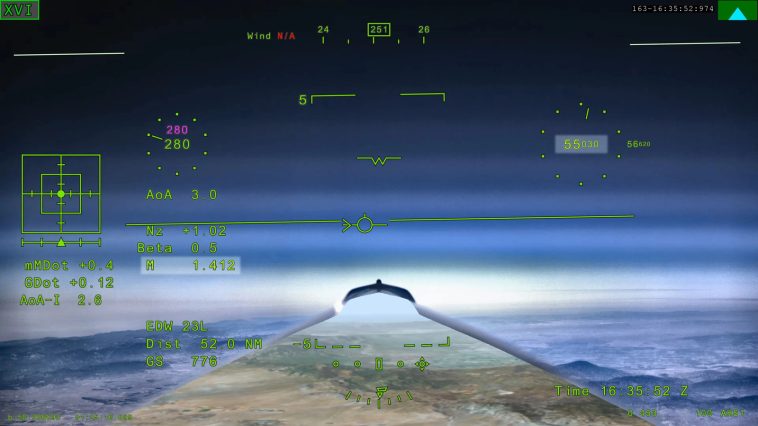
The X-59 has demonstrated remarkable progress in its flight test campaign. Following its maiden flight on January 12, 2024, the aircraft has systematically pushed its performance envelope. Notably, in recent test flights, the X-59 successfully reached speeds of Mach 1.4 (approximately 924 mph) and an altitude of 55,000 feet. These achievements are crucial, confirming the aircraft’s ability to operate under the precise conditions required for its upcoming mission phases.
Earlier test flights, including one on June 5 where it hit Mach 1.1, have steadily built confidence in its capabilities. Each successive flight validates the advanced engineering behind the X-59, ensuring it can perform its unique task of transforming a traditional sonic boom into a mere “quiet sonic thump.”
The Ingenuity Behind the “Sonic Thump”
The core innovation of the X-59 lies in its revolutionary design, specifically engineered to mitigate the shockwaves that cause a sonic boom. By employing a sleek, elongated airframe and canards, the aircraft reshapes the pressure waves generated when breaking the sound barrier, dispersing them in a way that significantly reduces their intensity. This design aims to produce a sound akin to a car door closing rather than a disruptive thunderclap.
This technological leap is vital because current regulations prohibit commercial supersonic flight over land due to the disturbance caused by sonic booms. The X-59’s success could pave the way for a reassessment of these restrictions, opening up new air corridors and dramatically cutting travel times.
Quesst Mission: Engaging the Public for a Quieter Future
The ultimate objective of the X-59 is the Quesst mission, a crucial phase that will involve flying the aircraft over populated areas across the United States. During these flights, NASA will gather vital public feedback on the perceived sound signature of the “quiet sonic thump” on the ground.
Before these public flights, the X-59 will undergo an extensive acoustic validation phase. This stage involves precise measurements of its supersonic acoustic signature to confirm that it consistently produces the intended quiet thump. The data collected from both the validation and public feedback phases will be instrumental in informing regulatory bodies about the feasibility and acceptability of quiet supersonic flight.
Future Implications: Reshaping Global Air Travel
The success of the X-59 project holds immense implications for the future of air travel. A proven, quiet supersonic technology could unlock a new era of commercial aviation, drastically reducing flight times for long-haul routes. Imagine cross-country flights in a fraction of their current duration, or transatlantic journeys becoming significantly shorter and more efficient.
Beyond passenger travel, this technology could also benefit rapid cargo delivery, emergency response, and even future aerospace research. The X-59 is not just an experimental aircraft; it’s a precursor to a potential revolution in how we connect the world, offering a tantalizing glimpse into a faster, yet quieter, tomorrow.
#Tech #Innovation #AI #Future #Gaming #Science #Health #Fitness #Travel #Food #Motivation #LifeHacks
Artificial Intelligence, Large Language Models, Machine Learning