Revolutionizing Lithium: A Sustainable Blueprint from MIT Could Reshape Global Energy
The global appetite for lithium, the essential “white gold” powering our digital age and the burgeoning electric vehicle (EV) revolution, is experiencing an unprecedented surge. From advanced AI applications to every electric car battery, demand is projected to quadruple by 2040. This escalating need, however, confronts a critical paradox: current lithium extraction methods, while fueling a sustainable energy future, often carry significant environmental costs that undermine their very purpose.
Traditional mining techniques for lithium, whether from brines or hard rock, are resource-intensive. They consume vast quantities of water, release substantial carbon dioxide emissions, and frequently involve hazardous chemicals, limiting operations to a select few countries. The environmental footprint of hard rock lithium can be up to three times more carbon-intensive than brine sources. This reality has spurred a critical need for cleaner, more efficient extraction technologies.
A New Dawn for Hard Rock Extraction
In a significant breakthrough, scientists at the Massachusetts Institute of Technology (MIT) have unveiled a novel, low-cost, and environmentally friendlier process for extracting battery-grade lithium from hard rock minerals. This innovation leverages an abundant resource often overlooked due to extraction difficulties. The research, published in Science, offers a compelling vision for a more sustainable and geographically diversified lithium supply chain.
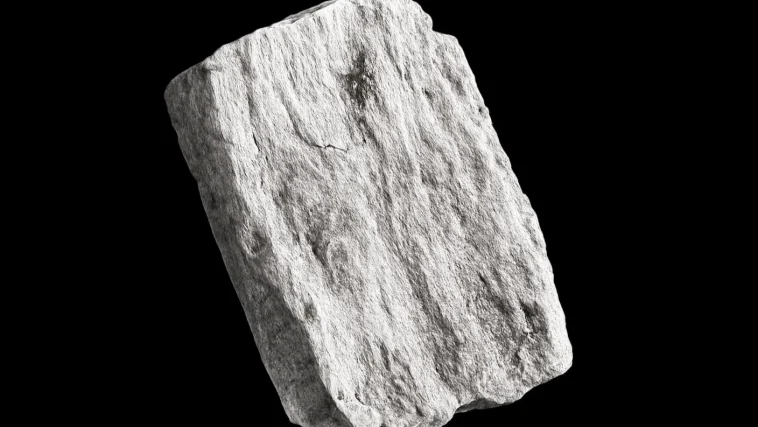
Professor Yet-Ming Chiang, a co-author of the study, drew inspiration from an unlikely source: glass etching cream. Recognizing that its active ingredient, ammonium fluoride, could dissolve silica—a primary component of lithium-rich spodumene rock—his team devised a closed-loop system. This ingenious “nose-to-tail mining” approach not only extracts lithium but also valorizes other mineral components, minimizing waste.
Overcoming Traditional Obstacles
Current hard rock lithium extraction from minerals like spodumene is notoriously challenging and energy-intensive. It typically involves roasting the ore at extreme temperatures exceeding 1,000 degrees Celsius (1,832 degrees Fahrenheit), followed by chemical leaching using strong acids. This process is highly energy-demanding, contributing significantly to greenhouse gas emissions—up to 20.4 tonnes of CO2 per tonne of lithium produced. Furthermore, it generates considerable solid and liquid waste, including chemical byproducts that often contain sulfuric acid.
Brine-based extraction, while generally less carbon-intensive, relies on large evaporation ponds that consume vast amounts of water and are limited to specific arid geographies. The MIT team’s innovation sidesteps these drawbacks by operating at temperatures below the boiling point of water, typically around 70 degrees Celsius (158 degrees Fahrenheit). This significantly reduces energy consumption and the associated carbon footprint.
The Triple-Benefit Approach
The MIT process uses an aqueous solution of ammonium fluoride to dissolve spodumene, selectively breaking down the robust silicon-oxygen bonds that make traditional extraction so difficult. This allows for the complete dissolution of the mineral without the need for high-temperature roasting, eliminating a major source of emissions and waste. The process yields battery-grade lithium salts with up to 99% purity, with extraction times reduced to under 12 hours in refined experiments.
Crucially, this method embodies a “triple threat” advantage by also recovering two valuable co-products: alumina, which can be smelted into aluminum, and silica, a sustainable ingredient for greener cement. This comprehensive valorization of the ore’s components aligns with circular economy principles, transforming what would traditionally be discarded waste into marketable materials. The process also boasts a closed-loop design, regenerating and reusing the ammonium fluoride solution for multiple extraction cycles, pushing waste levels towards zero.
Reshaping the Lithium Landscape
The economic implications are substantial. The researchers estimate their closed-loop process could cut refining costs by over 40% compared to conventional hard-rock methods, potentially making it competitive with even high-grade brine operations. If the alumina and silica byproducts are successfully monetized, the net production cost could fall even further, making it exceptionally attractive.
This cost efficiency, coupled with the process’s simplicity and lower infrastructure requirements, could profoundly decentralize global lithium production. Currently, a few countries, namely China, Australia, and Chile, dominate the global output and refining of lithium. The new MIT technology could enable countries with abundant hard rock lithium deposits, such as the U.S., Europe, and Africa, to establish smaller, localized refineries closer to mines. This would mitigate geopolitical risks, enhance supply chain resilience, and reduce transportation costs and emissions.
Moreover, the less energy-intensive nature of the process makes it ideal for integration with renewable energy sources like solar and wind, further diminishing its environmental footprint. The broader impact extends beyond lithium, as the methodology could be adapted to recover other critical metals from mineral ores, such as beryllium, which currently suffers from extraction methods that generate toxic fumes.
Future Outlook and Challenges
While immensely promising, the path to widespread adoption for the MIT spinout, Rock Zero, will not be without hurdles. They face the challenge of scaling their technology against established lithium giants, navigating volatile global markets, and contending with the increasing competitiveness of alternative battery chemistries like sodium-ion batteries. Sodium-ion batteries, for instance, are gaining traction due to their lower manufacturing costs, abundant raw materials, and better low-temperature performance, though they generally offer lower energy density than lithium-ion solutions.
Despite these challenges, Yet-Ming Chiang remains confident in the technology’s disruptive potential. He asserts that this approach represents “the lowest-energy, lowest-cost way of getting lithium not only out of hard rock, but period”. This bold vision underscores the transformative power of sustainable innovation in addressing critical resource demands and paving the way for a truly green energy transition.
#TrendingNow #Innovation #TechNews #FutureIsHere #DailyMotivation #FitnessGoals #TravelInspiration #FoodieLife #SustainableLiving #ArtAndCulture #Mindfulness #CommunityLove
Artificial Intelligence, Cloud, Cybersecurity