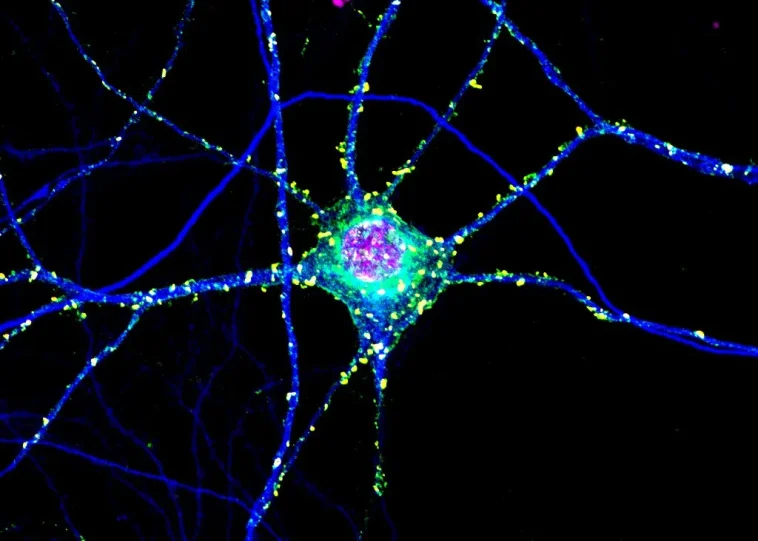
A Paradigm Shift in Neurodegeneration: When Protein Clumps Protect
For decades, the tragically predictable progression of Huntington’s disease has been attributed to a single, relentless foe: the accumulation of distorted, sticky proteins that overwhelm and ultimately destroy brain cells. This scientific dogma painted a clear picture of these protein aggregates, known as inclusion bodies, as unequivocally detrimental. Yet, a groundbreaking study from the Hebrew University of Jerusalem and its collaborators is now challenging this long-held belief, suggesting a far more complex and perhaps even beneficial role for these cellular clumps. Their findings reveal that inclusion bodies may, in fact, serve as a neuron’s crucial first line of defense against damage.
This unexpected twist in the narrative of neurodegenerative diseases could profoundly reshape future therapeutic strategies. Rather than solely focusing on eliminating these aggregates, researchers may now explore ways to enhance their protective functions, offering a new avenue in the fight against disorders that progressively rob individuals of their cognitive and motor abilities.
Rethinking the Dogma of Protein Aggregation
The prevailing view in neuroscience has long demonized protein clumps as the primary drivers of neurodegenerative disorders. In diseases like Alzheimer’s, for instance, the accumulation of amyloid plaques and tau tangles is considered a hallmark of pathology, accelerating neuronal injury and cognitive decline. Despite extensive research and numerous drug trials aimed at clearing these aggregates, success has been largely elusive, leading to what some have termed a “graveyard of dreams.”
Similarly, Parkinson’s disease is characterized by Lewy bodies, aggregates of alpha-synuclein protein that impair movement control and other vital functions. Amyotrophic Lateral Sclerosis (ALS), or Lou Gehrig’s disease, also features inclusion bodies within motor neurons, contributing to devastating muscle weakness and loss of speech. The consistent presence of these aggregates across various neurodegenerative conditions has solidified the belief in their harmful nature.
The Intricate Dance of Cellular Defense
The recent study introduces a compelling counter-narrative, proposing that these much-maligned inclusion bodies might actually be a cellular coping mechanism. The research indicates that misfolded or malfunctioning proteins are not simply left to wreak havoc, but are actively “quarantined” within these bubbly structures. This physical separation, a cellular equivalent of damage control, appears to shield healthy cellular components from immediate harm.
Intriguingly, the study further uncovered that inclusion bodies actively modulate gene activity, particularly those involved in neuroinflammation. Even in the absence of immune cells, these aggregates influenced the genetic landscape, pointing to a direct, intrinsic cellular response. Researchers honed in on ATF3, a “master regulator” gene, which orchestrates critical immune responses. Removing ATF3 significantly diminished the protective effects of inclusion bodies against damage in cultured cells, underscoring its pivotal role in this newfound defense mechanism.
Huntington’s Disease: A Uniquely Genetic Challenge
Huntington’s disease stands apart from many other neurodegenerative conditions due to its unequivocally genetic origin. It stems from an inherited mutation in the huntingtin gene (HTT), where a specific DNA segment, cytosine-adenine-guanine (CAG), is abnormally over-repeated. While the normal huntingtin protein is crucial for axonal transport, brain development, and neuronal wiring, the mutant form, with its extended polyglutamine (polyQ) tract, becomes unwieldy and misfolded.
This polyQ expansion leads to the aggregation of these errant proteins into inclusion bodies within neurons. Historically, these clumps were considered universally detrimental, acting like “sticky tape” that traps and inactivates vital healthy proteins, including those essential for gene expression, thereby compromising cellular health. The degree of CAG repeats directly correlates with earlier disease onset and increased severity, highlighting the precise genetic trigger of this devastating condition.
Unveiling a Protective Mechanism: The Hebrew University Study
The Hebrew University team embarked on an innovative experimental journey to dissect the role of these protein aggregates. Using advanced gene editing with CRISPR-Cas9, they meticulously reduced the pathological CAG repeats in patient-derived cells, effectively normalizing the genetic mutation. By tagging huntingtin proteins with a fluorescent marker, they could observe the dynamic process of protein aggregation in real-time.
A pivotal moment in their research involved challenging these cells with a chemical stressor designed to mimic the conditions of neurodegeneration. The results were striking: cells that successfully formed inclusion bodies demonstrated significantly higher survival rates compared to those that did not. As the authors noted, “Once a mutant PolyQ protein is expressed, the formation of IBs [inclusion bodies] protect[s] the cells rather than inflict[s] harm, at least short-term.” This suggests that these clumps actively sequester harmful mutant proteins, offering a critical, immediate shield for neurons.
Further investigations unveiled the crucial involvement of the ATF3 gene. A genetic screen highlighted its abundance in cells forming inclusion bodies and its known role in regulating inflammation. When the researchers eliminated ATF3, the neurons’ ability to form protective inclusion bodies was compromised, rendering them more vulnerable to stress. This establishes ATF3 as a central orchestrator of this protective aggregation, demonstrating its upstream role in the cellular stress response.
Future Horizons and Therapeutic Implications
While these findings are compelling, it is crucial to emphasize their early-stage nature, conducted primarily in cell models within a petri dish. Nevertheless, the implications are profound. This research fundamentally challenges the long-standing assumption that all protein aggregates are inherently detrimental. It suggests a more nuanced perspective: inclusion bodies could be a “double-edged sword,” protective in the initial stages of the disease but potentially harmful later on.
If these results are replicated in more complex models and across other neurodegenerative diseases, such as Alzheimer’s or ALS, it could pave the way for entirely new therapeutic strategies. Instead of universally aiming to eliminate protein clumps, future treatments might focus on modulating or enhancing the body’s intrinsic protective mechanisms, perhaps by boosting ATF3 activity to promote beneficial inclusion body formation in the early stages of disease. Such an approach would represent a significant shift, working with the body’s natural defenses rather than against them.
The question of how quickly inclusion bodies form and at what point their role might transition from protective to detrimental remains an area for intense future investigation. Meanwhile, the landscape of Huntington’s disease treatment is already evolving, with promising gene therapy trials underway that aim to reduce the production of mutant huntingtin protein. This evolving understanding of protein aggregates underscores the complexity of neurodegenerative diseases and highlights the need for diverse, innovative approaches in the relentless pursuit of effective therapies.
#TrendingNow #ViralContent #ExplorePage #ForYou #Innovation #TechNews #DailyVlog #GamingCommunity #FitnessMotivation #TravelGoals #FoodLover #FashionStyle
Artificial Intelligence, Cloud, Cybersecurity