LG’s Monitor App Controversy: A Wake-Up Call for Bloatware Accountability
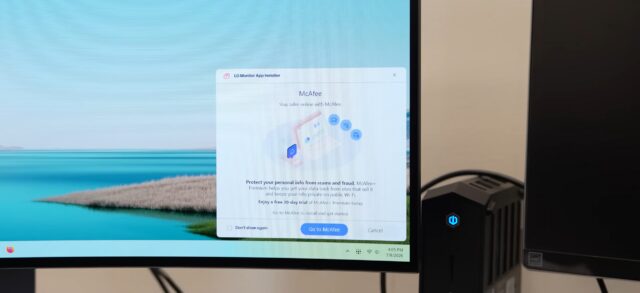
LG is reportedly taking swift action to address a burgeoning controversy surrounding a pre-installed application on some of its monitors. The consumer electronics giant is said to be pulling a persistent McAfee pop-up advertisement from an app that has been stealthily deploying itself onto users’ connected computers, raising significant concerns among the tech community.
The Silent Invasion: Unpacking the LG Monitor App Installer
At the heart of the issue is the “LG Monitor App Installer,” an application that has been reported to install itself via Windows Update, often alongside essential monitor driver updates. This method of deployment, sidestepping explicit user consent, is a critical point of contention. Once installed, the app then reportedly initiates pop-up ads promoting a 30-day free trial for McAfee antivirus software, among other potential applications. This non-consensual installation and subsequent advertising have rightly sparked outrage, highlighting a concerning trend of manufacturers overstepping boundaries within the user’s digital environment.
Community Backlash and Media Scrutiny Force a Response
The problematic behavior of the LG Monitor App Installer did not go unnoticed. Numerous complaints quickly surfaced across prominent online communities, particularly on Reddit, where users expressed frustration over unwanted advertisements and the clandestine nature of the app’s installation. The issue gained significant traction following a detailed investigation and video by the highly respected YouTube channel Gamers Nexus. Editor-in-chief Steve Burke meticulously replicated the behavior across multiple Windows 11 systems, using an LG UltraGear 3GX900A-B gaming monitor, providing irrefutable evidence of the problem. This collective community and media push underscores the power of informed consumers in holding tech companies accountable.
Broader Implications for Consumer Trust and Industry Standards
While LG’s reported move to remove the McAfee pop-up is a step towards remediation, this incident carries broader implications for consumer trust and industry best practices. The practice of bundling unwanted software, often referred to as “bloatware,” through seemingly benign updates erodes the foundational trust users place in hardware manufacturers and operating system updates. Companies must prioritize transparency and user control, ensuring that any software installation beyond core functionality is explicitly opted into by the user.
This event serves as a stark reminder that users expect their hardware to enhance their experience, not to become a conduit for unsolicited advertisements or privacy infringements. As the tech landscape continues to evolve, maintaining ethical software distribution practices will be paramount for manufacturers seeking to retain customer loyalty and uphold their brand reputation in an increasingly scrutinizing market.
#TrendingNow #ViralContent #ExplorePage #ForYou #Innovation #TechTrends #DailyMotivation #LifeHacks #FitnessJourney #TravelGoals #ArtDaily #Fashionista
Artificial Intelligence, Cloud, Cybersecurity