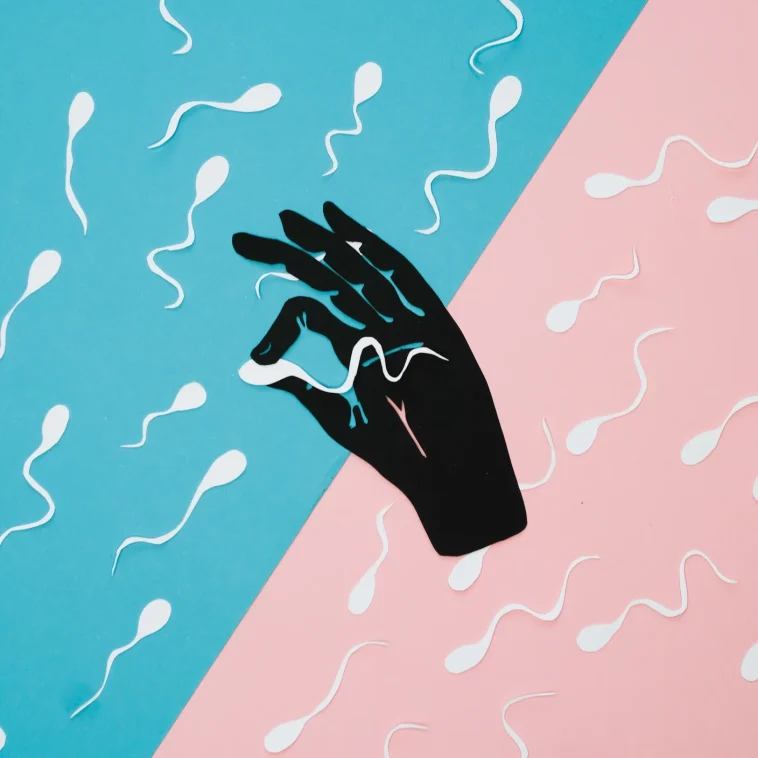
Engineering Life: Mouse Kidneys Become Incubators for Human Sperm Precursors
San Francisco, CA – In a pioneering step blurring the lines between science fiction and reality, scientists have successfully transformed a living mouse’s kidney into a temporary incubator for developing human sperm derived from ordinary blood cells. This groundbreaking achievement, led by Dr. Kotaro Sasaki’s team at the University of Pennsylvania, marks a significant advance in the decade-long pursuit of generating human gametes in the lab. While functional sperm remains a distant goal, the research offers unprecedented opportunities to unravel the mysteries of human reproductive biology and confront the growing challenge of male infertility.
Unlocking the Secrets of Male Fertility
The ability to create immature human sperm in a controlled environment offers a unique window into the earliest stages of sperm development, a process notoriously difficult to study in humans as it commences before birth. Such insights could prove invaluable for understanding the complex mechanisms underlying male infertility, a condition affecting millions globally and often without a clear cause. This research platform could illuminate unknown pathways and potentially inspire novel diagnostic tools and treatments.
Beyond directly addressing infertility, the technology holds promise for broader applications. It establishes a robust framework for modeling primate germ cell development, paving the way for testing whether various drugs interfere with reproductive processes without direct human trials. This could significantly impact pharmaceutical development, ensuring new medications do not inadvertently compromise fertility.
The Intricate Journey to Lab-Grown Gametes
The journey to producing human sperm in the lab is a complex endeavor. For decades, scientists have mastered the art of “rewinding” adult cells into induced pluripotent stem cells (iPSCs), which possess the remarkable ability to transform into nearly any cell type. However, guiding these iPSCs to become fully mature, functional sperm has proven exceptionally challenging, largely due to the prolonged and intricate developmental timeline of human spermatogenesis.
Sperm development begins in utero with early stem cells giving rise to spermatogonia, the founder cells that replenish sperm throughout a male’s life. These cells remain largely dormant until puberty, when they embark on meiosis, a specialized cell division that halves their chromosomes, preparing them for fertilization. This entire process is profoundly influenced by a complex interplay of molecular signals, proteins, hormones, and the unique physical architecture of the testes. Replicating this intricate biological niche in a laboratory dish has been a formidable barrier.
A decade ago, Dr. Sasaki’s team made significant strides by transforming human iPSCs into early stem cells that could eventually differentiate into sperm or eggs. While these cells exhibited gene expression profiles mirroring their natural counterparts, they struggled to mature further without the crucial environmental cues. A clever workaround involved mixing these immature human cells with supportive, non-reproductive cells isolated from mouse testes, creating a self-organizing structure called xrTestis. This mixture spontaneously formed tube-like structures reminiscent of seminiferous tubules within the testes, successfully recapitulating aspects of human germ cell development. Yet, these miniature structures still faced limitations, failing to advance beyond fetal developmental stages and collapsing after approximately 80 days, primarily due to the lack of a sustained blood supply.
An Unexpected Host: The Mouse Kidney
To overcome the challenge of prolonged viability and to push sperm development further, the researchers ingeniously transplanted the xrTestis mixture into the kidneys of immunodeficient mice. The rich vascularization of the kidney provided the essential blood supply that the in vitro cultures lacked, allowing the grafts to organize into hallmark tubular structures within a month and remain stable for at least half a year, without eliciting any signs of discomfort or immune rejection in the host mice.
Crucially, after six months, some human cells within the grafts developed into spermatogonia, the self-renewing stem cells that are the precursors to mature sperm. These cells underwent a vital epigenetic reset, a process where chemical tags on DNA that regulate gene activity are almost entirely cleared. This “reset” is critical for proper reproductive function, and its successful completion in the lab-grown cells, with gene activity mirroring natural counterparts, represents a major scientific hurdle overcome. Despite these advancements, none of the cells progressed to fully mature, functional sperm, likely due to species-specific differences in signaling molecules and hormonal responses between human and mouse testes. Replacing the mouse support cells with human versions could be the next critical step towards achieving full maturation.
The Ultimate Test: Ethical Frontiers and Commercial Race
The team’s exploration extended to non-human primates, generating immature sperm cells from monkeys with similar results. These findings are particularly valuable because monkey reproductive biology more closely resembles that of humans, and previous studies have demonstrated that transplanted monkey spermatogonia can generate mature sperm, offering a crucial stepping stone towards potential future clinical applications and testing for healthy offspring.
However, the prospect of lab-grown sperm and eggs, known as in vitro gametogenesis (IVG), raises profound and complex bioethical questions. Mass-producing gametes could lead to an abundance of embryos, potentially increasing the scope for embryo selection based on desired traits, venturing into the realm of “designer babies,” especially if coupled with gene editing technologies. The chilling possibility of creating sperm or eggs from an individual’s cells without their consent, perhaps from a hair or skin scraping, also necessitates stringent ethical safeguards.
Regulators are already grappling with this rapidly advancing field. In January 2025, the UK’s Human Fertilisation and Embryology Authority (HFEA) urged the government to explicitly address lab-grown reproductive cells within legislation. Similarly, the International Society for Stem Cell Research (ISSCR) has called for rigorous oversight and extensive public engagement before any clinical use of IVG. While many countries are only beginning to formulate policies, the scientific progress mandates proactive legal and ethical frameworks to navigate these uncharted territories responsibly.
Meanwhile, the commercial sector is keenly pursuing these breakthroughs. Utah-based Paterna Biosciences recently announced the production of functional human sperm from immature sperm collected via testicular biopsies, claiming that early embryos created with these lab-grown gametes were comparable to those from standard IVF. Concurrently, California startup Conception reported generating early human egg cells from iPSCs. While these claims are exciting, the lack of peer-reviewed publications or preprints means independent verification is still pending.
The development of lab-grown reproductive cells, much like germline gene editing, ignites critical conversations about not only what is scientifically possible, but also what society deems permissible and ethical. For now, the University of Pennsylvania team emphasizes that their work is a fundamental research tool, a critical step towards understanding human reproductive biology, and not yet a clinical fertility treatment. The path to clinical application is long, fraught with scientific challenges and profound ethical considerations that demand ongoing public discourse and robust regulatory foresight.
#TechTrends #InnovationNation #DigitalLife #FutureIsNow #AIRevolution #GadgetGoals #CreativeCommunity #InspireDaily #MindfulnessMatters #WellnessJourney #TravelAdventures #FoodieLife
Artificial Intelligence, Cloud, Cybersecurity