UK Heatwave: A Staggering £1.15 Billion Economic Blow Signals Urgent Climate Adaptation Needs
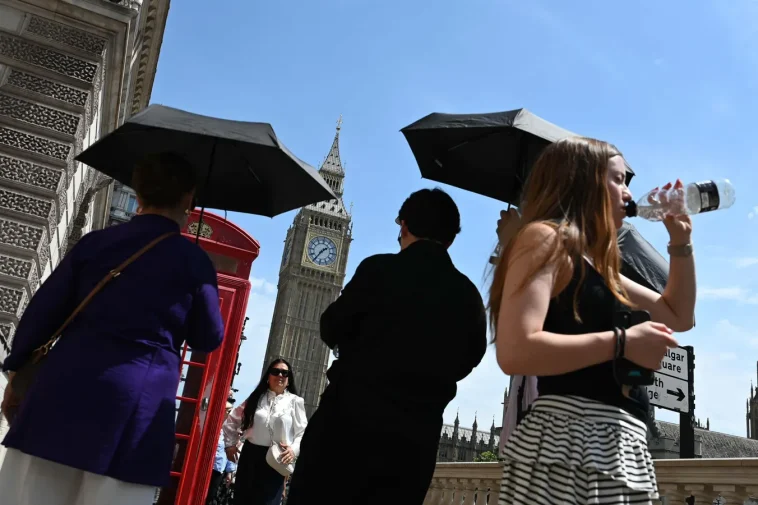
The searing heatwave that gripped the United Kingdom in June 2026 inflicted a significant economic toll, resulting in an estimated 24 million lost working hours and a staggering £1.15 billion hit to the national economy. New research underscores the profound financial and societal consequences of increasingly frequent and intense extreme weather events, serving as a stark warning for the future.
The Staggering Economic Toll
A comprehensive report, jointly published by the Grantham Research Institute on Climate Change and the Environment and the Euro-Mediterranean Center on Climate Change (CMCC), meticulously quantifies the economic output lost due to the record-breaking temperatures. Their findings reveal that the average worker experienced a reduction of 0.47 hours in their working week. This seemingly modest figure collectively translated to approximately 16 million lost hours across the UK’s 34.4 million-strong working population, equating to an economic setback of £0.77 billion.
Beyond this widespread dip in productivity, the heatwave forced a substantial segment of the workforce out of action entirely. The survey indicated that 3.6% of respondents, representing roughly 1.25 million individuals, were unable to work at all during that week. This resulted in an additional 8 million lost hours, costing the economy an estimated £0.38 billion. These figures paint a clear picture of the immediate and tangible financial drain that climate-driven events are imposing on modern economies.
Beyond Productivity: The Human Cost
The economic impact is only one facet of the challenge. The Grantham and CMCC research also highlighted significant health implications, with a striking 87% of workers reporting at least one health-related issue. Symptoms ranged from increased fatigue and reduced concentration to more severe conditions like dizziness or fainting. Such widespread health impacts compromise worker well-being and long-term health, placing additional strain on public health services.
Dr. Shouro Dasgupta, a CMCC researcher, pointed out a critical dimension of this crisis: extreme heat exacerbates existing inequalities within the labour force. Women, younger workers, and individuals with pre-existing health conditions were disproportionately affected, reporting higher instances of health deterioration. This disparity reveals how climate change acts as a “heat tax,” widening social and economic divides and threatening equitable progress.
The Imperative for Adaptation
Elizabeth Robinson, Director of the Grantham Research Institute, emphasized that the escalating frequency and intensity of heatwaves are an undeniable consequence of rising CO2 levels. She stressed the urgent need for enhanced efforts in both emissions reduction and robust climate adaptation strategies. The report offers compelling evidence that effective adaptation measures demonstrably reduce lost work hours and safeguard worker health.
Workers proactively adopted various strategies, including altering working hours, relocating their workspaces, or adjusting commute methods. However, Professor Robinson noted that such flexibility is not universally available. Employers have a crucial role to play, from installing air conditioning and relaxing dress codes to shifting outdoor work to cooler morning or evening hours. Yet, even with these measures, risks persist, including increased worker fatigue and disrupted sleep patterns, which can compromise overall health and safety.
A Broader Economic Threat
The Grantham/CMCC figures, while substantial, may represent a conservative estimate. The Verdant think tank, in its own recent report, claimed the June heatwave’s economic cost was at least £2.36 billion. This higher figure accounts for broader impacts, including reduced productivity and the significant costs associated with infrastructure and equipment overheating and failing. Verdant’s analysis further illustrates that for every 1 degree Celsius increase above 30 degrees in Europe, a 3% reduction in average output per hour is observed, highlighting a critical threshold for economic performance.
These findings extend beyond the immediate human impact, revealing the vulnerabilities of modern infrastructure. Power grids strain under increased demand for cooling, transportation networks suffer from heat-induced disruptions, and sensitive equipment can malfunction, leading to costly downtime and repairs. This underscores the systemic nature of the challenge posed by escalating temperatures.
Climate Extremes: The New Normal
These reports align with increasingly dire warnings from leading meteorological and climate bodies. Earlier this month, the Met Office in the U.K. issued its own report, cautioning that climate extremes are rapidly becoming the new “normal.” This sentiment was echoed in May by the Climate Change Committee (CCC), which warned that the growing impacts of climate change are already affecting every facet of British life, identifying heat, flooding, and drought as the three most significant risks.
The implications are clear: these events are not isolated anomalies but harbingers of a future defined by volatile climate patterns. This necessitates a fundamental re-evaluation of national infrastructure, urban planning, and public health preparedness. Relying solely on reactive measures is no longer sustainable; proactive, long-term strategies are imperative.
Looking Ahead: Policy and Innovation
The economic and human costs of heatwaves demand a multi-faceted response, integrating policy, innovation, and investment. Future implications include the accelerated development of climate-resilient infrastructure, such as “cool roofs” and urban green spaces designed to mitigate heat island effects. Businesses must invest in smart climate control systems and implement flexible working policies as standard, not as exceptions.
Furthermore, there is a growing need for innovative financial instruments, like climate risk insurance, to help mitigate economic shocks. Governments will need to consider regulatory frameworks that incentivize sustainable building practices and mandating adaptation measures in high-risk sectors. The June 2026 heatwave serves as a costly lesson, underscoring that climate change is not merely an environmental concern but a pressing economic and social crisis requiring immediate, coordinated, and far-reaching action.
#Innovation #TechTrends #FutureIsNow #AIRevolution #DigitalTransformation #CodingLife #WebDesign #DataScience #CloudComputing #MachineLearning #CyberSecurity #IoT
Artificial Intelligence, Generative AI, Cloud