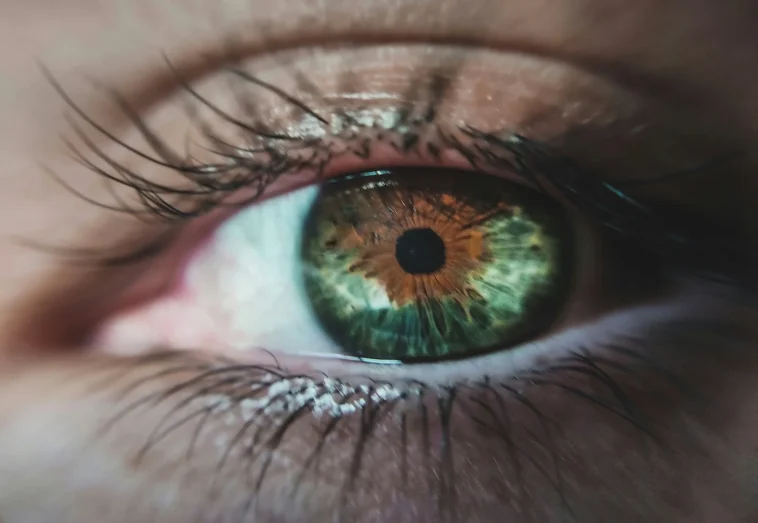
A Glimmer of Green: Photosynthetic Eye Drops Herald a New Era for Ocular Health
In a remarkable convergence of plant biology and advanced nanomedicine, scientists have developed a groundbreaking treatment that could revolutionize how we approach chronic inflammatory conditions, starting with dry eye disease. Imagine eye drops containing microscopic photosynthetic machinery, derived from common spinach, granting mammalian eyes a leaf-like ability to harness sunlight for healing. This is the essence of LEAF (Light-reaction Enriched thylAkoid NADPH-Foundry) technology, a discovery poised to fundamentally alter therapeutic paradigms.
The unassuming vial, containing these potent green particles, represents a profound shift in biotechnological innovation. Within minutes of application, these plant-based components integrate into ocular cells, transforming them into miniature, light-powered biochemical factories. This “cross-kingdom” biological transplant holds immense promise, leveraging nature’s oldest energy conversion process for human benefit.
Unveiling LEAF: Harnessing Plant Power for Human Healing
At the core of LEAF technology lies a sophisticated extraction and engineering process that isolates the thylakoid grana, the precise photosynthetic machinery from spinach leaves. These nanosized particles, approximately 400 nanometers across, are meticulously preserved to maximize their efficiency in producing nicotinamide adenine dinucleotide phosphate (NADPH) when exposed to ambient light. NADPH is a crucial antioxidant in mammalian cells, playing a vital role in combating oxidative stress and inflammation.
The process mimics the light-dependent reactions of photosynthesis, generating not only NADPH but also adenosine triphosphate (ATP) intracellularly, thereby alleviating oxidative stress and inflammation. This ingenious approach bypasses conventional cellular pathways that are often overwhelmed during inflammatory states, offering a direct and sustainable source of a powerful therapeutic molecule.
The Silent Scourge: Understanding Dry Eye Disease
Dry eye disease (DED), also known as keratoconjunctivitis sicca, is a pervasive and debilitating condition affecting an estimated 1.5 billion people worldwide. Far from being a mere discomfort, DED can lead to chronic pain, corneal scarring, blurred vision, and debilitating light sensitivity. The persistent irritation and pain associated with DED can significantly diminish quality of life, and studies have linked the condition to increased rates of depression, anxiety, and other psychological struggles.
Current treatments primarily focus on managing inflammation but are often costly, have limited availability, and can induce systemic side effects with long-term use. The disease is characterized by a vicious cycle where reactive oxygen species (ROS)—cellular byproducts acting like tiny molecular bullets—damage delicate cellular structures and overwhelm the body’s natural antioxidant defenses. This oxidative stress depletes NADPH, further exacerbating inflammation and cell death, creating a challenging therapeutic dilemma.
Nature’s Blueprint: Lessons from the Sacoglossan Sea Slug
The inspiration for this groundbreaking plant-animal crossover is not entirely novel; it finds a precedent in the natural world. The sacoglossan sea slug, for instance, exhibits a remarkable ability known as kleptoplasty. These “solar-powered sea slugs” consume microalgae and retain intact chloroplasts within their digestive cells, enabling them to photosynthesize and sustain themselves on sunlight when food is scarce. This natural endosymbiosis highlights the potential for functional integration of photosynthetic machinery into animal systems.
Previous scientific endeavors have attempted to transplant photosynthetic components like thylakoids into mammalian cells, including mouse knee cells for cartilage regeneration and for treating rheumatoid arthritis. However, these efforts faced challenges such as maintaining the integrity and function of the complex photosynthetic structures, requiring additional chemical additives, or struggling with light penetration into deeper tissues. The eye, with its natural transparency to visible light, presents an ideal “window” for such light-activated therapies.
LEAF’s Clinical Promise: Restoring Ocular Homeostasis
In rigorous preclinical trials, the LEAF eye drops demonstrated unprecedented efficacy. In laboratory tests, inflamed corneal cells and macrophages readily absorbed the spinach-derived particles. Upon light exposure, LEAF swiftly restored NADPH levels, significantly suppressing ROS activity and shifting immune cells from a pro-inflammatory to an anti-inflammatory state. Remarkably, in tear samples from human dry eye patients, LEAF boosted NADPH levels twentyfold and reduced a damaging oxidant, hydrogen peroxide, by over 95 percent.
The therapeutic potential was further validated in mouse models of dry eye disease. Administered as eye drops twice daily for five days, LEAF reversed corneal damage to near-healthy levels, outperforming an approved pharmaceutical treatment, Restasis®. Crucially, safety assessments conducted over two months showed no adverse immune reactions in the eyes or other organs, underscoring its impressive biocompatibility. These findings pave the way for human clinical trials, offering hope for a non-invasive, cost-effective, and highly effective treatment for millions.
Beyond the Eye: Illuminating Future Therapeutic Frontiers
The implications of LEAF technology extend far beyond dry eye disease. The research team envisions its application in other inflammatory skin conditions, where a topical cream could leverage sunlight to reduce inflammation. The principles demonstrated by LEAF—using light to drive cellular healing—could unlock new strategies for treating a wide array of conditions characterized by oxidative stress and inflammation.
Researchers are also actively exploring methods to introduce these photosynthetic molecules into deeper internal organs, potentially addressing systemic inflammation or boosting mitochondrial health—the powerhouses of our cells. The vision of human cells possessing even limited photosynthetic abilities, as articulated by study author David Tai Leong, heralds a surreal yet attainable future in regenerative medicine and bio-integration, where plant-derived biological machinery could provide novel solutions for human health challenges. This pioneering work from the National University of Singapore truly plants an extraordinary idea for the future of medicine.
#AI #Tech #Innovation #Future #Science #Gaming #Health #Fitness #Travel #Nature #Motivation #Art
Artificial Intelligence, Cloud, Cybersecurity