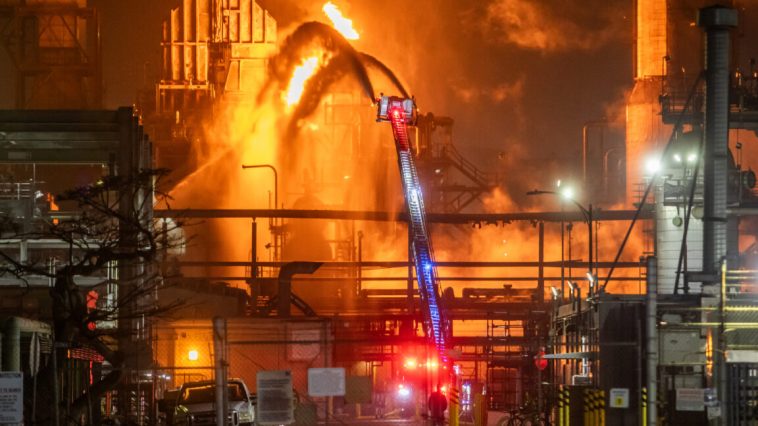
The Lingering Spectre of Hydrofluoric Acid: A Warning Reemerges Amidst Deregulation
In 2018, physicist Ronald Koopman presented to a Southern California Air District meeting on what might have seemed an esoteric subject: the complex dynamics of hydrofluoric acid (HF) dispersion and water mitigation. Yet, this highly specialized scientific discussion has gained alarming relevance in today’s shifting regulatory landscape, highlighting persistent dangers that demand urgent attention.
The Perilous Nature of Hydrofluoric Acid
Hydrofluoric acid, also known as hydrogen fluoride, is an indispensable chemical in numerous industrial processes. It is vital for manufacturing a wide array of materials, from refrigerants and gasoline to fluorine-based pesticides and high-performance fluoropolymers like Teflon. However, its industrial utility belies its extreme hazard. HF is renowned as one of the most corrosive and dangerous chemicals known to humankind, capable of causing severe burns, systemic toxicity, and even death upon contact or inhalation due to its unique ability to penetrate tissue and leach calcium from bones.
A History of Caution: Koopman’s Early Warnings
Koopman’s critical work dates back to the 1980s, where his experiments meticulously investigated the potential for deadly accidents involving HF. His research illuminated the catastrophic consequences of uncontrolled releases, particularly concerning the formation and spread of dense, highly toxic gas clouds. These pioneering studies served as a foundational warning to industries and regulators, underscoring the imperative for robust safety protocols and emergency response planning to mitigate the profound risks associated with handling such hazardous materials.
Regulatory Landscape and Rising Risks
The enduring lessons from Koopman’s research are now facing unprecedented challenges. With federal administrations increasingly inclined to roll back established rules designed to protect both workers and surrounding communities from catastrophic industrial chemical releases, the margin for error is shrinking. Compounding this concern, recent analyses indicate a troubling rise in the frequency of chemical accidents across the nation. This confluence of deregulation and increasing incidents injects a new and critical urgency into Koopman’s decades-old warnings about highly hazardous materials, suggesting that lessons learned may be dangerously forgotten.
Future Implications and the Path Forward
The potential future implications of relaxed chemical safety oversight are stark. A weakened regulatory framework risks not only a surge in industrial accidents but also long-term environmental damage and significant public health crises. Communities living near industrial facilities face elevated risks, potentially leading to tragic loss of life, chronic illnesses, and immense economic burdens from emergency responses and clean-up operations.
To avert these grave outcomes, a proactive and renewed commitment to chemical safety is essential. This includes strengthening regulatory enforcement, investing in advanced risk management technologies, and ensuring transparency regarding chemical inventories and safety plans for local communities. The insights from scientists like Ronald Koopman must serve as a perpetual reminder that vigilance, robust scientific understanding, and stringent safety standards are not bureaucratic hurdles, but indispensable safeguards for our collective well-being.
#TrendingNow #Innovation #TechNews #DailyVlog #FitnessMotivation #TravelGoals #FoodieLife #FashionInspiration #DigitalMarketing #AIRevolution #WorkFromHome #SelfCare
Artificial Intelligence, Cloud, Cybersecurity