Landmark Supreme Court Ruling Bolsters Digital Privacy Against Geofence Warrants
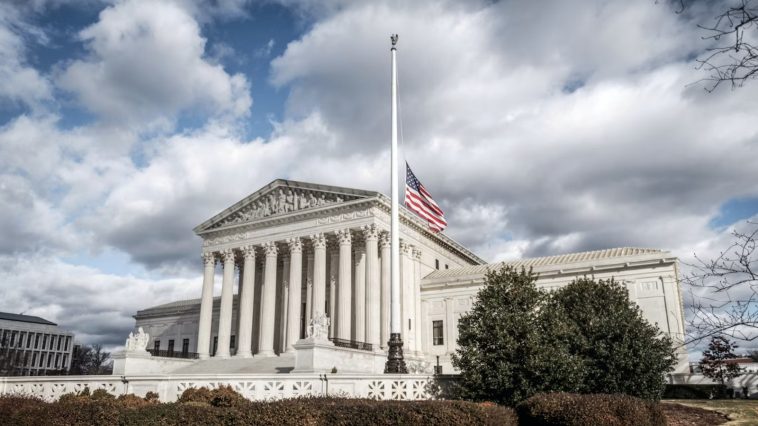
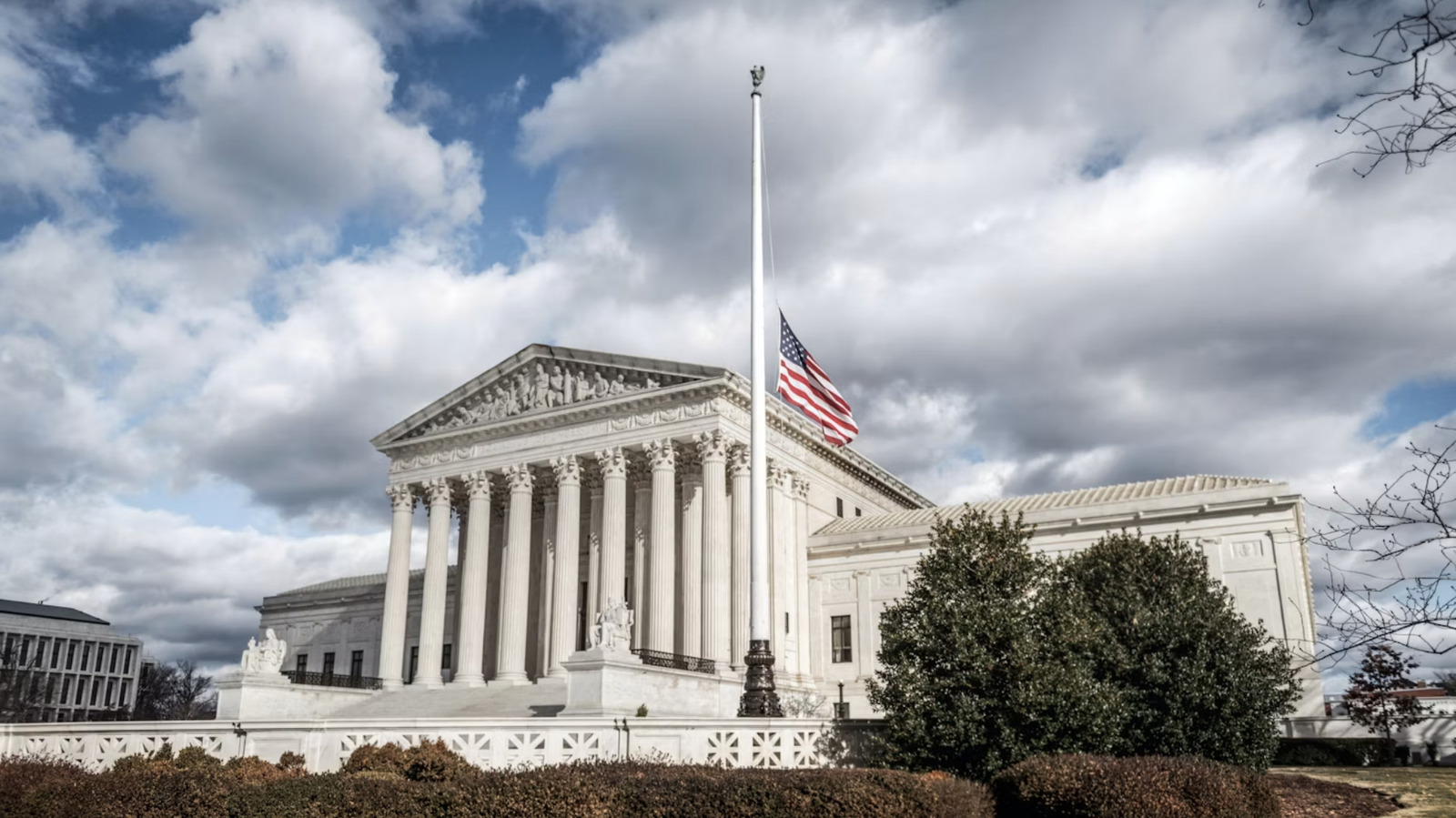
In a pivotal decision safeguarding individual privacy in the digital age, the U.S. Supreme Court has significantly curtailed the use of “geofence warrants” by law enforcement agencies, declaring them subject to stringent Fourth Amendment protections. This ruling marks a substantial victory for privacy advocates and establishes a clearer boundary for government access to highly sensitive location data.
The 6-3 majority opinion, penned by Justice Elena Kagan, affirmed that individuals possess a “reasonable expectation of privacy” in their cellphone location information. This assertion directly challenges the previous, more expansive interpretations of law enforcement’s ability to broadly sweep up digital footprints. The Court found that geofence warrants, in their previous form, violated the Fourth Amendment’s fundamental prohibition against unreasonable searches and seizures.
Understanding Geofence Warrants and Their Scope
Geofence warrants represent a relatively new, yet increasingly common, investigative technique. They enable police to compel tech companies to disclose location data for all devices that were within a specified geographic area (“geofence”) during a particular timeframe, often in the vicinity of a crime scene. Unlike traditional warrants that target a known suspect, geofence warrants operate in reverse, casting a wide net to identify potential suspects from a pool of individuals who simply happened to be in a certain place at a certain time.
Prior to this ruling, critics argued that this method constituted an unconstitutional “fishing expedition,” allowing government entities to “search first and develop suspicions later.” The broad nature of these warrants meant that potentially millions of innocent users could have their private movements scrutinized without any prior indication of wrongdoing, raising profound civil liberties concerns.
The Catalytic Case: Chatrie v. United States
The Supreme Court’s decision arose from Chatrie v. United States, a case stemming from a 2019 bank robbery in Virginia where $195,000 was stolen. With leads exhausted, detectives served Google with a geofence warrant, requesting location data for cellphone users near the bank during the hour surrounding the crime.
Google, while initially providing data on 19 individuals, eventually narrowed its disclosure to three, one of whom was Okello Chatrie. Chatrie subsequently confessed to the robbery. However, his legal team challenged the geofence search, arguing that it violated his Fourth Amendment rights by indiscriminately searching millions of users who had no connection to the crime.
Implications for Law Enforcement and Digital Providers
Moving forward, law enforcement will be mandated to obtain a conventional search warrant, supported by probable cause, before compelling tech companies to release geofence location data. This critical shift establishes a higher legal threshold, ensuring that such intrusive data collection is justified by specific evidence linking individuals to criminal activity, rather than mere proximity.
For technology companies, this ruling likely necessitates a re-evaluation of how they store, manage, and respond to law enforcement requests for user location data. The decision underscores the responsibility of these platforms to protect user privacy as a fundamental right, moving beyond the government’s prior argument that individuals implicitly waive privacy by choosing to use geotracking services. This could lead to a push for more transparent data retention policies and stronger user controls over location sharing.
The Future of Digital Privacy
This landmark ruling signifies the Supreme Court’s acknowledgment that digital location data is not merely incidental information but a deeply revealing “personal journal of one’s movements.” It reinforces the principle that constitutional protections must evolve with technology, applying to our digital footprints with the same rigor as our physical spaces.
While the ruling’s impact on past cases utilizing geofence warrants remains to be fully determined, it is not expected to alter Chatrie’s individual sentence. Nevertheless, this decision paves the way for greater scrutiny of other forms of digital surveillance and bulk data collection. It sets a crucial precedent, empowering individuals with stronger defenses against indiscriminate government intrusion into their private digital lives and forcing a more deliberate, constitutionally compliant approach to criminal investigations in the networked era.
#Innovation #Tech #Future #AI #Digital #Marketing #SocialMedia #Trending #Explore #Community #Success #Inspiration
Artificial Intelligence, Generative AI, Cloud