
The Ancient Mariner’s Riddle: Climate Clues to Polynesia’s Grand Expansion
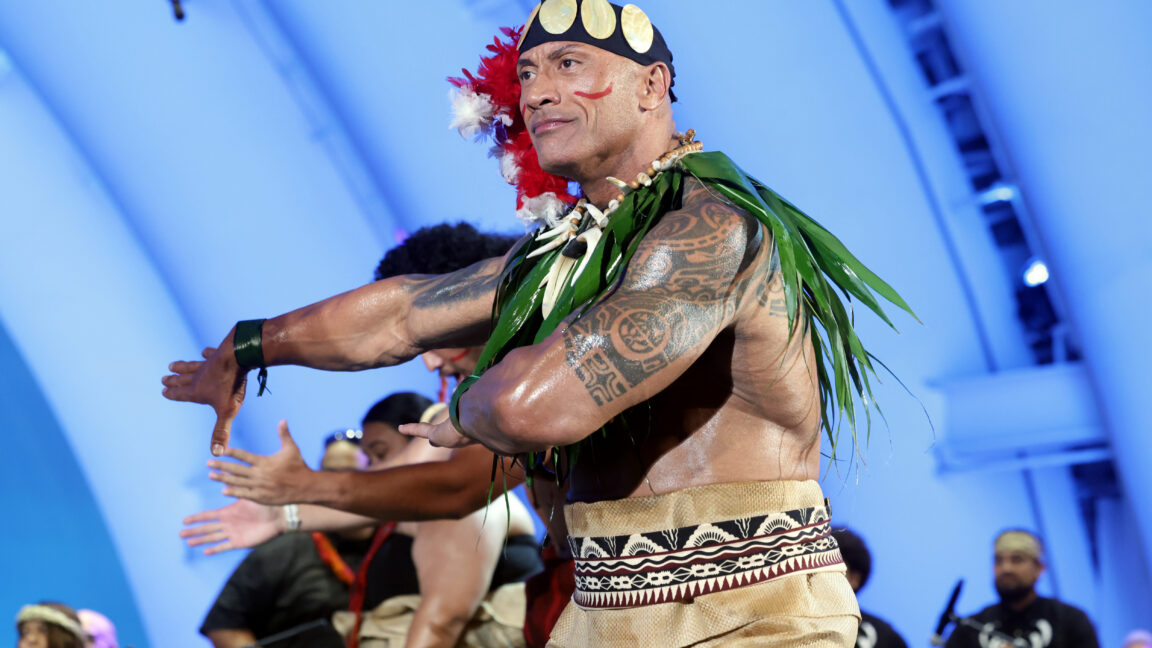
The epic tale of Moana, soon to captivate audiences in its live-action adaptation, echoes a profound question that has long puzzled archaeologists and historians: what compelled Polynesian navigators, after centuries of settled existence, to embark on an unprecedented wave of exploration, settling islands thousands of kilometers across the vast Pacific Ocean? This isn’t merely a cinematic plot device; it’s one of humanity’s most compelling mysteries.
Centuries of Stability, Then Rapid Expansion
For a significant period, Polynesian societies flourished within established island networks, developing rich cultures and sustainable practices. Their exceptional seafaring skills were undoubtedly present, yet the impetus for large-scale, long-distance voyaging seemed dormant. Then, around 800 CE, a dramatic shift occurred.
A remarkable surge in exploration saw these master mariners push the boundaries of the known world, populating remote islands from Hawaii in the north to Rapa Nui (Easter Island) in the east, and Aotearoa (New Zealand) in the southwest. This era represents one of the most audacious and successful migrations in human history, fundamentally reshaping the demographic and cultural landscape of the Pacific.
Unveiling the Climate Connection
While the “why” has remained elusive, new climate evidence is beginning to shed light on this extraordinary period of human endeavor. Emerging research suggests that shifts in climatic patterns, potentially encompassing changes in prevailing winds, ocean currents, and localized resource availability, may have played a pivotal role in triggering these voyages.
Such environmental pressures could have made longer-distance exploration not just feasible, but perhaps even necessary. Favorable wind and current conditions might have opened new navigational windows, while resource scarcity or population growth on existing islands could have provided a strong incentive to seek new lands. This interdisciplinary approach, marrying archaeology with palaeoclimatology, promises to unlock deeper understanding.
Navigational Innovation: A Legacy Reimagined
Beyond the environmental triggers, we must acknowledge the sheer technological and intellectual prowess of these ancient voyagers. Their deep understanding of celestial navigation, wave patterns, and sophisticated double-hulled canoes represented an pinnacle of maritime engineering. This wasn’t mere chance; it was a testament to generations of accumulated knowledge and innovation.
The ability to accurately navigate vast expanses of open ocean, often against prevailing currents, speaks volumes about their scientific method and observational skills. Their achievements offer a compelling narrative of human ingenuity, demonstrating how complex challenges can be overcome with a combination of technological advancement and deep environmental knowledge.
Lessons for a Changing World
Understanding the drivers behind the Polynesian expansion holds significant relevance in our contemporary world. As we grapple with global climate change and its potential impact on human migration and resource distribution, this historical precedent offers invaluable insights into human resilience and adaptation.
The Polynesian experience reminds us that environmental shifts can be powerful catalysts for societal change and innovation. By studying how ancient cultures responded to profound ecological transformations, we gain a fresh perspective on our own challenges and the enduring human spirit of exploration and self-determination.
#TrendingNow #ExplorePage #ViralContent #InstaDaily #MotivationMonday #GoodVibes #LifeHacks #TechTips #FashionStyle #TravelGram #FoodieAdventures #HealthyLiving
Artificial Intelligence, Cloud, Cybersecurity