London’s Lift House: A New Blueprint for Founder Success Beyond Silicon Valley’s Hustle
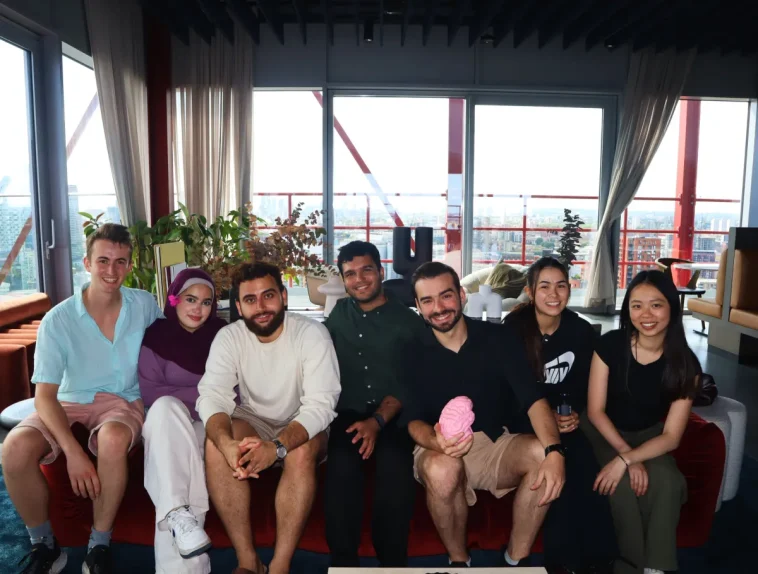
East London is quietly nurturing a radical new vision for startup culture, embodied by the “London Island Founder House,” or “Lift House.” This innovative co-living and co-working space, home to six ambitious twentysomething founders, represents a conscious departure from the intense, often unsustainable, hustle culture synonymous with Silicon Valley hacker houses. Here, the emphasis is on a “holistic improvement in life” rather than a relentless pursuit of the next Demo Day.
The Lift House, strategically located in a vibrant East London development overlooking the water, launched in March and quickly attracted its initial residents, including its founder, Rowan Aldean, 26, and his wife, Zahraa, 22, an aspiring pharmaceutical research PhD candidate. Aldean, who successfully exited his previous company last year, now leads an applied AI startup, helping enterprises deploy intelligent agents. This move highlights a growing trend among experienced founders to cultivate environments that foster sustainable innovation.
Londonmaxxing: The Rise of a Balanced Ecosystem
Lift House is a physical manifestation of “Londonmaxxing,” a nascent movement where founders optimize for the unique advantages of the London tech scene. This ecosystem, while equally ambitious in its pursuit of success and market domination, cultivates an environment less prone to the “startup bro” theatrics and exhausting 72-hour sprints often reported in San Francisco. Aldean points to DeepMind, a London-based AI powerhouse, as an example of an entity that achieved Nobel-prize-winning innovations without the fanfare.
London’s tech landscape, particularly in Artificial Intelligence, is experiencing an unprecedented boom. In 2026 alone, London AI startups have raised a staggering $12 billion, contributing to the city’s total of $14.7 billion in startup funding. This influx of capital has fueled the growth of six companies that have each secured over $500 million, including industry leaders like Wayve, Superintelligence, ElevenLabs, Recursive, Ineffable Intelligence, and Isomorphic Labs — three of which boast DeepMind alumni among their founders. This vibrant growth inspires a new generation of founders, like those at Lift House, to pursue groundbreaking ideas within a supportive, yet demanding, ecosystem.
Cultivating Holistic Well-being Alongside Ambition
Unlike the rigid, singular focus often found in other founder accommodations, Lift House prioritizes a flexible, balanced approach. Residents manage their own groceries and cooking, frequently sharing meals, and collectively handle cleaning duties. While rent details remain private, the communal aspect fosters a strong sense of shared responsibility and camaraderie. This contrasts sharply with the “996” work culture (9 am to 9 pm, 6 days a week) sometimes associated with high-pressure startup environments.
A cornerstone of Lift House’s philosophy is the integration of well-being practices. David Amor, 28, who leads a brain coaching company, introduced a Sunday journaling session. This practice encourages residents to reflect on their time spent in nature, dietary habits, and physical activity, ensuring a conscious effort towards personal health. Luke, 27, an AI-marketing entrepreneur, attests to the positive impact, noting improved eating habits, increased exercise, and better sleep since moving in. Beyond individual routines, Tuesdays are dedicated to team volleyball in a local league, fostering teamwork and physical activity outside of work.
Evenings often feature collaborative leisure activities. Wan Ying L, 25, an ex-AI startup professional exploring new ventures, frequently plays the piano, while other residents might engage in board games like Catan or explore London’s rich cultural offerings, such as art exhibitions. Presence Plumb, 25, a tech strategist, frequently hosts diverse rooftop dinner parties, bringing together founders, researchers, investors, and operators for engaging discussions on tech trends and investments, all while showcasing the house’s international culinary flair. This emphasis on a varied social life underscores the belief that a well-rounded individual is a more effective founder.
The Nuances of the British Tech Identity
The daily routines at Lift House illustrate a striking divergence from Silicon Valley norms. While some residents, like David Amor, maintain disciplined morning rituals involving cold showers for dopamine boosts, others, like Rowan Aldean, embrace later starts unless critical events demand otherwise. This flexibility underscores a key difference in the British tech identity – a cultural aversion to performative hustle. Aldean jokingly suggests the prevalence of tea over filtered coffee is a distinctly British trait.
More profoundly, British founders grapple with different pressures. They navigate a cultural inclination towards humility and a perceived “tall poppy syndrome,” where overt displays of success can attract criticism. This contrasts with the often-extroverted self-promotion prevalent in the US. London’s ecosystem, according to Luke, offers a robust network, ample early-stage capital via initiatives like SEIS/EIS tax relief, and a crucial option for a life beyond the tech bubble – mirroring New York’s cultural diversity more than San Francisco’s singular focus. The U.K. government’s SEIS/EIS schemes, in particular, incentivize angel investments into local startups, providing a vital alternative to traditional venture capital for early-stage companies.
Furthermore, Aldean observes that the London ecosystem is less prone to the cutthroat gossip and competitive posturing he experienced in the Bay Area. London startups often target large, established corporations rather than exclusively selling to other startups, fostering an environment where authentic product value takes precedence over peer validation. Varun, Luke’s co-founder, adds that while closing customers in the U.K. might be harder, these relationships tend to be more enduring, reflecting a preference for long-term engagement.
The Transatlantic Pull: Opportunities and Challenges
Despite London’s burgeoning appeal, the siren song of the US market remains potent for many British startups. The UK offers access to top-tier talent from institutions like Oxford and Cambridge and a convenient time zone for collaboration across Europe, the Middle East, Asia, and parts of North America. However, the US provides unparalleled access to the world’s largest economy and a significantly deeper pool of investors willing to write substantial checks across all funding stages.
This dynamic often creates a “factory line” trajectory for startups: launch and grow in the UK, then expand to the US. The pressure to relocate is palpable, with some US investors making funding conditional on founders moving across the Atlantic – a common practice that Luke and Varun have personally encountered as they expand their AI-marketing company into the US. This ongoing brain drain presents a significant challenge for the European tech ecosystem, as echoed by tech strategist Presence Plumb.
The Future of Founder Living in London
The Lift House, with a year remaining on its lease, embodies a commitment to long-term community building. It stands apart from more transient hacker house models, such as the Solana Hacker House series or global co-living chains like The Residency and BaseJump, which are also making inroads into London. While previous attempts, like “The London Founder House,” prioritized an intense, work-life-unbalanced approach, Lift House distinguishes itself by screening prospective residents for hobbies outside of work and an interest in fitness.
This commitment to holistic development is central to the “Londonmaxxing” promise: that founders can achieve professional success without sacrificing personal well-being. Aldean encapsulates this ethos, stating, “The culture is to build something that lasts, not necessarily burn out chasing a flash.” As London’s tech scene matures and differentiates itself from Silicon Valley, initiatives like Lift House offer a compelling vision for a more sustainable, balanced, and ultimately more impactful future for global innovation.
#TrendingNow #ExplorePage #ViralContent #InstaDaily #Motivation #GoodVibes #Inspiration #Lifestyle #Fashion #Travel #Fitness #Tech
Generative AI, Cloud, Cybersecurity