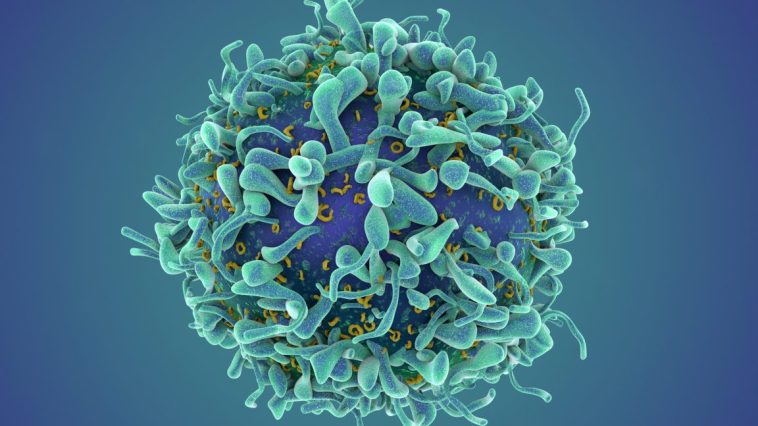
CAR T-Cell Therapy: A Paradigm Shift for Autoimmune Disease Sufferers
The landscape of medicine is on the cusp of a profound transformation, particularly for those battling debilitating autoimmune conditions. While originally heralded as a breakthrough in oncology, Chimeric Antigen Receptor (CAR) T-cell therapy is now demonstrating remarkable potential in reprogramming the immune systems of patients with diseases like multiple sclerosis, offering a beacon of hope where conventional treatments often fall short.
A Personal Battle Against MS: Janisch-Hanzlik’s Breakthrough
For individuals like Jan Janisch-Hanzlik, 49, multiple sclerosis (MS) had relentlessly eroded her quality of life. Her once active nursing career gave way to a desk job, and the fear of falls prevented her from holding her grandchildren. The looming necessity of a full-time wheelchair even prompted a move to a larger residence. Despite exhausting the best available medications, her symptoms showed no signs of improvement, fueling a desperate search for alternatives.
It was this relentless pursuit that led her to the University of Nebraska Medical Center in Omaha, where she learned of a pioneering CAR T-cell therapy trial. Her determination was unwavering, leading her to consistently contact the clinic until she was enrolled as their inaugural patient for this innovative treatment for MS. This compelling personal journey underscores the urgent need for more effective, potentially curative therapies in the autoimmune space.
From Cancer Slayer to Immune System Reset
CAR T-cell therapy, a marvel of modern immunotherapy, was initially engineered to combat aggressive cancers by genetically reprogramming a patient’s own immune cells to specifically target and eliminate malignant cells. This groundbreaking approach has revolutionized the treatment of various blood cancers by weaponizing T-cells to identify and destroy cancerous cells expressing particular antigens, such as CD19.
Now, this potent technology is being strategically repurposed. In hundreds of clinical trials globally, CAR T is being investigated for its potential to treat a wide array of autoimmune conditions, including lupus, Graves’ disease, and vasculitis, in addition to multiple sclerosis. The underlying principle is to mimic its success in oncology by targeting and eradicating autoreactive immune cells—specifically B cells that mistakenly attack healthy tissues—thereby “resetting” the body’s immune defenses to a pre-disease state. This mechanism aims to disrupt the self-sustaining cycle of autoimmunity, potentially leading to long-term, drug-free remission.
The Promise of a New Frontier in Autoimmune Treatment
This pivot of CAR T-cell therapy represents a monumental shift from merely managing symptoms to potentially offering a cure for complex autoimmune disorders. Traditional treatments often involve broad immunosuppressants or monoclonal antibodies that carry significant risks, including infections and organ toxicity, and rarely achieve sustained remission. The initial observations from clinical trials in autoimmune diseases are highly encouraging, with reports of sustained drug-free remission in patients with severe, treatment-refractory lupus.
Moreover, early safety data for CAR T in autoimmune settings suggests a potentially more favorable profile compared to its use in oncology. While side effects like cytokine release syndrome (CRS) and neurotoxicity can occur, they have generally been observed to be milder in autoimmune cohorts. This reduced severity is a crucial factor that could pave the way for broader application and acceptance of this therapy.
Navigating Future Implications and Lingering Challenges
While the prospects are exhilarating, the path forward for CAR T-cell therapy in autoimmune diseases is not without its complexities. A primary concern remains the confirmation of long-term safety and durability, which will necessitate larger, controlled clinical trials and extended follow-up periods. A predictable on-target effect of CD19-targeted therapy is B cell aplasia, which, while intended, requires careful management.
The current generation of CAR T therapies often employs a broad targeting approach, such as CD19, to eliminate a wide range of B cells. However, future innovations are focusing on developing more refined CAR designs. Next-generation strategies include dual-target CARs and those designed to recognize disease-specific autoantigens, which could potentially minimize off-target effects and enhance therapeutic precision.
Accessibility and cost present significant hurdles to widespread adoption. CAR T-cell therapy is incredibly expensive, with treatment costs estimated to range from $400,000 to over $1,000,000 per patient. This figure often excludes substantial associated expenses for hospital stays, management of complications, and logistical costs like travel and caregiver support. Addressing these financial barriers through innovative payment models and efforts to reduce manufacturing costs will be critical to making this life-changing therapy available to more patients.
Furthermore, the manufacturing process for CAR T cells is complex and time-intensive, typically taking up to 14 days. Innovations such as “off-the-shelf” allogeneic CAR T-cell therapies, which use donor cells rather than patient-specific cells, and advanced manufacturing techniques are essential to improve scalability and efficiency for wider clinical use. Careful patient selection, prioritizing those with treatment-resistant disease and minimal organ damage, is also a vital consideration to maximize therapeutic benefit and minimize risks.
A New Horizon for Chronic Illness
The journey of CAR T-cell therapy, from an oncology breakthrough to a promising treatment for autoimmune diseases, signifies a monumental leap in our understanding and manipulation of the immune system. As research progresses and these challenges are systematically addressed, we stand at the precipice of a new era in medicine, one where chronic autoimmune conditions that once stole freedom and vitality could be met with therapies offering not just relief, but the profound possibility of a true immune reset and lasting remission.
#TrendingNow #ExplorePage #Viral #ForYou #InstaDaily #Love #Motivation #Inspiration #GoodVibes #LifeHacks #Photography #Travel
Artificial Intelligence, Cloud, Cybersecurity