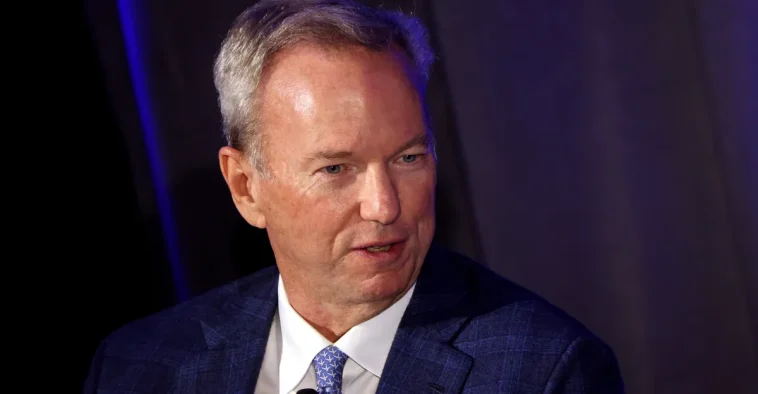
The AI Divide: Eric Schmidt’s Commencement Confrontation
Former Google CEO Eric Schmidt recently faced a stark reality check during his commencement address at the University of Arizona. As his speech shifted towards the transformative potential of Artificial Intelligence, he was met with a chorus of boos from the graduating class. This palpable discontent underscores a growing chasm between tech leaders and a generation bracing for an uncertain future, where AI is seen as both a promise and a threat to their careers.
The incident wasn’t isolated; it reflects a broader societal anxiety surrounding AI’s rapid ascent. For many graduates entering an increasingly precarious job market, the promises of technological advancement are overshadowed by very real fears of job displacement and economic disruption. The boos served as a potent symbol of this generational unease, a direct challenge to the often-optimistic narrative propagated by Silicon Valley.
Acknowledging Anxiety, But Failing to Bridge the Gap
Schmidt, to his credit, acknowledged the graduates’ anxieties, calling their fears “rational.” He recognized concerns that “the machines are coming, that the jobs are evaporating, that the climate is breaking, that politics are fractured, and that you are inheriting a mess that you did not create.” However, a noticeable frustration permeated his demeanor as he implored the audience to let him articulate his full perspective.
While acknowledging these deeply held fears is a crucial first step, it proved insufficient to quell the audience’s skepticism. The graduating class, poised at the precipice of their professional lives, appeared to seek more than mere validation of their worries; they sought reassurances or actionable insights that Silicon Valley, in its current posture, often struggles to provide. The moment highlighted a significant communication breakdown between those shaping our technological future and those most directly impacted by it.
Silicon Valley’s “Rocketship” Mentality vs. Public Reality
Ultimately, Schmidt urged graduates to embrace the technological tide, famously stating, “When someone offers you a seat on the rocketship, you do not ask which seat, you just get on.” Such a sentiment is hardly surprising from a figure who, as recently as last year, declared AI to be “underhyped,” asserting that its most significant gains lie ahead. He contends that many fail to grasp the true scale and speed of AI’s impending changes, which will fundamentally automate businesses and redefine work.
Yet, this “rocketship” analogy, while perhaps inspiring to some, epitomizes Silicon Valley’s enduring struggle to “read the room.” It conveys an expectation of unquestioning acceptance rather than an invitation to a collaborative, ethically guided journey. Public opinion is demonstrably shifting, with surveys indicating that approximately half of Americans are more concerned than excited about AI. As companies continue to integrate AI into every facet of life, often without robust public dialogue or clear ethical guardrails, the risk of exacerbating this trust deficit only grows, potentially inviting increased regulatory scrutiny and resistance. The challenge for tech leaders moving forward will be to transcend this insular mentality and genuinely engage with the societal implications of their innovations, fostering a future where progress is inclusive and benefits all, not just those on the “rocketship.”
#TrendingNow #Innovation #TechLife #FutureIsNow #AIRevolution #DigitalTransformation #SmartSolutions #NextGen #ExplorePage #MustWatch #GameChanger #ViralContent
Artificial Intelligence, Cybersecurity, Cloud