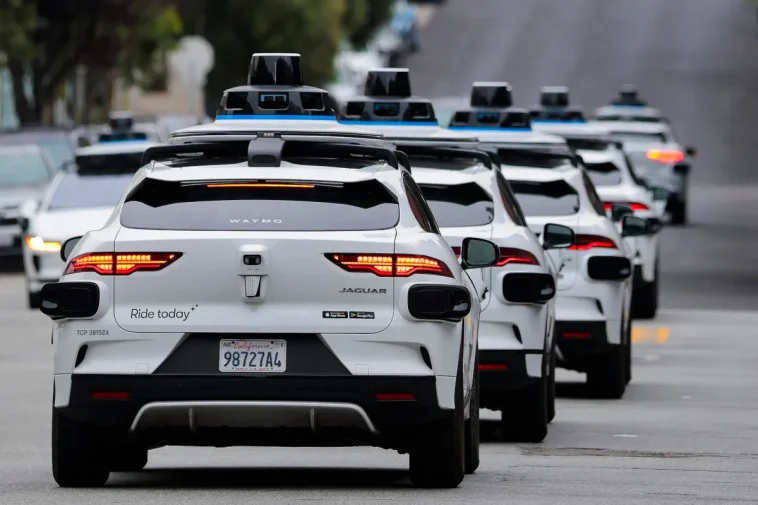
The Shifting Tides of Autonomous Mobility: Rivalries Intensify and Regulations Evolve
The autonomous vehicle (AV) industry is experiencing a seismic shift, marked by the dissolution of strategic alliances and a heightened focus on regulatory compliance. As the promise of fully autonomous transport inches closer, underlying tensions among key players are surfacing, demanding a new level of maturity and accountability from developers.
Uber and Waymo: A Partnership’s End and the Looming Battle
The recent termination of the Uber-Waymo robotaxi partnership in Phoenix signals a significant turning point in the competitive landscape of autonomous ride-hailing. While agreements in Atlanta and Austin persist for now, their expiration appears inevitable, paving the way for direct competition. This uncoupling suggests a strategic pivot from collaboration to aggressive market rivalry.
The initial thinly veiled criticisms from Uber executives are expected to escalate into more overt actions once the remaining partnerships conclude. A key battleground will undoubtedly be policy advocacy, as both companies vie for favorable operating conditions and expanded access in lucrative urban markets. This shift could lead to intense lobbying efforts and public relations campaigns aimed at shaping regulatory frameworks in their favor.
NHTSA’s Firm Stance on Emergency Response
A critical development on the federal stage saw National Highway Traffic Safety Administration (NHTSA) administrator Jonathan Morrison issue a stern directive to autonomous vehicle developers. Morrison declared that AVs interfering with first responders or law enforcement is “unacceptable” and represents a “functional insufficiency.” This statement underscores a growing impatience from regulators regarding the industry’s progress in handling complex, real-world scenarios.
Morrison’s “call to action” to immediately rectify these issues, despite not naming specific companies, resonated particularly with Waymo. The company, operating the largest robotaxi fleet in the U.S. across cities like Los Angeles, Phoenix, and San Francisco, has faced numerous documented incidents involving emergency vehicles. Recent events, such as a widespread gridlock during a San Francisco July 4th celebration where multiple Waymo robotaxis reportedly ran out of power and required towing, further highlight these operational challenges. This incident prompted a local inquiry into AV impact on public transit and emergency services, demonstrating the increasing local scrutiny.
While Morrison’s letter carries significant weight, the long-term consequences for AV developers remain uncertain. NHTSA has demanded proposed “solutions” by the end of the month, indicating a decisive move towards enforcing higher safety and operational standards. This could lead to stricter operational permits, potential fines, or even a reevaluation of deployment strategies for companies failing to meet these critical safety benchmarks. The industry must demonstrate robust, reliable responses to emergency situations to maintain public trust and regulatory approval.
Federal Regulations Paving the Way for Future AVs
Beyond immediate operational concerns, the broader regulatory environment is also evolving. The recently updated 2026 Regulatory Plan and Unified Agenda from the Department of Transportation outlines proposed changes to Federal Motor Vehicle Safety Standards (FMVSS). These revisions could significantly impact companies like Tesla and Zoox, which are developing purpose-built autonomous vehicles that eschew traditional human controls such as steering wheels and pedals.
The proposed modifications signal a proactive approach by federal regulators to accommodate the next generation of truly driverless vehicles. This could streamline the path to market for innovative designs, accelerating the deployment of vehicles fundamentally different from those designed for human operation. However, it also raises questions about ensuring safety and interoperability in a mixed-autonomy traffic environment.
Rivian’s Strategic Capital Infusion
In the dynamic electric vehicle (EV) market, Rivian recently announced a significant capital raise, securing $1.32 billion through the sale of 86.25 million Class A common shares. This substantial influx of capital arrives at a pivotal moment for the EV manufacturer, which recently commenced deliveries of its new R2 SUV and boosted its 2026 sales forecast. The revised forecast, now projecting 65,000 to 70,000 vehicle deliveries, reflects strong quarter-over-quarter growth in its EDV and R1 lines, augmented by the R2 launch.
While Rivian did not explicitly state the reasons for the capital raise, its status as a company not yet achieving profitability, coupled with the immense costs associated with scaling vehicle production, suggests a strategic move to fortify its financial position. This ensures sustained investment in manufacturing capacity, technological development, and market expansion amidst fierce competition in the rapidly evolving EV sector. The raise provides crucial runway for Rivian to solidify its market share and continue its aggressive growth trajectory.
Notable Deals and Industry Innovations
The week also saw several other significant developments across the mobility sector:
- Bidbus, a Los Angeles-based startup specializing in a digital marketplace for car dealers, successfully raised $15 million in a Series A funding round. This investment, led by Ibex Investors, highlights the continued digitization of the automotive retail experience.
- Lyft announced its intent to acquire Serveo’s bike-share operations in Spain, signaling its continued expansion into micromobility solutions within international markets. This strategic move aims to diversify its transportation offerings and strengthen its presence in the European urban mobility landscape.
- U.K. battery startup TaiSan secured £4.65 million in seed funding. This investment, co-led by Eos Advisory and the Midlands Engine Investment Fund II, underscores the growing interest and capital flow into next-generation battery technologies, particularly sodium-ion, as the industry seeks alternatives to lithium-ion for broader applications.
Industry Tidbits: From Data Breaches to Drone Deliveries
Beyond the headlines, several smaller but impactful stories shaped the week:
- AssuranceAmerica, a U.S. insurance provider, disclosed a data breach affecting 6.9 million individuals, marking the largest known compromise of American driver’s license information this year. This incident serves as a stark reminder of the escalating cybersecurity risks in a data-rich industry.
- Beta Technologies, an electric vertical takeoff and landing (eVTOL) developer, completed operational flights under the U.S. Department of Transportation and Federal Aviation Administration’s new eVTOL Integration Pilot Program. These flights, covering 275 nautical miles across Virginia and Maryland, represent a critical step in demonstrating the operational viability and integration of eVTOL aircraft into national airspace.
- The enduring fascination and divisiveness surrounding Tesla CEO Elon Musk led to the creation of two new anti-Elon exchange-traded funds, demonstrating how public sentiment can directly influence financial product innovation.
- GM’s Chevrolet brand has launched an all-American EV truck, yet its sales performance raises questions about consumer adoption trends and the challenges facing traditional automakers in the electric transition.
- Ireland-based autonomous drone delivery startup Manna Aero announced significant U.S. expansion, establishing a factory and operations center in Tulsa, Oklahoma, with plans to create 1,000 jobs. This move highlights the accelerating commercialization of drone logistics and its potential for regional economic impact.
- Slate Auto partnered with Crayola to offer its EV truck and SUV customers vehicle wraps in five iconic crayon colors. This innovative approach to vehicle customization leverages the unpainted composite material of Slate’s base vehicle, offering a unique personalization option in the EV market.
#TrendingNow #ViralContent #ExplorePage #ForYou #Innovation #TechTrends #DailyDose #MotivationMonday #Inspiration #LifeHacks #MustWatch #DeepDive
Artificial Intelligence, Generative AI, Cloud