Digital Mischief Grounds Transatlantic Flight: A Stark Reminder of Air Travel’s Evolving Threat Landscape
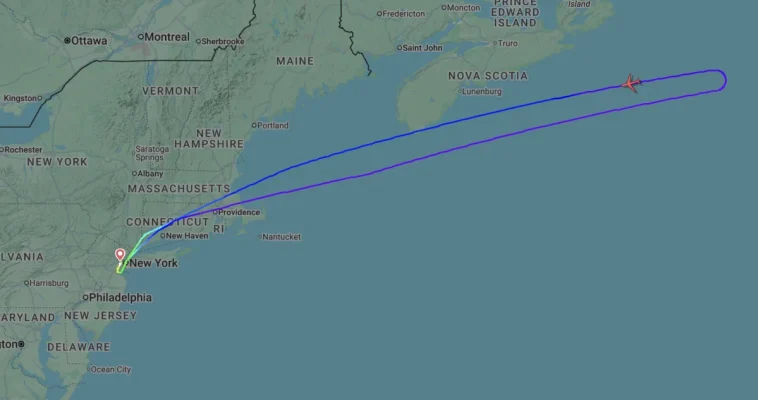
A United Airlines flight bound for Palma de Mallorca was compelled to make an abrupt mid-air U-turn just an hour after departing Newark Liberty International Airport last Saturday night. The cause: an ill-conceived Bluetooth device name that triggered a full-scale security alert, highlighting the unforeseen vulnerabilities introduced by ubiquitous personal technology in high-stakes environments.
The Unprecedented Diversion
United flight 236 was on its way to its Spanish destination when crew members initiated urgent requests for passengers to deactivate their Bluetooth devices. Reports from individuals claiming to be on board, disseminated across social media platforms like Reddit, detailed repeated warnings. The situation escalated to a one-minute ultimatum, indicating two persistent signals remained active.
The severity of the situation became clear when air traffic control recordings confirmed the root cause: a discoverable Bluetooth speaker named with a “certain four-letter word.” While not explicitly confirmed, the operational response strongly suggests the contentious nomenclature was “bomb,” prompting an immediate and extensive security protocol. This digital “prank” effectively grounded the flight, forcing its return to Newark for a thorough aircraft and cargo inspection.
Security Protocols Under Scrutiny
This incident underscores the razor-thin margins of error in aviation security and the stringent “better safe than sorry” approach mandated by regulatory bodies worldwide. In an era where digital footprints are pervasive, even a seemingly innocuous device name can be interpreted as a credible threat, necessitating a full security response. The disruption caused by a single mislabeled device led to significant operational delays, consumed considerable airline and airport resources, and undoubtedly created distress among passengers.
Aviation security, meticulously crafted and continuously refined since 9/11, is designed to err on the side of caution. Any potential threat, however remote or seemingly trivial, must be thoroughly investigated. This event serves as a stark reminder that the digital layer of security threats is increasingly complex and demands the same vigilance as physical threats.
The Digital Etiquette Imperative
Beyond the immediate security implications, this event casts a harsh light on the growing need for responsible digital citizenship, particularly within enclosed public spaces like commercial aircraft. Crew members reportedly expressed frustration, with one flight attendant commenting, “This little joke is ruining it for everyone.” This sentiment encapsulates the tangible impact of digital carelessness.
What one individual might consider a harmless jest can have far-reaching consequences, affecting hundreds of passengers, flight schedules, and airline operations. It highlights a critical gap in common understanding: the privacy and anonymity afforded by digital interactions on the ground do not extend into the tightly regulated and highly sensitive environment of an aircraft cabin. Personal device settings and names, often overlooked, can have profound security ramifications.
Navigating Future Air Travel in a Hyper-Connected World
This incident raises crucial questions about the future of personal technology use in air travel. Will airlines or security agencies implement stricter guidelines regarding device naming conventions, or even the active use of Bluetooth and Wi-Fi during flights? The proliferation of IoT devices and ever-present connectivity demands that aviation authorities and airlines revisit existing policies and passenger education strategies.
InnovationWarrior.com predicts a future where passenger awareness campaigns on digital etiquette in aviation become more prevalent, potentially complemented by technological solutions for detecting and mitigating such digital anomalies more efficiently. As our lives become increasingly intertwined with technology, the boundaries between the physical and digital spheres of security will continue to blur, necessitating a proactive and adaptive approach to safeguard air travel. Passengers, too, bear a responsibility to exercise common sense and respect the collective safety and convenience of all aboard.
#TrendingNow #Innovation #FutureIsNow #TechTrends #DailyVibes #Inspiration #Motivation #SuccessMindset #DigitalLife #AIRevolution #StayCurious #ExplorePage
Artificial Intelligence, Cloud, Cybersecurity