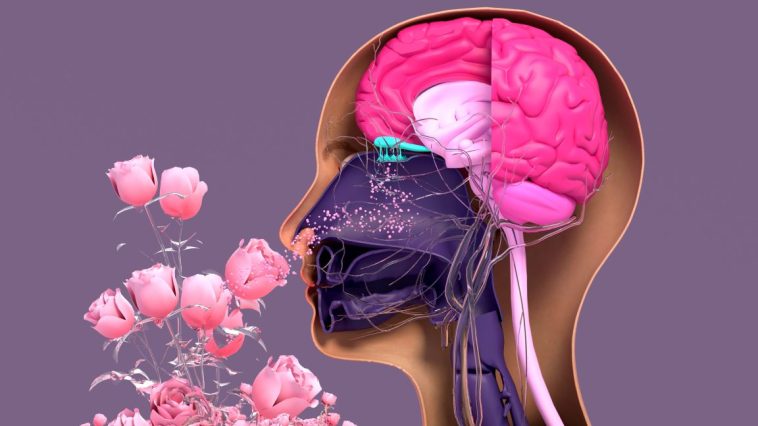
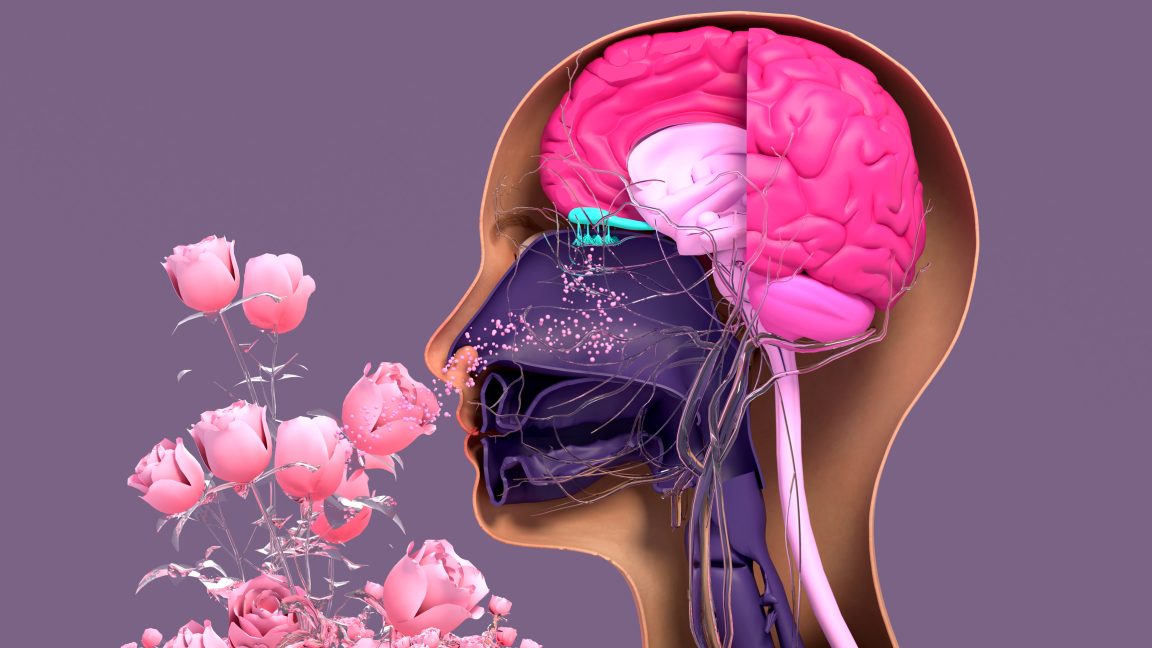
## The Silent Crisis: Living with Olfactory Loss and its Profound Impact
For Chrissi Kelly, a seemingly innocuous virus contracted during a trip to the Czech Republic some 14 years ago ushered in a devastating, life-altering change. What began as a common illness spiraled into a persistent, profound loss: her sense of smell. Despite consulting her general practitioner and an ear, nose, and throat specialist, the diagnosis of anosmia offered little comfort, accompanied by the familiar, yet dismissive, medical advice to simply “learn to live with it.”
However, for Kelly, the reality was far from manageable. “After about six months of complete loss, I was just climbing the walls, and I did not feel like myself anymore,” she recounts. Her experience underscores a critical, often overlooked dimension of human health: the indispensable role of our sense of smell in shaping our world, our safety, and our very identity.
## The Profound Impact of Anosmia
The loss of smell, whether partial (hyposmia) or complete (anosmia), extends far beyond the inability to appreciate fine wines or fragrant flowers. It strips individuals of vital safety mechanisms, like detecting gas leaks, smoke, or spoiled food, placing them in constant peril. This fundamental disconnect from environmental cues can lead to significant anxiety and a pervasive sense of vulnerability.
Beyond safety, the emotional and psychological toll is immense. Food loses its appeal, transforming from a source of pleasure into mere sustenance. Social interactions can become fraught, as the subtle olfactory cues that bind us to memories and people vanish. This profound sensory deprivation often leads to isolation, depression, and a diminished quality of life that is frequently underestimated by those who retain their sense of smell.
## A Widespread Yet Overlooked Affliction
While Chrissi Kelly’s story is personal, her struggle is remarkably common. Researchers estimate that a staggering 22 percent of the global population grapples with some form of smell impairment. This includes hyposmia (partial smell loss) and anosmia (complete smell loss), conditions that significantly alter daily existence.
Furthermore, a substantial number of individuals contend with more complex smell disorders such as phantosmia, where phantom odors emerge without an external stimulus, or parosmia, a particularly distressing condition where pleasant scents like coffee or shampoo are grotesquely distorted into highly unpleasant ones, often described as putrid or fecal. The sheer prevalence of these conditions highlights a silent epidemic that has historically resided in the shadows of public health awareness.
## The Historical Minimization of Olfactory Disorders
For too long, conditions affecting the sense of smell have been poorly understood, underdiagnosed, and, perhaps most detrimentally, minimized by the medical community. Unlike vision or hearing loss, which receive considerable attention and resources, olfactory disorders have often been relegated to a secondary status, perceived as a mere inconvenience rather than a debilitating condition.
This historical oversight stems from a combination of factors: the subjective nature of smell perception, the complexity of the olfactory system, and a general lack of specialized training among clinicians. Consequently, patients often face a disheartening journey of dismissal, with limited access to effective diagnostic tools or treatment pathways. This systemic minimization has left millions feeling isolated and unheard, struggling with a fundamental aspect of their well-being.
## Looking Ahead: Emerging Understanding and Future Implications
The landscape of olfactory research is, thankfully, beginning to shift. The global pandemic, with its widespread impact on taste and smell, inadvertently thrust these disorders into the spotlight, catalyzing unprecedented research interest and public awareness. This newfound attention is paving the way for a deeper scientific understanding of the olfactory system and its vulnerabilities.
Future implications are vast and promising. Advances in neuroimaging, genetics, and molecular biology hold the potential for more precise diagnostics, allowing for earlier intervention. Olfactory training, which involves systematically sniffing a range of distinct scents, shows promise in helping some individuals recover or improve their sense of smell. Furthermore, cutting-edge research into stem cell therapies and gene editing could one day offer revolutionary treatments for currently irreversible conditions. As our understanding evolves, it becomes increasingly clear that investing in olfactory research is not just about restoring a lost sense, but about enhancing the quality of life for millions and unlocking new insights into brain health and sensory perception itself.
#TrendingNow #Innovation #FutureIsHere #TechTrends #DailyVibes #Inspiration #Motivation #LifeHacks #Creativity #DigitalArt #Mindfulness #SuccessMindset
Generative AI, Cloud, Cybersecurity