iOS 27: Shifting Sands of iPhone Compatibility and the Dawn of Advanced Intelligence
The annual Worldwide Developers Conference (WWDC) is rapidly approaching, with Apple set to unveil its next-generation mobile operating system, iOS 27, on Monday, June 8, 2026. This highly anticipated keynote will not only showcase groundbreaking software enhancements but also define the future trajectory for millions of iPhone users globally. While ongoing updates continue to refine iOS 26, the tech community is abuzz with speculation surrounding which devices will make the cut for the impending upgrade.
Reports indicate a significant shift in compatibility, with several popular iPhone models potentially excluded from the iOS 27 upgrade path. This annual ritual of hardware attrition balances innovation with device longevity. In prior years, such as 2024, Apple maintained broad support for iOS 18. However, 2025 saw iOS 26 support discontinued for the iPhone XS, XS Max, and XR, signaling a renewed focus on newer hardware.
The Eligibility Divide: Which iPhones Will Embrace iOS 27?
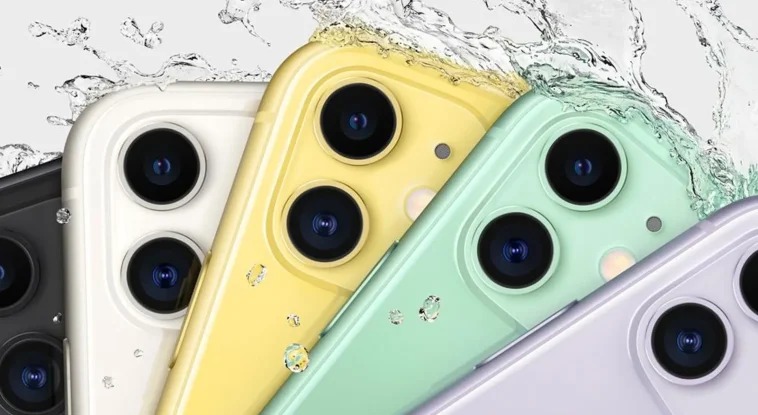
The latest industry whispers suggest a more extensive culling this year. According to 9to5Mac, iOS 27 will reportedly mandate an iPhone 12 or later for compatibility. This critical threshold means devices like the iPhone 11, iPhone 11 Pro, iPhone 11 Pro Max, and the second-generation iPhone SE are expected to be excluded from new software. The third-generation iPhone SE will also become the minimum requirement for Apple’s compact lineup.
This strategic decision by Apple underscores the increasing computational demands of modern software. As operating systems integrate more sophisticated features, especially in AI, older chipsets often struggle to deliver an optimal user experience. Consequently, the company prioritizes seamless performance across its supported ecosystem, driving innovation through hardware advancements.
The Crucial Role of Apple Intelligence
Perhaps the most compelling reason behind these increased hardware requirements lies in the advent of Apple Intelligence. This suite of advanced AI capabilities, expected to be a cornerstone of iOS 27, represents a significant leap forward in personal computing. However, these powerful features are not universally accessible. Current information indicates that Apple Intelligence will be exclusive to models from the iPhone 15 Pro and iPhone 15 Pro Max onwards.
This exclusivity suggests that the foundational architecture and processing power within the A17 Pro chip and future generations are essential for running Apple Intelligence efficiently. It effectively creates a two-tiered experience within the iOS 27 ecosystem, with premium devices unlocking the full potential of Apple’s AI ambitions. This move clearly indicates Apple’s strategic push towards AI as a primary differentiator for its flagship products, shaping the future of mobile innovation.
Navigating the Future: What This Means for Users
For owners of devices like the iPhone 11 series or the second-generation iPhone SE, the inability to upgrade to iOS 27 does not render their phones immediately obsolete. These devices will continue to function on iOS 26, receiving vital bug fixes and security patches for a foreseeable period. This ensures continued usability and protection against emerging threats, albeit without the latest feature set.
However, the lack of new feature updates limits future-proofing and can eventually lead to a fragmented user experience. Users will face a decision: continue with a functional but feature-stagnant device, or upgrade to access the latest innovations, especially Apple Intelligence. This managed obsolescence, while sometimes frustrating, is a fundamental aspect of the tech industry’s drive for continuous innovation and hardware advancement, defining the premium smartphone experience.
#TrendingNow #Innovation #TechLife #DailyMotivation #FitnessGoals #TravelInspiration #FoodieAdventures #FashionForward #ArtDaily #SustainableLiving #Mindfulness #ProductivityHacks
Artificial Intelligence, Cloud, Cybersecurity