The Enduring Frontier: How Westerns Conquered the Streaming Age
For decades, the Western genre was often relegated to the dusty annals of cinematic history, perceived by many as a relic of a bygone era. Yet, contemporary audience behavior paints a dramatically different picture, firmly refuting the notion of its demise. Rather than fading into obscurity, the Western has undergone a remarkable revitalization, establishing itself as a dominant force in the fiercely competitive streaming landscape.
Recent data from Nielsen offers compelling evidence of this resurgence. The classic series Gunsmoke, for instance, was named the most-binged series of 2025, with viewers consuming an astonishing average of 241 episodes each. This extraordinary engagement with legacy content signals a deep-seated, persistent demand that transcends generational viewing habits.
Neo-Westerns Ride High on Streaming Platforms
Beyond classic re-runs, the modern iteration of the genre, dubbed Neo-Westerns, is equally thriving. Series like 1923, Landman, and the Western-adjacent romance drama Virgin River consistently rank among the most-watched streaming originals of recent years. This remarkable performance across both heritage and contemporary titles strongly suggests that the rumors of the Western’s death have been, indeed, greatly exaggerated.
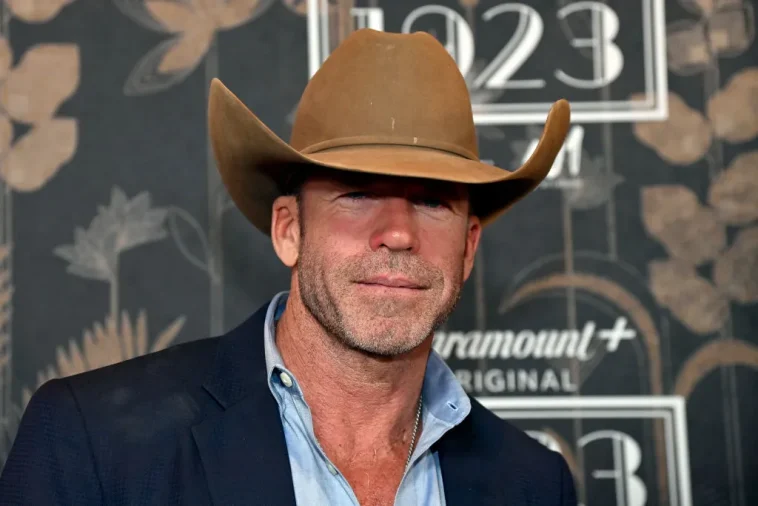
The architect behind much of this modern success is undoubtedly Taylor Sheridan, the prolific creator of the Yellowstone universe. With a sprawling portfolio that includes 1883, 1923, Mayor of Kingstown, Tulsa King, Special Ops Lioness, Lawman: Bass Reeves, Landman, The Madison, and Dutton Ranch, Sheridan hasn’t merely conjured a new audience. Instead, he has masterfully tapped into an existing, yet historically underserved, segment of viewers.
Sheridan’s Blueprint for Genre Fusion
Sheridan’s genius lies in his ability to blend the traditional hallmarks of the Western—its iconic landscapes, rugged individualism, and stark moralities—with the compelling narrative structures favored by contemporary serialized storytelling. His productions expertly weave together elements of family and dynastic drama, action, and crime thrillers. These narratives frequently explore the complex intersections of socioeconomic status, land ownership, and the eternal clash between governance and independence, all set against the dramatic backdrop of horses and firearms.
This sophisticated merging of multiple subgenres, infused with contemporary tensions, has allowed Sheridan to carve out an unassailable niche, particularly on Paramount+. His series Landman, a gritty big-oil drama, stands as Paramount+’s most-watched original to date. It secured the impressive position of the fourth most-watched streaming original of 2025 in total viewing time, trailing only global phenomena like Stranger Things, Squid Game, and Wednesday. Furthermore, both of Landman‘s initial seasons ranked among the top 10 most-watched streaming series in their respective release years, according to Luminate.
Streaming: The New Frontier for Western Narratives
Cumulatively, various audience-measurement systems confirm that Western and Neo-Western programming has emerged as one of streaming’s most dependable draws. Marshals Season 1 generated 221.6 million viewing hours, while Landman Season 2 accumulated 145 million, both ranking among the most-watched individual streaming seasons in the first half of the year. Titles such as Landman and Virgin River consistently maintain their positions among the most-watched streaming originals overall, with newer entries like The Madison and Dutton Ranch also achieving robust debuts.
The success of Yellowstone was not an anomaly but a harbinger. The genre’s ability to consistently deliver multiple massive hits simultaneously underscores its profound and evolving appeal. This phenomenon highlights how streaming platforms, with their capacity for extended narratives and binge-watching culture, provide an ideal environment for the genre to flourish. Audiences are clearly drawn to the immersive, character-driven sagas that these platforms enable.
The Power of Western Nostalgia and Modern Reimagination
The genre’s resurgence isn’t solely driven by Sheridan’s innovative approach; it also benefits significantly from the dual forces of legacy comfort and fresh original demand. The broad accessibility of older IP, such as Gunsmoke‘s extensive library on platforms like Paramount+, Peacock, and Pluto TV, offers a turnkey solution for viewers seeking comforting, lean-back entertainment. This ease of access is a key factor in the show’s revival as a major binge-watching sensation, particularly among older audiences known for their loyal viewing habits.
However, translating this legacy appeal into massive contemporary reboot success presents a nuanced challenge. Netflix’s attempt with a Little House on the Prairie reboot, for example, garnered a respectable 15.3 million U.S. TV viewership hours upon its debut, though it fell short of Netflix’s internal 20 million-hour breakout threshold. Globally, the series fared better initially, peaking at 65 million worldwide hours in its second week, but saw a sharp decline thereafter. This indicates that while nostalgia holds domestic sway, the universal appeal of specific Western themes can be more localized, suggesting enduring library viewership doesn’t always guarantee a blockbuster reboot.
The Theatrical Divide: A Shifting Battleground
The stark contrast between streaming triumphs and theatrical struggles further defines the contemporary Western landscape. Recent post-COVID Western and Western-adjacent films, including Killers of the Flower Moon, Horizon: An American Saga—Chapter 1, Cry Macho, and Eddington, collectively carried production budgets of $317 million but grossed only about $225 million worldwide. None of these individual films managed to recoup their publicly reported production costs, highlighting a significant disconnect between audience appetite and big-screen viability.
Even critically acclaimed streaming films like Netflix’s 2021 Westerns, The Power of the Dog ($39 million budget) and The Harder They Fall ($90 million), despite their praise, failed to secure a spot among Nielsen’s Top 15 movies on streaming for that year. This suggests that the format—be it episodic television or the comfort of home viewing—plays a crucial role in the genre’s success. The intimate, long-form storytelling facilitated by streaming appears to be a more natural fit for the exploration of complex characters and interwoven narratives that define modern Westerns.
The Future of the Frontier: Adaptation and Innovation
In conclusion, the Western has unequivocally not died out. Instead, it has undergone a profound evolution, redefining what constitutes a “Western” and where it can best flourish. While classic television series continue to draw substantial viewership, it is the contemporary Neo-Westerns, masterfully blending elements from diverse genres, that have emerged as particular powerhouses. These updated narratives attract top-tier talent, from seasoned veterans like Sylvester Stallone, Harrison Ford, and Jeremy Renner to acclaimed actresses Michelle Pfeiffer, Helen Mirren, and Nicole Kidman.
The evidence is clear: the small screen, with its capacity for expansive storytelling and accessible viewing, is now the primary domain where the Western genre thrives. The key question for Hollywood moving forward is whether this robust appetite can be effectively redirected back to the big screen. However, for now, the message is unambiguous: never underestimate the transformative power of a fresh perspective and innovative storytelling to reinvigorate a venerable genre. The frontier, it seems, is boundless, and its stories will continue to captivate audiences for generations to come.
#Hashtags #Engagement #SocialMedia #Marketing #DigitalMarketing #ContentMarketing #Trending #Viral #Community #Connect #Explore #Inspire
Artificial Intelligence, Machine Learning, Generative AI