The Immune System’s Hidden Hand: Unraveling the Enigma of Cancer Resistance
The human body’s resilience to disease is a perpetual source of fascination and scientific inquiry. Take Jeanne Calment, for instance, who lived for over 122 years, smoking for nearly a century, yet never developed cancer. Her extraordinary case highlights a profound mystery in oncology: why does cancer grow, spread, and become deadly in some individuals, while others, even those with significant risk factors or genetic predispositions, remain remarkably resistant? Even identical twins, sharing similar genes and lifestyles, can exhibit widely divergent cancer risks, underscoring the complexity beyond simple genetics.
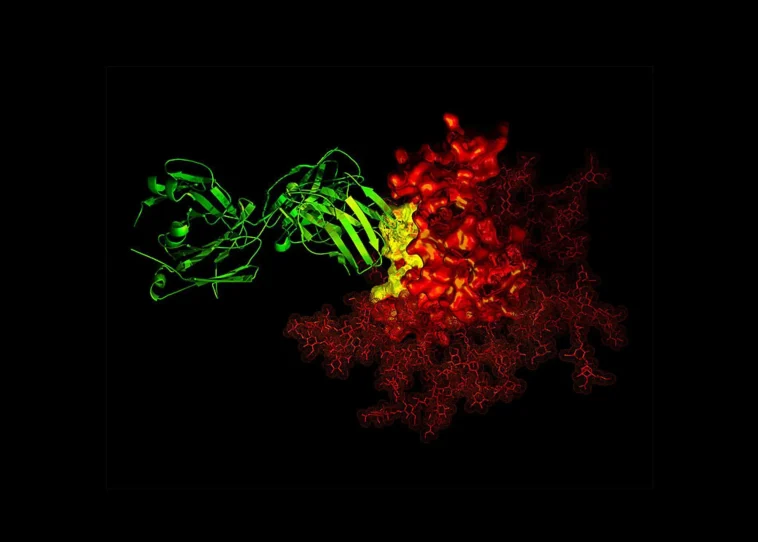
While numerous factors undoubtedly contribute to this variability, a groundbreaking new international study, dubbed ATLAS (Antibody Tracking for Long-term cancer Avoidance and Surveillance), is embarking on an ambitious quest to investigate a previously underestimated player: autoantibodies. These immune-system proteins typically patrol our bodies, tasked with neutralizing pathogens. However, autoantibodies are distinct; they mistakenly target healthy cells and tissues, historically known for their involvement in autoimmune diseases.
Intriguingly, mounting evidence suggests that autoantibodies also critically fine-tune the immune system’s response to cancer. Some appear to weaken immune surveillance, inadvertently allowing nascent tumors to sprout and flourish. Conversely, others may actively boost anti-cancer immunity by specifically tagging malignant cells for destruction. Deciphering whether these self-targeting antibodies act as friend or foe in the context of cancer is a central aim for the ATLAS researchers.
Autoantibodies: A Double-Edged Sword in Immunity
The concept of immune surveillance, the body’s natural ability to detect and eliminate abnormal cells before they become cancerous, has been a subject of scientific suspicion since the late 19th century. This foundational idea has since catalyzed the development of powerful immunotherapies. Chimeric Antigen Receptor (CAR) T-cell therapy, for example, involves genetically enhancing a patient’s own T cells to precisely recognize and eradicate tumors, leading to transformative outcomes in previously untreatable blood cancers. Similarly, a strategy leveraging macrophages—immune cells that can infiltrate and engulf tumor cells—is now progressing into early clinical trials for solid tumors.
Despite the advancements in cell-based therapies, the broader role of antibodies, and particularly autoantibodies, has received comparatively less attention. While conventional antibodies primarily combat external threats like viruses, autoantibodies are a more enigmatic class, targeting the body’s own proteins, DNA, and other molecules. Even healthy individuals harbor a diverse collection of autoantibodies, though most bind weakly and appear to have no significant biological impact.
For decades, the primary clinical utility of these proteins was in diagnosing autoimmune conditions such as rheumatoid arthritis, often appearing years before symptoms manifest. However, recent breakthroughs have unveiled their far broader influence on immune regulation. For instance, autoantibodies targeting cytokines—critical immune signaling molecules—were implicated in approximately 20 percent of COVID-19 fatalities, primarily by disabling the body’s antiviral defenses. In some cases, these autoantibodies, particularly those against type I interferons, were linked to severe, life-threatening COVID-19, even in individuals without prior autoimmune conditions. Conversely, other autoantibodies, such as those against certain chemokines, have been associated with milder COVID-19 and a reduced risk of long COVID, demonstrating their complex and sometimes beneficial roles.
These discoveries underscore a critical insight: autoantibodies can function as potent, naturally occurring immune modifiers. If they can profoundly reshape cytokine activity during viral infections and contribute to the severity or mildness of disease, then the possibility that similar antibodies could dictate an individual’s susceptibility or resistance to cancer becomes a compelling area of investigation. Autoantibodies have been recognized for their presence in many types of cancer since the 1950s, opening avenues for their use in early detection, prognosis, and monitoring. They represent an efficient biological amplification of tumor presence, often appearing in serum before other clinical signs.
Charting the Antibody Landscape: The ATLAS Initiative
Given that antibodies, including autoantibodies, can persist in the body long after exposures, they serve as a molecular chronicle of an individual’s immune history. Rather than focusing on a select few candidates, the ATLAS study is employing a comprehensive, “fishing expedition” approach. The project aims to meticulously map the body’s entire antibody repertoire, including autoantibodies, to identify specific signatures correlated with either cancer susceptibility or remarkable resistance.
This ambitious undertaking will involve meticulously cataloging both autoantibodies and conventional antibodies that directly recognize and target cancer cells. All this intricate data will be compiled into a robust “Cancer Antibody Atlas,” providing researchers with an invaluable resource to explore the multifaceted ways different antibodies influence cancer biology. This atlas promises to be a foundational tool, offering unprecedented insights into the humoral immune response in oncology.
To achieve this, the ATLAS team is strategically examining what they term “remarkable groups of people” whose unique immune profiles may hold crucial clues. These cohorts include healthy centenarians, individuals who, despite their advanced age where cancer risk typically escalates, have somehow evaded the disease. Centenarians often maintain surprisingly robust immune systems, exhibiting profiles that, in some respects, resemble much younger adults, characterized by well-preserved cytotoxic defenses.
Other key groups include individuals who have remained cancer-free despite prolonged exposure to high-risk factors like heavy smoking or drinking, or those carrying significant cancer-related gene variants such as BRCA mutations. The study also encompasses pairs of identical twins where only one sibling developed cancer, offering a powerful natural experiment to compare antibody signatures in individuals with nearly identical genetic blueprints. Furthermore, the team plans to track cancer patients before, during, and after immunotherapy treatments, aiming to precisely delineate how immune responses evolve throughout the therapeutic journey.
Towards a New Era of Predictive Oncology
Ultimately, the ATLAS researchers anticipate identifying three broad classifications of antibodies: those that promote cancer progression, those that actively hinder it, and those that appear largely neutral. Each category holds immense potential for future clinical applications.
Autoantibodies found to blunt anti-cancer immunity could become prime drug targets. Scientists might develop synthetic “decoy” antibodies to neutralize their detrimental effects, effectively fighting fire with fire. Such insights could also inspire the development of next-generation, more targeted immunotherapies, moving beyond current approaches.
Conversely, autoantibodies that actively assist the immune system in recognizing and eliminating cancers could be developed directly into novel therapies or used to complement existing treatments like checkpoint inhibitors. While checkpoint inhibitors have revolutionized cancer care, only about 20 percent of patients respond, a variability that autoantibodies might help explain and overcome. Recent research, including a landmark Nature study from July 2025, indicates that specific naturally occurring autoantibodies can significantly boost a patient’s likelihood of responding to checkpoint blockade, in some cases by five to ten-fold.
Even seemingly neutral autoantibodies could prove invaluable as highly sensitive cancer biomarkers. Given that antibody tests are already well-established, rapid, and cost-effective, these associated antibodies could facilitate earlier cancer detection, monitor treatment efficacy, or provide crucial early warnings of cancer recurrence. Their stability and persistence in serum make them ideal candidates for non-invasive screening.
A critical challenge remains in distinguishing correlation from causation; some antibodies might merely reflect a person’s immune history rather than actively influencing cancer development. To address this, the ATLAS team plans rigorous testing of promising candidates in cultured human cells and animal models to definitively ascertain their impact on cancer growth and spread. These mechanistic studies are expected to unveil previously hidden molecular dialogues between the immune system and cancer, profoundly deepening our understanding of this formidable disease.
“We should be able to come up with a biomarker to predict who is likely to avoid cancer, [and] who is likely to develop cancer,” stated Xin Lu, an ATLAS team member at the University of Oxford. The long-term vision is clear: “Potentially we could come up with therapeutic, preventative agents [that are] antibody-based. And that would be fantastic.” This ambitious endeavor promises to usher in a new era of predictive, preventive, and personalized oncology, fundamentally reshaping our approach to cancer.
#TechTrends #InnovationNation #FutureIsNow #DigitalLife #AIRevolution #GadgetGoals #SmartLiving #ExploreTech #GameChanger #NextGenTech #TechTok #MustHaveGadgets
Artificial Intelligence, Generative AI, Cloud