Navigating a Perilous Landscape: The Soaring Costs of Executive Security in Big Tech
In a rapidly evolving global landscape, the safety of senior corporate leaders has become a paramount concern, driving a significant surge in executive security expenditures across industries. The recent incident involving a Molotov cocktail thrown at OpenAI CEO Sam Altman’s San Francisco home in April underscores a disturbing trend: high-profile executives are increasingly targets of direct threats and violence. This escalating risk profile has compelled companies, particularly within Big Tech, to invest millions in comprehensive protection for their top brass.
This isn’t merely an isolated phenomenon. Data reveals a stark increase in aggressive actions against corporate executives. Threats more than doubled in 2025 compared to the previous year, according to a report from the Security Executive Council, with the tech and finance sectors bearing the brunt of these attacks. Alarmingly, a third of these incidents resulted in death or physical injury, a grim statistic highlighted by the tragic killing of former UnitedHealthcare CEO Brian Thompson in December 2024. His alleged assailant, Luigi Mangione, is slated to stand trial next month, bringing further attention to this critical issue.
The Financial Imperative: Disclosures and Rising Perks
The escalating threat environment has translated directly into a substantial financial outlay for corporations. The median value of security costs for executives at S&P 500 companies witnessed a dramatic 37.8 percent jump from 2024 to reach $130,000 in 2025, as reported by executive intelligence firm Equilar. This upward trend means more public companies are now mandated by SEC disclosure requirements—for any executive perks exceeding $10,000—to shed light on these growing expenses.
These comprehensive security packages extend far beyond simple bodyguards. They encompass a wide array of protective measures designed to create a robust shield around executives and their families. This includes sophisticated residential security systems, round-the-clock personal protection details, secure private jet travel, chauffeured transportation, and, in some cases, even significant investments in acquiring adjacent properties to create fortified compounds. Such expenditures reflect a proactive strategy to mitigate diverse and often unpredictable risks.
Big Tech’s Proactive Safeguards: A Deep Dive
The tech industry, with its prominent figures and often controversial platforms, stands at the forefront of this security arms race. Examining the spending habits of the largest tech companies provides a clear picture of the lengths to which they are willing to go to protect their key leaders, recognizing that their safety is integral to business continuity and stability.
Meta Platforms: Leading the Charge for Mark Zuckerberg
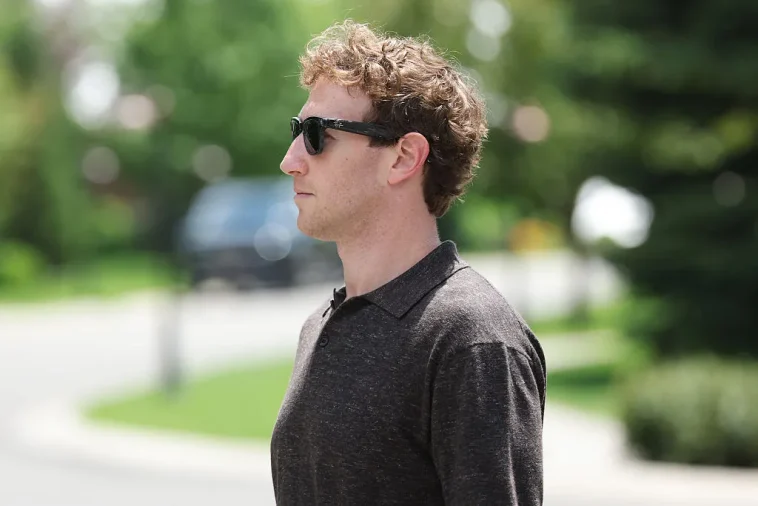
With an annual revenue of $201 billion, Meta stands as the top spender on executive security perquisites among Big Tech giants. The company allocated an impressive $27.4 million to security expenses in 2025. The vast majority of this budget, over $25 million, was dedicated to safeguarding co-founder and CEO Mark Zuckerberg.
Zuckerberg’s extensive security includes $2.2 million for private aircraft travel and a substantial $14 million pre-tax allowance for additional personal security measures for him and his family. Given his history of dealing with death threats and stalking, stemming from his high-profile role and Meta’s often contentious position in public discourse, the company asserts these costs are both “appropriate and necessary.” His personal security efforts are notoriously comprehensive, including reportedly spending over $110 million since 2011 to acquire at least 11 adjacent homes in Palo Alto to fortify his compound. Furthermore, he is constructing a highly private estate across his 2,300 acres in Hawaii, signifying a holistic approach to threat mitigation. Other Meta executives, such as Chief Operating Officer Javier Olivan, also received significant security provisions, totaling $1.94 million.
Alphabet (Google): Protecting Sundar Pichai and Key Leaders
Alphabet, with an annual revenue of $406.2 billion, committed $9.38 million to executive security in 2025. A significant portion of this went towards CEO Sundar Pichai’s personal security, which accounted for more than $8.8 million. These measures encompassed residential security, advanced monitoring services, and secure transportation, including the use of company aircraft for both personal and business travel. Additionally, Philipp Schindler, SVP and Chief Business Officer of Google, received nearly $582,000 for personal security, reflecting the company’s broad recognition of potential risks to its senior leadership team.
Amazon: Securing Andy Jassy and Jeff Bezos
Amazon, a global e-commerce and cloud computing behemoth with an annual revenue of $716.92 billion, reported a $3.6 million security spend in 2025. This budget was primarily allocated to CEO Andy Jassy ($1.7 million) and founder and executive chair Jeff Bezos ($1.6 million). Even after transitioning from the CEO role, Bezos continues to command substantial security resources, underscoring the enduring public profile and potential vulnerabilities of influential tech figures. Matthew Garman, CEO of Amazon Web Services, also received over $245,000 in security provisions, highlighting the protection extended to leaders of critical business units.
Nvidia: Jensen Huang’s Comprehensive Protection
In its fiscal year 2026, which concluded on January 25, Nvidia dedicated its entire $4 million security budget to CEO Jensen Huang. As the leader of a company at the forefront of AI and chip manufacturing, Huang’s security package is robust. It includes residential and travel security, dedicated driver services, sophisticated monitoring, and private aircraft travel for both business and personal use. This comprehensive approach reflects the strategic importance of protecting a visionary leader in a sector experiencing unprecedented growth and public scrutiny.
Apple: Tim Cook’s Mandated Private Travel
Apple, a titan with an annual revenue of $416 billion, invested $1.68 million in security for its long-standing CEO, Tim Cook, in fiscal year 2025, ending September 27. Nearly $888,000 of this sum covered direct security costs, while almost $790,000 was allocated for private air travel, deemed essential for security and efficiency. The Apple board explicitly mandates Cook’s use of private aircraft for all business and personal travel, signaling the critical importance placed on his safety and the recognition that public travel poses unacceptable risks for such a high-profile individual.
Tesla: Elon Musk’s Multi-faceted Security Network
Tesla, a leading electric vehicle manufacturer with an annual revenue of $95 billion, reported a security spend of over $4.8 million for Elon Musk in 2025, a notable increase from $2.8 million in 2024. However, Tesla’s SEC filing clarifies that this amount represents only “a portion of the total cost of security services” for Musk. Given Musk’s leadership across multiple ventures, including SpaceX (which went public in June) and his ownership of Foundation Security, his overall security costs are undoubtedly much higher, spread across his various enterprises. This distributed security model highlights the unique challenges of protecting a multifaceted entrepreneur and visionary.
Microsoft: Satya Nadella’s Leaner Approach
In contrast to its Big Tech counterparts, Microsoft, with a market cap of $281.7 billion, reported a significantly lower security expenditure for CEO and Chairman Satya Nadella. In fiscal year 2025, ending June 30, the company spent just $85,000 on Nadella’s personal security. Microsoft describes these expenses as “an integral part of our risk management program,” suggesting a highly integrated and potentially less publicly disclosed security infrastructure. This leaner reported cost may indicate different threat assessments, a reliance on in-house security teams, or perhaps that other security measures are categorized differently within the company’s financial reporting.
Strategic Implications and The Road Ahead
The substantial and growing investment in executive security carries profound implications for corporate culture, governance, and the very nature of leadership in the digital age. This pervasive security can inevitably impact executive accessibility and transparency, potentially creating a further disconnect between leadership and the broader public or even internal employees. Companies must navigate the delicate balance between ensuring safety and fostering an open, trusting environment.
Looking forward, the trend suggests continued escalation in security budgets. Corporations will likely invest more heavily in sophisticated threat intelligence, leveraging AI and predictive analytics to anticipate and neutralize potential risks before they materialize. The integration of physical and cybersecurity will become even more seamless, recognizing that digital vulnerabilities can quickly translate into real-world threats. As these costs continue to rise, they will inevitably impact corporate bottom lines and may attract further scrutiny from shareholders and regulatory bodies. The role of the Chief Security Officer (CSO) or similar security leadership will only grow in strategic importance, becoming a critical component of executive leadership and corporate resilience.
Ultimately, the imperative to protect senior executives is a non-negotiable aspect of modern corporate responsibility. In a world marked by increasing volatility and the amplified reach of public sentiment, these robust security measures are not luxuries but essential safeguards for the individuals steering some of the world’s most influential companies. The future of executive leadership will undoubtedly be shaped by the ongoing evolution of these comprehensive protective strategies.
#AI #Tech #Innovation #Future #Gaming #Science #VirtualReality #AugmentedReality #Robotics #Space #FutureTech #Gadgets
Artificial Intelligence, Cloud, Software Engineering