Revolutionizing Philanthropy: Tapping into the Untapped Power of Fandom
For generations, the landscape of high-profile philanthropy has been dominated by a familiar script: celebrity galas, exclusive auctions, and headline-grabbing gifts from a select circle of ultra-wealthy benefactors. This traditional model, while well-intentioned and historically significant, is increasingly showing its age in a rapidly evolving digital world. Professional leagues, teams, and influential figures annually channel immense resources into these efforts, yet the very foundation of this approach—a fundraising paradigm built for a bygone era—is struggling to keep pace with contemporary shifts in influence and community engagement.
The conventional signals of generosity, such as named foundations and exclusive charity events, once served as primary indicators of philanthropic impact. However, the efficacy of relying solely on a limited pool of affluent donors is diminishing. A profound opportunity lies in recognizing and harnessing a far more expansive, dynamic, and digitally savvy network: the everyday fan. These communities, bound by shared passions and identities, represent a powerful, yet often overlooked, force for collective good.
From Donor Rolls to Dynamic Digital Communities
Alarming trends within the nonprofit sector underscore the urgency for change. Data from the Fundraising Effectiveness Project (FEP) reveals a concerning decline in the overall number of individual donors, despite occasional spikes in total revenue driven by a few extraordinary contributions. Critically, small-dollar donors—those contributing $500 or less—have experienced the most significant drop. This erosion of grassroots participation signals a fundamental challenge to the long-term resilience and community investment vital for charitable organizations.
When fewer individuals contribute, the sense of personal investment in an organization’s mission inevitably wanes. Sustainable growth in philanthropy is not solely about the size of individual donations, but rather the breadth and engagement of the community supporting it. The outdated, analog methods of fundraising are simply no longer viable for securing a robust future. The imperative now is to pivot towards innovative models that seamlessly integrate with existing communities—groups organized around sports, entertainment, shared interests, and collective identity—offering them accessible and meaningful avenues for participation.
Historically, charities have often relegated fan communities to the role of passive marketing channels, measuring success through superficial metrics like impressions or video views. However, when these organizations attempt to translate this engagement into concrete action, the process frequently falters. Fans are often directed to cumbersome donation pages, antiquated text-to-give campaigns, or invitation-only events that feel detached from their digital ecosystems. The very opportunity to make a tangible impact becomes hidden behind exclusionary paywalls. A lavish charity dinner, while generating substantial funds, inadvertently reinforces the notion that true philanthropic participation is reserved for the wealthiest elite. This exclusionary approach fundamentally conflicts with the values of younger generations, particularly Gen Z and millennials, who prioritize transparency, accessibility, and active involvement over passive observation.
Fandom as a New Philanthropic Infrastructure
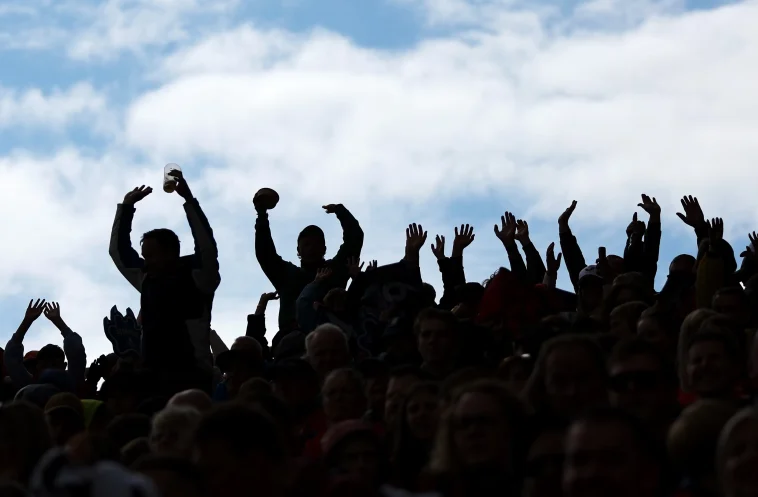
Sports and entertainment fandoms intrinsically operate as highly organized and deeply engaged communities. They coordinate online, generate vast amounts of content, moderate their own digital forums, travel collectively, purchase merchandise, and sustain vibrant, year-round conversations that largely exist independent of traditional institutional oversight. These networks are built on inherent trust and a shared sense of purpose—precisely the foundational elements upon which successful philanthropic endeavors thrive.
To view fans merely as passive consumers waiting to be marketed to is a critical misstep. They are active participants, willing to invest their time, attention, and financial resources because they cultivate a profound sense of ownership and connection to a team, an athlete, or a collective identity. Research from More in Common and FOX Sports further reinforces this intuition, demonstrating that passionate sports fans exhibit a greater propensity to volunteer and actively engage within their local communities than non-fans. Fandom, in essence, is a powerful form of social infrastructure. The core challenge for nonprofit organizations is to learn how to activate this existing infrastructure rather than compelling supporters to step outside of it.
A compelling early example of this paradigm shift emerged in 2017 with NHL player Jason Zucker’s #Give16 campaign. Rather than relying on a conventional gala or auction, Zucker ingeniously invited the hockey community to donate amounts mirroring his jersey number ($16 for #16) to fund a pediatric broadcast studio and patient suite at the University of Minnesota Masonic Children’s Hospital. By drastically lowering the financial barrier to entry and imbuing participation with a personal connection, he successfully mobilized a vast network of supporters, raising over $1.2 million in under a year. This campaign powerfully illustrated how large-scale micro-giving could effectively rival major institutional checks, simultaneously cultivating a loyal and sustained donor pipeline for the future.
The resounding success of #Give16 directly informed the conceptualization of Alltroo, a platform innovatively designed around the principle that broad access, rather than exclusivity, can be a potent fundraising incentive. Moving beyond traditional high-priced auctions or private events, digital experiences can empower thousands of supporters to participate through modest contributions. A $10 entry fee can grant a supporter the same chance to secure a unique, once-exclusive experience, democratizing opportunities previously reserved for the ultra-wealthy. The broader, transformative lesson extends far beyond a single platform: lowering barriers to participation has the unparalleled potential to dramatically expand both donor pools and long-term community engagement.
The Future of Influence is Decentralized
This fundamental shift in philanthropic strategy mirrors a wider, societal transformation in how influence is generated and wielded. For decades, philanthropy often manifested through overt displays of wealth: the named architectural wing, the ubiquitous gala photograph, the prominently featured donor list. Today, influence is progressively defined by the ability to effectively activate trusted, decentralized networks. Communities are increasingly self-organizing outside of traditional institutional frameworks, thriving in private group chats, specialized online forums, creator communities, and expansive fan networks. These decentralized digital spaces have proven remarkably adept at mobilizing attention, financial resources, and collective action. Philanthropic organizations must transition from viewing these networks merely as distribution channels to treating them as indispensable partners.
These invaluable lessons are universally applicable and should inform the rebuilding of fundraising frameworks for any charitable organization, regardless of whether their operations are directly intertwined with sports or entertainment. The overarching goal is to transcend dependency on major gifts and wholeheartedly embrace digital-first strategies designed to deeply engage communities that have already organically built robust infrastructure around a shared passion, interest, or goal. Building for this emergent future necessitates lowering barriers to participation from the very outset. Small donations should be as seamless and frictionless as purchasing digital merchandise. Digital experiences must be designed to reward engagement and active participation rather than merely prioritizing wealth. Crucially, fundraising efforts should intelligently converge where communities already naturally gather, not exclusively at black-tie galas, but within the vibrant digital ecosystems where conversations, relationships, and fervent fandom already flourish.
The nonprofit sector’s challenge is not a scarcity of public generosity; rather, it grapples with an outdated fundraising system that inadvertently excludes the vast majority of the potential donor base. The internet has rendered it easier than ever for individuals with shared interests to connect, cultivate trust, and act collectively on an unprecedented scale. If charitable institutions aim to navigate the current donor crisis and restore public trust, they must fundamentally reassess their perception of these powerful cultural networks. It is time to empower highly engaged communities to move beyond the sidelines and provide them with the sophisticated tools they need to actively step onto the field. In an era where true influence is increasingly “off-grid”—residing within dynamic communities rather than static institutions—the future of sustainable philanthropy will depend less on cultivating the next major donor and far more on effectively mobilizing the next million small, dedicated donors.
#Motivation #Inspiration #Success #Mindset #Business #Entrepreneurship #Marketing #Innovation #Future #Technology #Growth #Lifestyle
Generative AI, Artificial Intelligence, Cloud