Microsoft’s AI Pivot: Streamlining Copilot for a Unified Future
Two years ago, Microsoft boldly declared artificial intelligence a “generational shift” it intended to lead. Today, that ambition is manifesting through a significant strategic pivot: the tech giant is consolidating its Copilot-branded consumer and business applications, signaling a more mature and integrated approach to its AI ecosystem. This move, which includes sunsetting several underperforming AI features, marks a critical recalibration in Microsoft’s quest for AI dominance.
The Strategic Consolidation of Copilot
As initially reported by GeekWire and further detailed in Microsoft’s support documentation, the company is merging the functionalities of its previously distinct consumer-facing Copilot app and the more enterprise-focused Microsoft 365 Copilot app. This unification acknowledges the increasingly blurred lines between personal and professional technology use, particularly in the realm of AI. Users often leverage similar AI capabilities for both work and leisure, making a fragmented app experience cumbersome and counterintuitive.
This strategic alignment also implicitly recognizes that Microsoft’s initial, more distributed approach to Copilot may have been overly complex, hindering its ability to compete effectively against formidable rivals like OpenAI’s ChatGPT, Anthropic’s Claude, and Google’s Gemini. The drive towards a singular, powerful AI platform mirrors a broader industry trend where key players are prioritizing integrated experiences over a proliferation of specialized, standalone tools.
Industry-Wide Trend: The Age of AI Super Apps
Microsoft’s consolidation is not an isolated event but rather part of a larger movement towards integrated AI platforms. Competitors have also been streamlining their offerings, demonstrating a shared understanding that usability and cohesion are paramount. Claude, for instance, has merged its Cowork features into its primary Chat interface. Similarly, OpenAI integrated its agentic functionality, Operator, directly into ChatGPT, while Google continues to enhance its Gemini app with specialized capabilities, combining deep research with web browsing. This convergence suggests a collective industry realization that the future of AI lies in creating “super apps” – comprehensive, versatile platforms that cater to a wide spectrum of user needs within a single, intuitive interface.
Sunsetted Features and Lessons Learned
As part of this transition, Microsoft is retiring several consumer-facing Copilot features by August 18, 2026. Users will lose access to Group Chats, AI-generated podcasts, and experimental functionalities within Copilot Labs, alongside the consumer version of Deep Research. For professional subscribers, “Researcher” will serve as a dedicated replacement for deep research capabilities within Microsoft 365 Copilot.
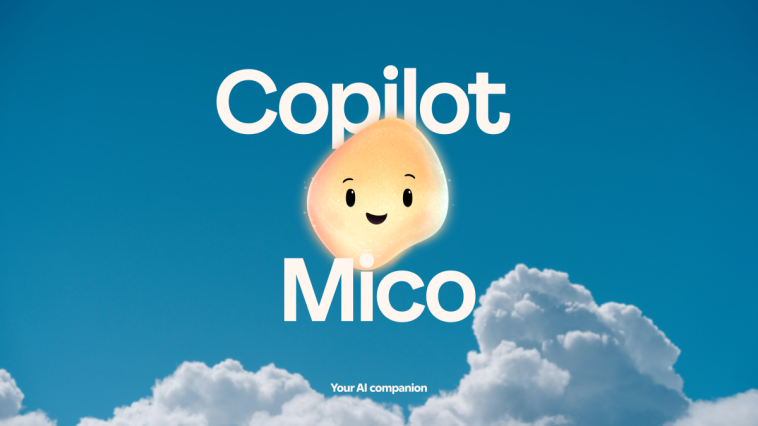
The company is also famously ditching Mico, the “goofy animated character” that served as Copilot’s mascot – a floating blob many critiqued as an AI-ified echo of the much-maligned Clippy. This particular retirement underscores the delicate balance between helpfulness and intrusive design in AI, and the importance of user experience over novelty. Microsoft has also warned that other features may temporarily disappear during the transition, with files generated by the standalone Copilot app being migrated to OneDrive for continuity.
“Earning the Right to Exist”: Future Implications
While Microsoft states the goal is a “simpler, more cohesive experience”, this strategic shift is also an acknowledgment of past missteps. An internal memo from Microsoft EVP Jacob Andreou, who oversees Copilot, notably stated the app needed to “earn the right to exist” in its customers’ lives, necessitating the discontinuation of features that failed to resonate. This candid assessment highlights the intense pressure on tech companies to deliver tangible value with their AI offerings amidst a rapidly evolving and competitive landscape.
The unification of Copilot is more than just a product merge; it’s a strategic regrouping that aims to strengthen Microsoft’s position in the AI race. By streamlining its offerings, Microsoft can concentrate resources, refine core functionalities, and enhance integration across its vast ecosystem, including Windows and Microsoft 365. This clearer vision could pave the way for a more robust and truly indispensable AI companion, one that genuinely earns its place at the heart of both our personal and professional digital lives, setting the stage for more powerful, context-aware AI interactions in the years to come.
#TrendingNow #ViralContent #ExplorePage #ForYou #InstaDaily #MotivationMonday #TechGadgets #TravelInspiration #FitnessGoals #FoodieAdventures #FashionTrends #DigitalMarketing
Artificial Intelligence, Cloud, Data Science