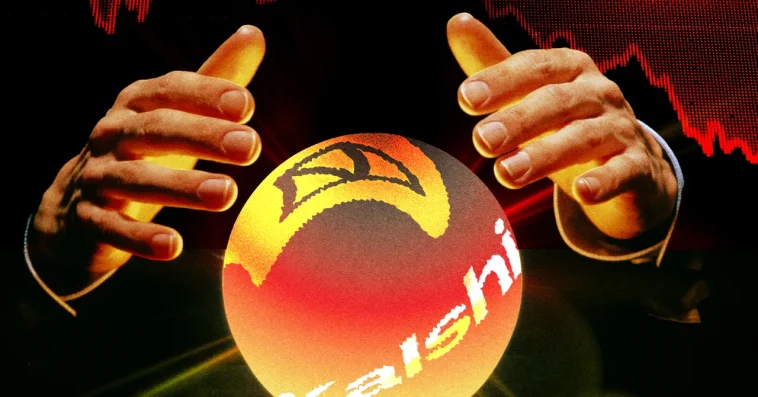
The Great Divide: Prediction Markets Grapple with Purpose Amidst Mainstream Surge
A curious paradox is unfolding at the heart of the burgeoning prediction market industry. While platforms like Kalshi capture mainstream attention with high-profile campaigns featuring celebrities such as Timothée Chalamet, the intellectual architects and dedicated players within the space appear to be operating in an entirely different dimension. This disconnect became starkly apparent at the recent Manifest festival, where the buzz of commercial advertising barely registered among attendees deeply engrossed in the foundational challenges and ethical quandaries facing these markets. The industry, it seems, is wrestling with its very identity: a powerful tool for societal insight or merely a sophisticated new form of entertainment and speculation?
The Clash of Ideals: Utility vs. Entertainment
The recent Kalshi ad, akin to the crypto boom’s Super Bowl blitz of 2022, was designed to thrust prediction markets into the public consciousness. Yet, among the academics, founders, and seasoned participants at Manifest, the ad elicited mostly blank stares. Their focus remained steadfastly on the “bigger picture”—the profound potential of forecasting to aggregate information and illuminate future probabilities, alongside the inherent risks. This divergence underscores a fundamental battle: the lofty vision of prediction markets as instruments for the greater good versus the widespread public perception of them as glorified betting platforms, often for sports.
This ideological chasm presents a significant challenge for an industry striving for legitimacy and broader adoption. If the public views prediction markets predominantly through the lens of sports betting, it risks undermining the serious applications that proponents envision, such as improving corporate strategy, guiding policy decisions, or even enhancing scientific research. Bridging this perception gap will be crucial for the industry’s long-term health and its ability to realize its full potential.
Prognosticators’ Peril: Addiction, Integrity, and Value
Despite the industry’s growth, leading figures are sounding alarms. Dan Schwarz, cofounder and CEO of FutureSearch, an AI research and prediction startup, expressed a common sentiment of anticipation for this moment of widespread recognition. However, he quickly tempered it with concerns over issues such as insider trading and the addictive nature of certain sports-related contracts. Schwarz contends that for prediction markets to truly justify their existence, they must deliver significantly more value than they currently do, especially to offset these potential harms.
The very popularity driving prediction markets into the mainstream could paradoxically become their undoing if not managed responsibly. Issues like market manipulation and the potential for problem gambling threaten the integrity and public trust essential for these platforms to function as reliable truth-seeking mechanisms. Establishing robust regulatory frameworks and implementing stringent ethical guidelines will be paramount to mitigating these risks and ensuring the sustainable growth of a credible and valuable industry.
Lighthaven: The Intellectual Crucible of Rationalism
Manifest, held at the idyllic Lighthaven compound in Berkeley, California, offered a fascinating glimpse into the intellectual engine driving the prediction market movement. This campus, a nexus of the rationalist movement, prioritizes principles like the safe development of AI and effective altruism. The atmosphere at the festival was distinctly eclectic, leaning heavily male but rich with vibrant discussions.
Attendees, a mix of twenty- and thirty-somethings, huddled over laptops, debating market strategies alongside sessions on existential risks posed by AI and even optimizing personal well-being. Play-money platforms like Manifold hosted markets on the festival’s own eccentricities, highlighting a community deeply engaged in the practical application of probabilistic thinking, even to the most trivial events. This environment underscores the deep philosophical roots of the movement, where prediction markets are seen as a natural extension of a broader quest for better decision-making and a more informed world.
A Strategic Pivot: Commercial Gain vs. Core Mission
A notable shift from previous years was the absence of major prediction market platforms like Kalshi and Polymarket as Manifest sponsors. While both companies declined to comment on this change, their prior engagement, including Kalshi’s session on sports markets just a year before its multi-billion dollar sports trading operations, speaks volumes. The conspicuous absence of sports discussions during a Manifest session on strategies for global events and political markets further accentuated this strategic divergence.
David Bensoussan, a highly successful trader in such markets with profits exceeding $1.6 million, articulated the underlying tension succinctly: “The truth-seeking mechanism that prediction markets can have in terms of predicting things and making the population more informed—what on Earth does that have to do with sports?” This question cuts to the core of the industry’s dilemma. As commercial entities chase lucrative sports betting markets, they risk diluting their original, more profound mission. The challenge for these platforms lies in harmonizing commercial imperatives with their foundational purpose, ensuring that the pursuit of profit does not eclipse the potential for genuine societal benefit. Without this balance, prediction markets might achieve mainstream recognition, but at the cost of their soul.
#TechTrends #AIRevolution #FutureIsNow #InnovationHub #DigitalTransformation #GamingCommunity #SpaceExploration #HealthTech #SustainableLiving #CreativeMinds #EntrepreneurLife #Web3
Artificial Intelligence, Cloud, Cybersecurity