Mattel’s Bold Pivot: From Playthings to Powerhouse IP
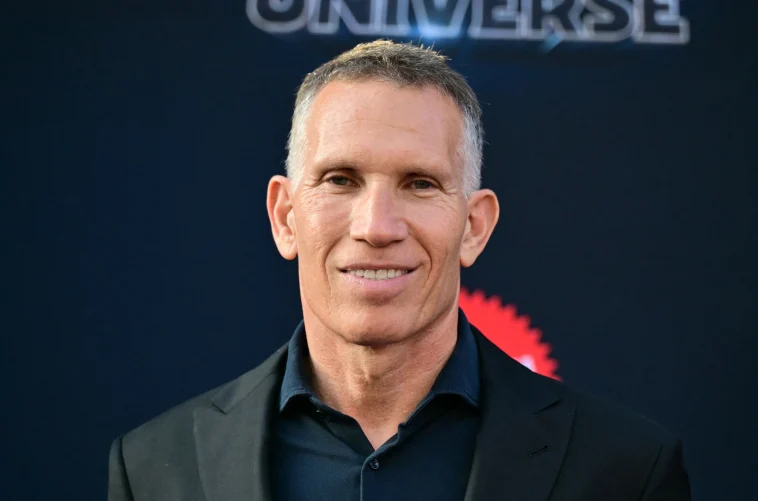
Mattel, a name long synonymous with beloved toys that have shaped generations, is undergoing a profound transformation under the astute leadership of CEO Ynon Kreiz. The company is actively shedding its traditional identity as a mere toy manufacturer, meticulously reshaping itself into a dynamic, entertainment-driven intellectual property (IP) powerhouse. This strategic evolution reached a critical validation point with the monumental success of the 2023 Barbie blockbuster, unequivocally signaling that Kreiz’s vision is not just paying off, but is poised for aggressive expansion.
Since assuming the helm in 2018, Kreiz has orchestrated a comprehensive corporate turnaround. This involved a dual-pronged approach, skillfully balancing stringent cost-cutting measures with an ambitious foray into film and television production, culminating in a robust slate of releases planned for 2026 and beyond. This pivot reflects a deep understanding of modern brand engagement, where stories and experiences increasingly drive consumer connection.
The Architect of Transformation: Ynon Kreiz’s Vision
“It has been an evolution of our purpose and strategy: from being a toy manufacturing company that was making items, to become an IP company that is managing franchises,” Kreiz articulated at the HBR Leadership Summit 2026 on May 20. This statement encapsulates the profound shift in corporate philosophy, recognizing the enduring value of narrative and character over singular product lines.
Kreiz’s strategic direction is deeply rooted in his extensive background within the entertainment industry. Prior to Mattel, his career trajectory included co-founding Fox Kids Europe, serving as a general partner at Benchmark Capital Europe, and leading Endemol, the creative force behind global phenomena like Big Brother and Deal or No Deal. He also spearheaded Maker Studios, a pioneering entity in the digital video landscape, equipping him with an invaluable perspective on modern media consumption.
Upon his arrival, Kreiz faced the formidable task of revitalizing Mattel. His initial actions focused on streamlining operations, dramatically reducing non-manufacturing headcount from 13,500 to approximately 8,000, and distilling the company’s previously complex, three-inch-thick strategic binder into a clear, concise, single-page directive. This simplification was crucial for aligning the organization around a shared, actionable vision.
Beyond operational efficiencies, Kreiz fundamentally reoriented the company towards sophisticated brand management. He understood that success in this new paradigm demanded leadership capable of expanding intellectual property not just within the toy sector, but across diverse entertainment platforms and ancillary verticals. This shift recognizes that today’s consumers interact with brands through multiple touchpoints, making integrated storytelling paramount.
The “Barbie” Blueprint: A Cultural Phenomenon
This ambitious vision coalesced spectacularly with the release of Barbie. Under the inspired direction of Greta Gerwig, the film transcended mere cinematic release to become a global cultural phenomenon, amassing over $1.4 billion worldwide and cementing its status as the highest-grossing film of 2024. Its success was not merely commercial but cultural, proving the potency of Mattel’s new strategy.
Kreiz clarified the underlying intent: “The goal of the Barbie movie was not to create a film that would drive toy sales necessarily, and it wasn’t even about making a movie for the purpose of making a movie. It was about creating a cultural event.” This insight underscores a sophisticated understanding of brand building, where authentic resonance and pervasive cultural conversation drive long-term value far beyond direct merchandising. The film created a halo effect, reinvigorating the Barbie brand for a new era.
Strategic Imperatives: Creative Freedom and Relevance
Mattel’s strategy hinges on a commitment to empowering filmmakers with substantial creative freedom, allowing them to reimagine iconic brands—from Hot Wheels and American Girl to Polly Pocket and Uno—for contemporary audiences. This trust in artistic vision is a cornerstone of their IP expansion model, fostering unique and compelling narratives that resonate broadly.
“Today’s fans, they don’t care that Barbie has been around for 64 years or that American Girl is celebrating her 40th anniversary this year,” Kreiz observed. “We need to traverse from the past, the legacy, the heritage, the deep quality that is vested in our brands, and transpose it to today’s world to make it relevant and current.” This philosophy is critical for ensuring that heritage brands remain vibrant and engaging in a rapidly evolving media landscape, bridging generational gaps without sacrificing core identity.
A Universe of Possibilities: Mattel’s IP Pipeline
The company is executing this strategy with remarkable speed and scale. As of 2023, Mattel reportedly had a staggering 45 films in various stages of development. This aggressive pipeline includes diverse projects such as an A24 production of Barney, an animated Bob the Builder film, and a Matchbox movie slated for Apple TV starring John Cena. This breadth demonstrates Mattel’s commitment to exploring its entire vault of IP across different genres and target demographics.
Next on the horizon is Masters of the Universe, set for a June 5 release, directed by Travis Knight and featuring a star-studded cast including Jared Leto and Idris Elba. While this film promises a stark tonal contrast to Barbie, Kreiz asserts the foundational strategy remains consistent: entrusting visionary creators to authentically bring Mattel’s beloved brands to life. “It is a great movie, and I think it will represent the breadth of our offerings, from the pink world of Barbie all the way to the dark world of Eternia—and everything in between,” Kreiz affirmed, highlighting the vast narrative potential within Mattel’s portfolio.
Future Horizons: Redefining Entertainment and Engagement
Mattel’s transformation under Ynon Kreiz is more than a corporate restructuring; it’s a bold redefinition of its role in the global entertainment ecosystem. By meticulously cultivating its intellectual property and strategically deploying it across diverse media, Mattel is pioneering a new blueprint for how traditional consumer brands can thrive in the 21st century. The long-term implications are significant, potentially inspiring other heritage companies to unlock the dormant narrative power within their own brands.
This pivot towards comprehensive IP management opens avenues for expansive transmedia storytelling, spanning not only film and television but also gaming, digital experiences, and potentially even themed attractions. Mattel is positioning itself not merely as a toy company with a film division, but as a formidable content studio that leverages its iconic characters to build immersive universes. The success of this strategy could firmly establish Mattel as a key player in the ever-evolving, IP-driven economy, where ownership of compelling narratives increasingly dictates market leadership.
#TechTrends #InnovationNation #DigitalLife #FutureIsNow #AIRevolution #GadgetGoals #SmartLiving #CyberWorld #Web3Wednesday #TechTalk #FutureOfWork #AIArt
Artificial Intelligence, Cloud, Cybersecurity