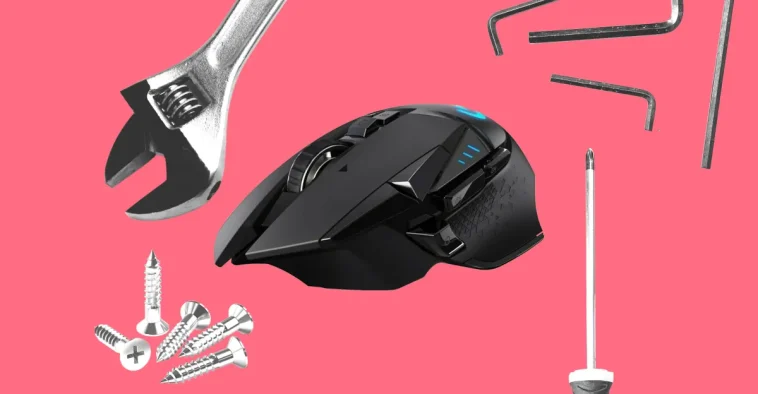
Europe’s Right-to-Repair Mandate Reshapes Tech Giants’ Strategies
The landscape of consumer electronics is undergoing a significant transformation, driven by Europe’s proactive stance on sustainability and consumer rights. A new EU regulation, effective February 2027, will mandate that portable batteries in products must be readily removable and replaceable by the end-user. This directive, part of the broader ‘Battery and Waste Battery Regulation (Regulation 2023/1,542)’, aims to curb the industry practice of artificially shortening device replacement cycles, thereby reducing electronic waste and empowering consumers. Major players like Nintendo and Logitech are already recalibrating their product development strategies in response.
Logitech’s Calculated Division: A European Anomaly?
In a notable move, Nintendo announced a revised Switch 2 console for Europe this June, featuring an easily replaceable battery pack. Logitech is following a similar path, yet with a distinct geographical segmentation. According to Robin Piispanen, Logitech’s new gaming boss, the company plans to ship wireless mice with user-replaceable batteries to Europe, while offering a different, less-repairable version to the rest of the world.
This bifurcated strategy stems from Logitech’s assessment of design trade-offs. Piispanen notes that less-repairable peripherals can offer advantages in terms of cost and weight. Devices currently utilize lightweight, soft-sided lithium-based batteries with thin cables, a design deemed unsafe for consumer handling during replacement due to puncture risks. For the European market, Logitech will transition to more rigid, “hard-pack” batteries, alongside offering certified replacement batteries for enhanced safety.
The Global Implications of a Split Market
Logitech’s decision to forgo universal repairability is rooted in market projections. Piispanen suggests that outside of Europe, consumer demand for self-replacement of batteries in wireless mice, typically priced between $50 and $100, is insufficient to justify the design overhaul and associated costs. He posits that user-replaceable batteries hold more relevance for higher-value items like laptops and smartphones, where the investment is significantly greater. This creates a fascinating precedent where regulatory pressure in one region directly influences product design, potentially leading to varied consumer experiences globally.
The EU regulation specifies that batteries must be removable using “commercially available tools,” with any specialized tools provided free of charge, and manufacturers must supply replacement batteries for at least five years after a product’s discontinuation. While these rules currently do not apply outside the EU, the cost and complexity of maintaining distinct manufacturing lines for different regions could eventually prompt a global shift towards more repairable designs.
Redefining “Right-to-Repair”: Beyond the Battery
The conversation around repairability extends far beyond just batteries. Many advocates of the right-to-repair movement argue for a fundamental shift away from the “disposable” product mentality. The current scenario highlights a broader challenge for manufacturers like Logitech, who, despite public statements of supporting right-to-repair, often fall short in providing essential wear-and-tear components. For instance, replacement rubber grip pads or mouse switches—common failure points in gaming mice—are frequently unavailable directly from the manufacturer.
Piispanen acknowledges this gap, expressing concerns about consumers potentially damaging devices during more intricate repairs, such as replacing mouse switches or dealing with adhesives for grip pads. He indicates a reluctance to sell parts if it leads to user frustration or product failure. However, he also recognizes the passion within the user community for device longevity and customization. This tension between manufacturer control and consumer empowerment defines a critical juncture in the evolution of product stewardship.
Paving the Way for a Sustainable Tech Ecosystem
The EU’s impending mandate is more than just a regulatory hurdle; it’s a catalyst for innovation and a re-evaluation of product lifecycle responsibility. Piispanen’s commitment to exploring the provision of lacking wear-and-tear parts for mice and his focus on designing more durable products from the outset signal a potential shift in Logitech’s long-term strategy. This indicates a growing awareness that sustainability, once a niche concern, is becoming a core tenet of product development.
The broader implications suggest an industry moving towards greater transparency and support for product longevity. While the immediate impact outside Europe might be limited, the EU’s forward-thinking legislation could set a global precedent, ultimately fostering a tech ecosystem where repairability, durability, and reduced environmental impact are paramount.
#TrendingNow #Innovation #FutureIsNow #TechSavvy #DigitalLife #AIRevolution #GadgetGoals #SmartLiving #ExploreTech #NextGen #DeepDive #FutureForward
Generative AI, Cloud, Cybersecurity