## The Sunset of an Era: Reflecting on the Intel Mac Legacy
The upcoming release of macOS 27 later this fall marks a pivotal moment, signaling the near-complete closure of a significant chapter in Apple’s hardware history: the Intel Mac. While the very last models capable of running macOS 26 Tahoe will still receive crucial security and Safari updates for another two years, and elements of the Rosetta compatibility layer will persist to bridge the gap for legacy Intel code on Apple Silicon, the direction is clear. The era of the Intel Mac, as a platform for current and future innovation, has reached its definitive end.
macOS 26, known as Tahoe, truly represented the final major operating system release fully embracing Intel architecture. Anything following this point is, by design, a coda or an epilogue to a story that fundamentally reshaped the Mac platform for nearly two decades. This strategic shift underscores Apple’s unwavering commitment to its proprietary silicon and its vision for the future of personal computing.
## A Decisive Partnership: The Intel Transition’s Genesis
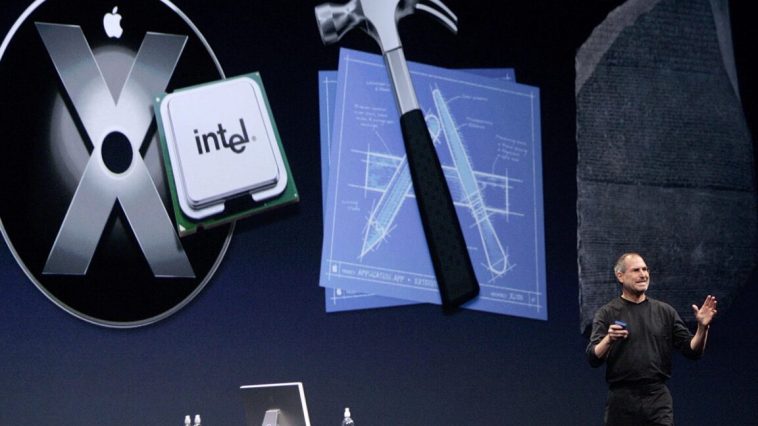
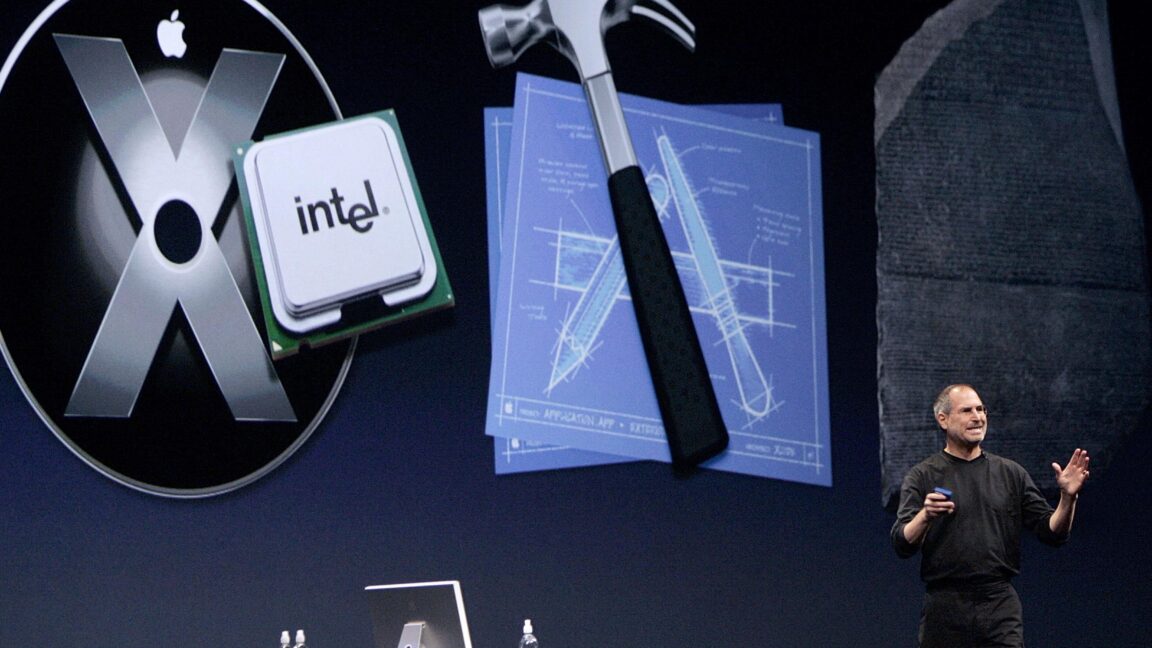
Before delving into the conclusion of this partnership, it’s vital to look back at its inception. In 2005, when Steve Jobs famously announced the Mac’s transition from PowerPC to Intel processors, it was a move born of necessity and ambition. The PowerPC architecture, while innovative, was struggling with performance-per-watt ratios and lagging behind Intel’s roadmap, particularly in the notebook space. Apple needed a powerful, efficient, and readily available processor architecture to accelerate its Mac line.
The adoption of Intel chips dramatically improved Mac performance, allowing Apple to compete more effectively with the broader PC market. It unlocked capabilities like Boot Camp, enabling users to natively run Windows, which broadened the Mac’s appeal. This infusion of industry-standard components also allowed for more aggressive product cycles and the integration of cutting-edge technologies, propelling the Mac into a new era of mainstream prominence and growth.
## The Turning Point: When “Better” Became “Worse”
For years, the Intel partnership thrived, driving significant advancements across Apple’s desktop and portable lines. However, as the 2010s progressed, cracks began to show. Intel’s tick-tock development cycle slowed, and its process technology advancements became less frequent, directly impacting Apple’s ability to innovate at its desired pace. Macs began to face thermal limitations, particularly in thinner enclosures, and power efficiency became a growing concern, especially for mobile devices.
Apple’s desire for tighter integration between hardware and software, and ultimately, complete control over its product roadmap, clashed with the reliance on an external chip supplier. The limitations imposed by Intel’s CPU and integrated graphics often meant compromises in design and feature sets that Apple was no longer willing to make. This growing divergence between Apple’s ambitions and Intel’s capabilities laid the groundwork for the next monumental shift.
## The Apple Silicon Revolution: Charting a New Future
The pivot to Apple Silicon, beginning with the M1 chip in 2020, was not merely a change in processor vendor; it was a profound strategic realignment. By developing its own custom ARM-based processors, Apple gained unparalleled control over the entire computing stack. This enabled a radical redesign of Mac architecture, leading to industry-leading performance-per-watt, significantly extended battery life, and revolutionary capabilities like unified memory architecture.
The future implications of this move are vast. Apple can now tailor its silicon precisely to the macOS ecosystem, optimizing for specific applications and user experiences. This vertical integration allows for faster innovation cycles, the introduction of entirely new form factors, and deeper synergy with its iOS and iPadOS platforms. Furthermore, it insulates Apple from external supply chain dependencies and allows them to differentiate the Mac more strongly than ever before in a competitive market.
## A Lasting Legacy and Future Trajectories
The Intel Mac era, while now drawing to a close, leaves an indelible mark. It was a period of immense growth and transformation for Apple, solidifying the Mac’s place in the modern computing landscape. It demonstrated Apple’s pragmatic approach to adopting the best available technology to serve its vision, even if it meant significant architectural shifts.
As we look ahead, the lessons from the Intel transition are clear: control over the core technology is paramount for long-term strategic advantage. The full implications of Apple Silicon are still unfolding, promising a future of highly integrated, power-efficient, and uniquely capable Macs. For InnovationWarrior.com readers, this ongoing evolution underscores a fundamental truth in tech: change is the only constant, and adaptability is the ultimate determinant of success.
#TrendingNow #ExplorePage #ViralContent #Inspiration #Motivation #LifeHacks #DailyDose #GoodVibes #Innovation #TechTrends #FitnessGoals #TravelBug
Artificial Intelligence, Generative AI, Cloud