Copyright Clash: Artist Fights AI Meme Generator Over Commercial Use of Viral Work
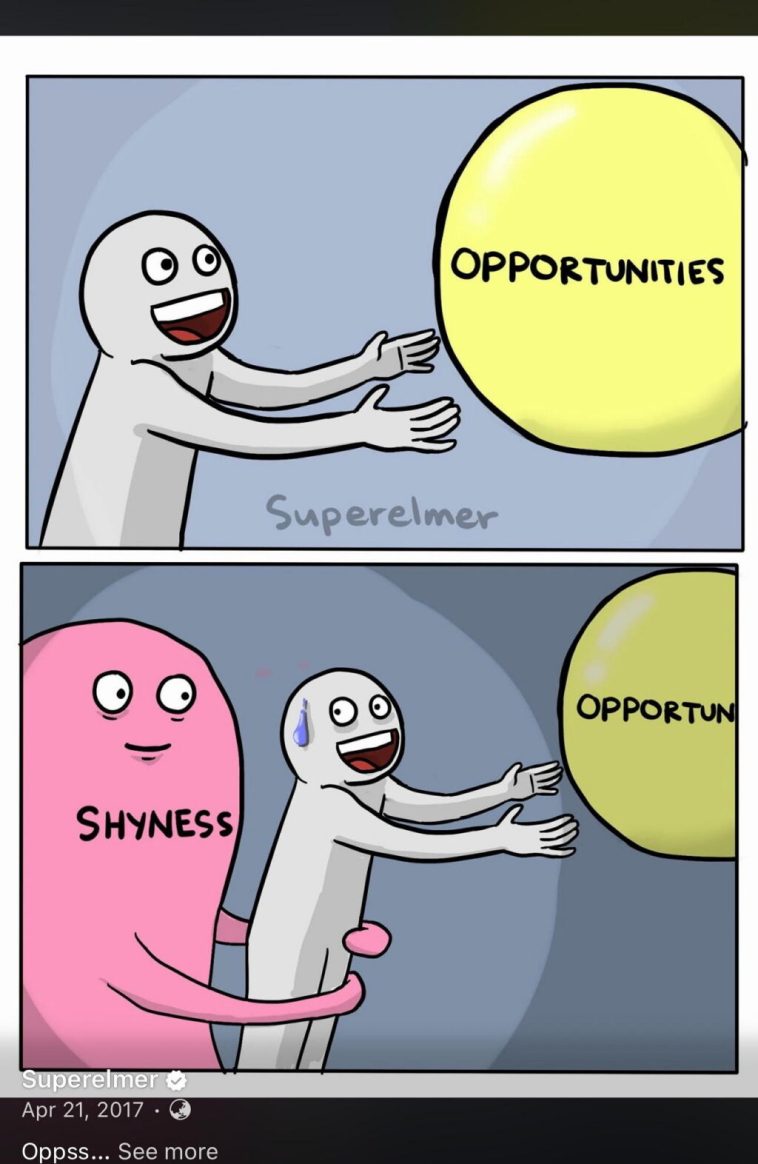
The digital realm, a fertile ground for creativity and virality, is increasingly becoming a battleground for intellectual property rights. At the forefront of this evolving conflict is Elmer Saflor, known online as “Superelmer,” whose beloved “Running Away Balloon” comic has been shared by millions since its viral explosion in 2017. Now, Saflor is taking a stand against what he perceives as a blatant commercial exploitation of his copyrighted creation by an AI-powered platform.
The Heart of the Matter: Alleged Infringement by AI
Saflor’s legal challenge targets Memes Apps, LLC, the operator behind the popular content creation platforms Memes.ai and Memes AI Studio. The core of the complaint, filed earlier this month, alleges that Memes Apps, LLC is violating copyright law by offering paid subscriptions to an ad generator. This generator, according to Saflor, produces countless copies of his “Running Away Balloon” comic, leveraging it as a commercial template without his explicit permission or any form of compensation.
While Saflor appreciates the widespread organic sharing that cemented his comic’s status as a cultural meme, he draws a critical line at its commercialization by an AI system. The artist emphasizes that popularity does not equate to a carte blanche for others to profit from his intellectual property. This lawsuit highlights a growing tension between the open, collaborative nature of meme culture and the established rights of original creators.
A Creator’s Stand: Defending Intellectual Property in the Digital Age
Elmer Saflor, a digital creator based in the Philippines, is not just fighting for his own work; his case could set a significant precedent for artists navigating the complexities of AI and commercial platforms. The rapid scalability offered by AI tools means that unauthorized use can proliferate exponentially, making enforcement a daunting task for individual creators. This legal action underscores the urgent need for robust protections and clear ethical guidelines as AI systems become more sophisticated in content generation and appropriation.
This dispute is a microcosm of larger battles being waged across various creative industries. As AI models ingest vast quantities of existing content to train their algorithms, questions about fair use, consent, and compensation for original creators are paramount. Saflor’s commitment to defending his copyright serves as a powerful reminder that behind every viral sensation is often an artist whose livelihood depends on the recognition and legal protection of their creations.
Broader Implications for AI and Digital Content
The outcome of Saflor v. Memes Apps, LLC could have far-reaching implications for the burgeoning AI content generation industry and the future of digital copyright law. A ruling in favor of Saflor might compel AI meme generators and similar platforms to implement more stringent content screening processes and licensing agreements. This could foster a more ethical framework for AI development, where respect for intellectual property is embedded from the outset.
Conversely, should Memes Apps, LLC prevail, it could embolden other AI platforms to use copyrighted material more liberally, potentially diminishing the rights of creators who find their work absorbed and commercialized without recourse. The case forces a crucial examination of who benefits when AI systems leverage human-created content and how intellectual property can be effectively managed in an era of automated content creation. The legal landscape is still catching up to technological advancements, making landmark cases like this vital for shaping future regulations.
Navigating the Future of Digital Creation
This lawsuit signals a critical juncture for both creators and technology companies. For artists, it underscores the necessity of actively monitoring their work online and being prepared to assert their rights. For developers of AI tools, it highlights the imperative of building systems with ethical data sourcing and clear attribution mechanisms. Establishing industry standards for AI training data and output, including robust opt-out options for creators, will be crucial.
Ultimately, striking a balance between innovation and protection is key. The future of digital creation hinges on fostering an environment where AI can augment human creativity without undermining the fundamental rights of those who generate the original works. The “Running Away Balloon” saga is more than just a meme; it’s a bellwether for the ongoing struggle to define ownership and value in the age of artificial intelligence.
#trending #viral #explore #reels #fyp #foryou #challenge #tiktok #instagram #love #instagood #photooftheday
Artificial Intelligence, Cloud, Data Science