The Shifting Tides of Gaming: Hardware, Distribution, and Industry Reset
The gaming industry is undergoing a profound transformation, marked by bold strategic shifts from platform holders and evolving consumer behaviors. From Valve’s ambitious, yet costly, re-entry into the living room PC space to Sony’s definitive pivot away from physical media and Xbox’s ongoing corporate restructuring, the landscape of interactive entertainment is rapidly reshaping. These developments signal a future dominated by digital ecosystems, redefining how we acquire, play, and even own our games.
The Steam Machine: A Niche Contender in the Living Room
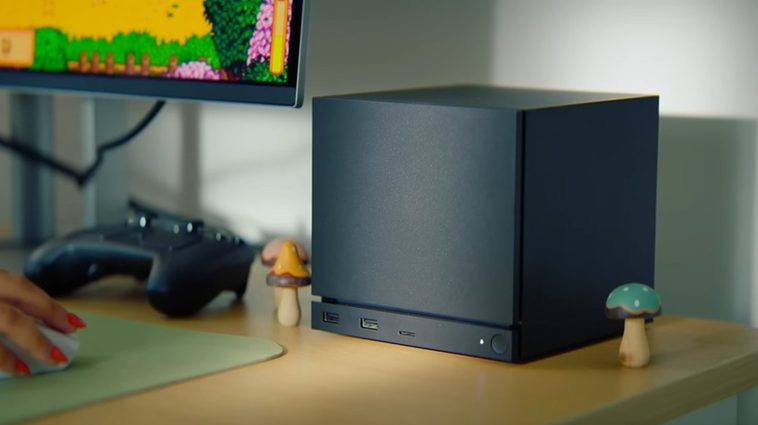
Valve’s long-awaited Steam Machine has finally arrived, aiming to bridge the gap between PC gaming and the console experience in the living room. While it delivers on the promise of bringing SteamOS to a television-friendly format, complete with a console-like user interface and quiet operation, its premium price tag of over $1,000 raises questions about its target audience.
Despite its impressive, compact design and performance comparable to current-generation consoles like the PlayStation 5 and Xbox Series X, the cost positions it well above traditional console pricing. This makes it a challenging proposition for the average consumer, likely appealing more to dedicated PC enthusiasts seeking a streamlined living room solution rather than a mass-market device. Early reviews highlight its potential as an entry-level gaming PC but acknowledge its struggle to compete with consoles on price. The initial single-channel RAM configuration further dampens out-of-the-box performance, with benchmarks indicating up to a 20% loss compared to a dual-channel setup.
Sony’s Bold Move: The End of Physical PlayStation Discs
In a watershed moment for the industry, Sony has announced it will cease producing physical game discs for all new PlayStation titles starting in January 2028. This strategic shift, driven by a clear preference for digital sales among consumers, will see new games exclusively available via the PlayStation Store and through digital retailers. Digital purchases accounted for nearly 80% of Sony’s full game sales in 2025, a significant leap from just 13% in 2013.
The ramifications are substantial. This move eliminates the secondhand game market for future titles, impacts traditional game retailers, and fundamentally alters the concept of game ownership, shifting it from physical possession to digital licenses. While convenient for instant access and avoiding physical media damage, concerns around game preservation, consumer choice, and the potential for increased pricing in a digital-only marketplace are prominent. This decision also strongly hints that the rumored PlayStation 6 will be an all-digital console.
Xbox’s Shifting Landscape: Layoffs and Strategic Realignments
Microsoft’s Xbox division is simultaneously navigating a period of significant restructuring, marked by reported widespread layoffs and a strategic “reset” under new CEO Asha Sharma. These personnel reductions, reportedly impacting thousands across various segments, are attributed to declining revenue, an overly complex platform infrastructure, and a heavy reliance on external vendors.
The company aims to become more self-reliant in hardware, streamline operations, and refocus its content strategy on defining franchises and a reliable pipeline of first and third-party exclusives. This pivot emphasizes profitability and sustainability in a challenging market, signaling a more concentrated effort on core offerings and the Game Pass subscription service. Reports also suggest the next Xbox console, codenamed Project Helix, may follow a similar all-digital path to PlayStation, with Microsoft exploring ways to digitize physical game collections.
The Future of Gaming: Digital Dominance and Evolving Hardware
These concurrent developments underscore an accelerating trend towards a digital-first future for the gaming industry. Convenience, reduced production costs, and direct-to-consumer relationships are powerful drivers for platform holders. However, this transition brings crucial implications for consumers, particularly regarding game ownership, the secondhand market, and long-term game preservation.
As companies like Sony and Xbox embrace purely digital distribution, the industry must address these consumer concerns to ensure a balanced and accessible future for all players. The ongoing evolution of hardware, from specialized PC-console hybrids like the Steam Machine to potentially disc-less console generations, further solidifies this digital trajectory, promising both innovation and new challenges for the dynamic world of gaming.
#TrendingNow #ExplorePage #ForYou #Viral #Motivation #Inspiration #GoodVibes #LifeHacks #DailyDose #Creativity #TechTrends #FitnessGoals
Artificial Intelligence, Cloud, Cybersecurity