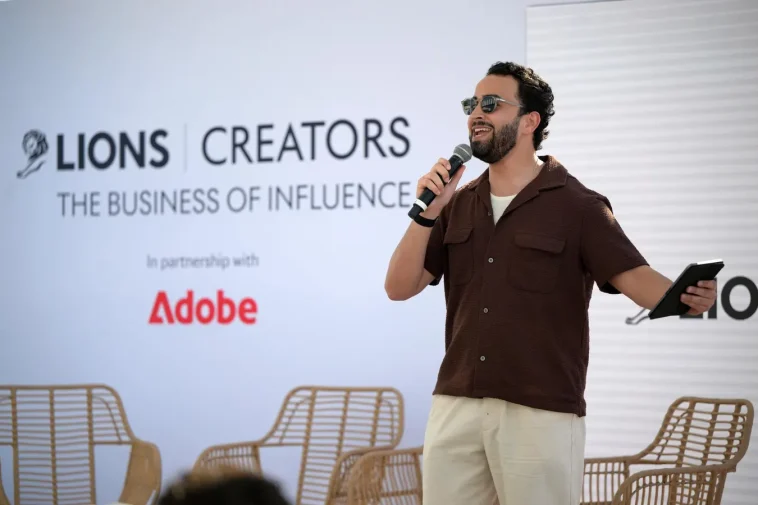
Cannes Lions 2026: The Creator Economy’s Unmistakable Ascent
CANNES, FRANCE – A week after the curtain fell on Cannes Lions 2026, the industry is sifting through the lingering buzz, distinguishing genuine paradigm shifts from mere fleeting trends. What emerged with crystal clarity was the undeniable elevation of the creator economy, a force that has demonstrably moved from the periphery to the very heart of global marketing and entertainment. While in previous years, creator activations were relegated to satellite venues, this year witnessed their powerful presence on the main stage, from the bustling Palais Beach to prominent brand activations across the Croisette.
The sheer scale of creator involvement underscores this transformation. Over 250 creators participated in official festival programming, marking an unprecedented attendance in Cannes Lions history. The dedicated LIONS Creators track, in collaboration with Adobe, was no longer an adjunct, but a core component of the main festival footprint. This visible shift, however, merely scratches the surface of deeper, more profound changes that unfolded simultaneously.
Platforms Pivot to Prioritize Creator Content
The week in Cannes illuminated a critical strategic realignment among major technology platforms: a concerted effort to rebuild their ecosystems around creator content. Amazon, for instance, unveiled its Fire TV Creator Hub from its yacht, a new interface segment designed to prominently feature YouTube and TikTok videos alongside podcasts. Launched with over 120 creators, Amazon’s ambitious goal of reaching 500 by 2027 signals a significant investment in this content vertical.
Concurrently, Instagram confirmed its testing of a widescreen mode, optimized for television viewing, and began experimenting with longer, episodic content formats. This parallel evolution is both perplexing and illuminating. A connected-TV product is adopting the dynamism of a social feed, while a social platform seeks the immersive storytelling capabilities of television. This convergence blurs traditional boundaries between streamers, social platforms, and CTV interfaces, all aggressively competing for the same valuable commodity: authentic, engaging creator output. For creators, this intensifying demand across multiple screens is not a threat but an unprecedented opportunity to expand reach and revenue.
Brand Partnerships Evolve into Strategic Media Buys
The nature of brand-creator collaborations experienced a fundamental upgrade at Cannes. No longer positioned as a budget-friendly alternative to traditional advertising, creator partnerships are now being budgeted and managed with the strategic rigor of mainstream media deals. Meta reported that its partnership ads, which empower brands to convert creator content directly into paid media, achieved a remarkable $10 billion revenue run rate in Q1 2026—more than double the previous year.
This professionalization was further evidenced by the proliferation of specialized marketplaces. LinkedIn launched its inaugural Creator Marketplace, Meta integrated its own marketplace with its partnership ads hub, and TikTok rolled out custom creator networks, enabling brands to curate and brief talent pools directly. These initiatives signify a move beyond experimental campaigns. Brands are now investing in permanent infrastructure to acquire creator content at scale, integrating it seamlessly into their overarching media strategies.
Institutional Capital Invests in Ownership, Not Just Sponsorship
Perhaps the most compelling indicator of the creator economy’s maturity was the influx of institutional capital, seeking outright ownership rather than mere sponsorship. On June 8, Accenture announced its acquisition of Whalar, a leading creator agency, into Accenture Song. Whalar’s leadership hailed this as the largest creator economy transaction to date. Just two days prior, CAA and TPG’s Integrated Media Company established Compound Creative Holdings, a substantial $250 million vehicle specifically designed to acquire and operate creator-led media businesses across platforms like YouTube, TikTok, Instagram, Spotify, and Substack.
These significant deals, while not requiring the glitz of the Croisette, landed strategically during Cannes. They underscore a profound shift: consulting giants and private equity firms now view creator businesses as valuable assets worthy of direct acquisition and long-term investment, signaling a robust and enduring confidence in the sector’s financial viability and future growth potential.
The Paradox of Trust in a Rapidly Evolving Landscape
Despite the fervent celebration of creative tools and technological advancements, a discernible tension around trust and integrity permeated Cannes. Award entries for Cannes Lions 2026 experienced a 25% year-over-year decline, falling to approximately 20,050 from 26,900. This reduction followed the festival’s introduction of stricter Awards Integrity Standards, a direct response to a previous scandal involving agencies fabricating results with AI. It’s a striking paradox: an industry enthusiastically embracing AI creative tools simultaneously grappling with the need for new rules to prevent their misuse and ensure authenticity.
Another manifestation of this tension was observed in the evolving dynamics of content distribution. Jay Shetty’s popular video podcast, for example, secured an exclusive deal with Netflix and Spotify, reportedly worth up to $100 million, leading to the cessation of full-episode uploads to YouTube. While platforms often seek exclusivity to drive subscriptions and engagement, many creators still prioritize broad reach to maintain and grow their audience. This ongoing negotiation between platform-driven exclusivity and creator-desired ubiquity highlights the complex commercial decisions facing talent in this new landscape.
The Enduring Power of Creators
Having spent years building and operating creator-centric businesses, this year’s Cannes Lions presented a unique convergence: the tangible financial commitment finally matched the immense hype surrounding the creator economy. The shifts observed—platforms re-architecting for creators, brands integrating creator content into core media plans, and institutional capital making significant acquisitions—are not isolated incidents but interconnected indicators of a maturing, powerful industry. The creator economy is no longer just a buzzword; it is a foundational pillar of modern media and marketing, poised for continued exponential growth and innovation.
#TrendingNow #Innovation #TechLife #FutureIsHere #DailyInspiration #MotivationMonday #SuccessMindset #GameChanger #DigitalNomad #CreativeCommunity #ExplorePage #GoodVibes
Artificial Intelligence, Generative AI, Cloud