Amazon’s Texas Data Center: A Climate Contradiction in the Age of AI
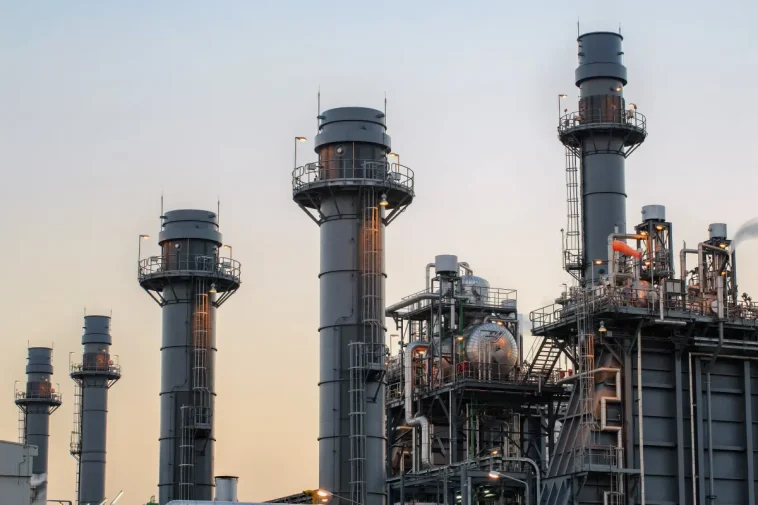
A planned Amazon data center in Pecos County, Texas, is poised to become a flashpoint in the ongoing debate between technological advancement and environmental responsibility. Central to this development is an on-site natural gas power plant, which, according to a recent report by The New York Times, could emerge as the single largest source of climate pollution in the United States. This revelation casts a stark shadow over Amazon’s ambitious climate commitments and signals a growing tension within the tech industry’s rapid expansion.
Unprecedented Emissions on the Horizon
The sheer scale of the proposed power plant’s emissions is alarming. Permitted to release an astounding 33 million tons of carbon dioxide annually, it would surpass any other power facility currently operating in the U.S. Such a significant surge in greenhouse gas output directly contradicts global efforts to curb climate change and raises serious questions about the feasibility of decarbonization when confronted with the energy demands of modern digital infrastructure.
This move underscores a critical dilemma: as the digital economy expands, particularly with the explosive growth of artificial intelligence, the energy required to power data centers escalates dramatically. The decision to rely on a large-scale natural gas plant suggests that immediate energy security and cost stability are being prioritized, potentially at a significant environmental cost.
AI’s Growing Carbon Footprint
Artificial intelligence is a transformative technology, but its increasing computational demands are translating into a substantial environmental toll. Amazon’s own sustainability reports highlight this trend, with the company’s carbon emissions rising by 16% last year. This increase moves the company further away from its stated goal of eliminating carbon emissions by 2040, a pledge Amazon co-founded.
The direct link between AI adoption and escalating energy consumption is becoming undeniable. As tech giants like Amazon invest heavily in AI capabilities, the demand for stable, high-capacity power sources intensifies. This often pushes companies toward readily available fossil fuel solutions, creating a challenging paradox for an industry that often positions itself at the forefront of innovation and progress.
Reconciling Pledges with Reality
In response to public scrutiny, an Amazon spokesperson confirmed the data center would be “powered by new on-site generation that won’t raise electricity costs for Texas families.” This statement points to the complex interplay of economic factors, political pressures, and environmental goals. Data centers already face increasing opposition due to concerns over their impact on local power grids and electricity prices.
However, the company’s acknowledgement that “The world looks different now than when we co-founded the climate pledge,” while simultaneously insisting “Our commitment hasn’t changed,” reveals a pragmatic, perhaps defensive, shift in strategy. It highlights the difficult tightrope walk companies face when balancing rapid technological advancement and profitability with long-term sustainability objectives.
Future Implications for Tech and Energy
This development in Pecos County could set a concerning precedent for how the tech industry fuels its future growth. While natural gas is often touted as a “bridge fuel” in the energy transition, relying on a facility of this magnitude suggests a longer-term dependence rather than a temporary measure. This could delay or even undermine the transition to truly renewable energy sources for data centers.
The incident also invites greater regulatory scrutiny on the energy sourcing for hyperscale data centers. Policymakers and environmental advocates may increasingly push for more stringent requirements on emissions and a clearer pathway to fully renewable operations. The industry, and particularly its leaders, must confront how to reconcile the insatiable energy appetite of AI and digital services with genuine environmental stewardship, or risk a significant backlash from an increasingly climate-conscious public.
#EngagementBoost #TrendingNow #SocialMediaTips #MarketingStrategy #ContentCreation #DigitalMarketing #AudienceEngagement #CommunityBuilding #ViralContent #InstaTips #GrowthHacks #OnlineSuccess
Artificial Intelligence, Generative AI, Cloud